





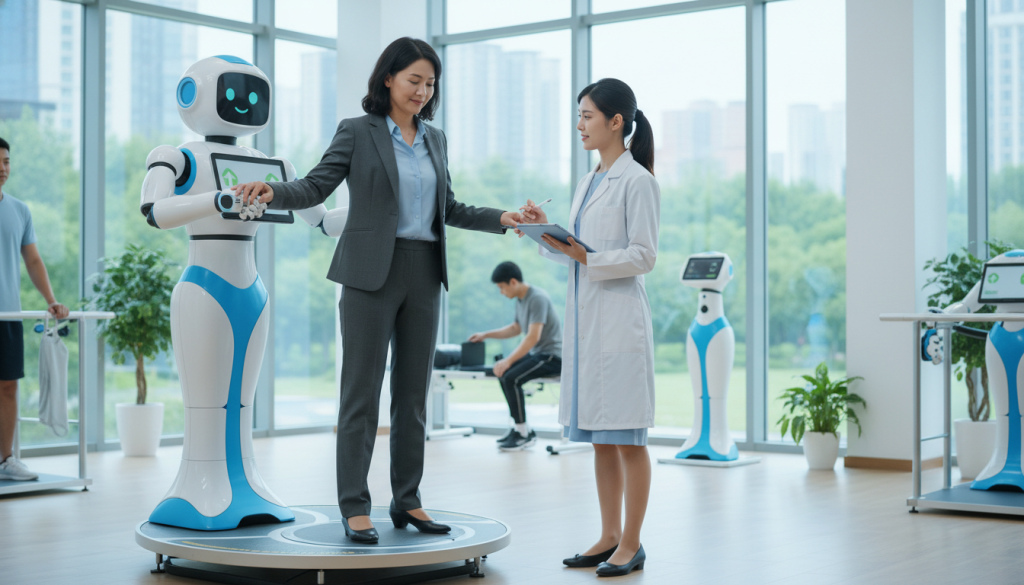
Finding the right path to recovery means understanding the treatments available today. For those with mobility issues, getting the right balance support is key. Our medical centers focus on this by using proven methods in every treatment.
We think innovation is the way to help people regain their independence. Our teams use cutting-edge robotic rehabilitation systems for precise, data-driven care. These tools help us track progress accurately and keep patients safe.
Seeing these medical advances as a cornerstone of recovery is important. We aim to create a supportive space where technology and care meet. Together, we can help your loved ones achieve better stability and quality of life.
Key Takeaways
- Balance therapy is a critical component of long-term mobility and patient independence.
- Advanced technology allows for more precise and effective clinical interventions.
- Institutional commitment ensures that every patient receives world-class, evidence-based care.
- Robotic-assisted systems provide data-driven insights to track recovery progress accurately.
- Families play an essential role in supporting the patient’s journey through specialized medical programs.
The Evolution of Balance Treatment
The world of physical rehabilitation has changed a lot. It now focuses on specialized, evidence-based care. Before, doctors used manual techniques that were hard to measure. Now, balance treatment uses data-backed methods for better patient results.
This change shows a big push for better care and using new technology. By moving to more precise methods, medical centers can train patients better. Families can trust that modern care aims to reduce mistakes and boost recovery chances.
Today, clinics use advanced robotics for safer, more effective sessions. For example, Lokomat therapy offers intense training that was hard to do by hand. This ensures patients get top-notch care, no matter who their therapist is.
| Feature | Traditional Manual Therapy | Modern Robotic-Assisted Care |
|---|---|---|
| Data Collection | Subjective observation | Real-time digital metrics |
| Consistency | Variable based on practitioner | Standardized, repeatable cycles |
| Primary Focus | General mobility | Precision balance treatment |
| Intensity | Limited by therapist fatigue | High-intensity, sustained effort |
Knowing how care has evolved helps families see the scientific rigor in today’s rehab programs. By picking places with these advanced tools, patients get care that’s both reliable and effective. This focus on new ideas is key to modern, lasting healthcare.
Understanding Robotic Rehabilitation
High-acuity medical environments are now using robotic rehabilitation to help patients recover better. This technology offers precise, data-driven movement. It goes beyond traditional methods, helping patients with complex mobility issues.
The main benefit is the repetitive, high-intensity training it provides. This is something manual therapy can’t match. Robots help ensure every movement is consistent and measured. This precision is key for neuromuscular re-education.
With robotic rehabilitation, medical centers can track patient progress accurately. These systems collect detailed data during each session. This lets the care team adjust therapy to meet the patient’s changing needs.
This approach makes therapy both challenging and safe. It helps patients recover in a measurable and sustainable way.
The use of robotic rehabilitation shows a commitment to top-notch patient care. It combines human skill with robotics’ endless endurance. This is the best way to help patients with major neurological or physical issues.
Identifying Candidates for Advanced Therapy
Our teams use strict standards to find the best patients for advanced treatments. We start with a comprehensive physiological assessment. This makes sure the treatment fits the patient’s health perfectly.
We look at each patient’s needs to find the best way to help them. It’s not just about the tech; it’s about precision medicine. We match the therapy’s intensity with the patient’s safety needs.
Experts like neurologists and physical therapists decide who gets the therapy. They check mobility and physical limits together. This collaborative approach helps us create a personalized plan for each patient.
The table below shows what our teams check to see if a patient is right for advanced therapy.
| Evaluation Category | Primary Focus | Clinical Goal |
|---|---|---|
| Physiological Status | Cardiovascular and muscular stability | Ensure safety during high-intensity sessions |
| Functional Mobility | Range of motion and gait analysis | Identify specific areas for mechanical support |
| Cognitive Readiness | Patient engagement and focus levels | Maximize the efficacy of neuro-rehabilitation |
| Recovery Potencial | Baseline strength and neurological response | Set realistic and achievable milestones |
We keep high standards to make sure our efforts help those who need it most. Our goal is to give each patient a treatment that fits their unique needs. We aim to help patients regain their independence with innovative solutions.
The Role of Medical Technology in Gait Training
Advanced medical technology is key in today’s gait training programs. It helps patients regain their independence. This innovative approach ensures each step is safe and effective.
Modern medical technology offers real-time feedback. Sensors in robotic devices track how well a patient moves. This helps therapists adjust plans to fit each patient’s needs.
For those with complex walking issues, these tools are vital. They help track progress and tailor the recovery. As robotic knee replacements become more common, high-tech rehab is more important than ever.
The table below shows how modern tech differs from old methods:
| Feature | Traditional Therapy | High-Tech Gait Training |
|---|---|---|
| Feedback Mechanism | Manual observation | Real-time sensor data |
| Mechanical Support | Limited/Manual | Automated robotic assistance |
| Alignment Accuracy | Subjective assessment | Objective biomechanical tracking |
| Recovery Monitoring | Periodic evaluations | Continuous data logging |
Evaluating Leading Rehabilitation Centers
Finding a top-notch rehabilitation center needs a careful look at medical skills and setup. Families should look for places that put patient safety and care first. Choosing the right facility is key to keeping care on track and effective.
Start by checking if the center is accredited. Good centers meet high standards checked by outside health groups. These marks show the care quality for all patients.

It’s also important to see if the center has the right medical team. A top rehabilitation center has teams with neurologists, physical therapists, and nurses. They work together to help with brain health recovery, covering all recovery needs.
Modern centers also need the latest tech for recovery. Tools like robotic devices and digital monitoring make care better. Advanced technology helps make therapy more effective, helping patients move better.
Lastly, find a rehabilitation center that fits your family’s needs. Do your homework and ask about staff and equipment. Confidence in your choice is the base for a good recovery.
Preparing the Patient for Robot Assisted Therapy
Starting a successful rehabilitation journey is more than just the first session of robot assisted therapy. Our teams do a thorough medical check-up to make sure patients are ready for the therapy. This check-up finds out what mobility needs each patient has and sets a starting point for progress.
Good communication is key for a successful recovery. We ask families to talk openly with our therapists. This helps everyone understand what to expect and can solve any worries early. Active participation from the patient and their loved ones makes the treatment more effective.
Being mentally ready is as important as being physically stable when starting advanced care. Patients who know what they’re working towards in robot assisted therapy tend to be more involved and motivated. Our team makes sure everyone knows what to expect and feels supported.
| Preparation Phase | Primary Objective | Key Stakeholder |
|---|---|---|
| Medical Screening | Assess physical baseline | Clinical Team |
| Goal Alignment | Define recovery targets | Patient & Family |
| Equipment Orientation | Ensure comfort with technology | Robot Assisted Therapy Staff |
| Communication Setup | Establish feedback loops | Multidisciplinary Team |
Navigating the Physical Therapy Assessment Process
Our clinical teams use standardized metrics to set a baseline for everyone in our programs. This rigorous evaluation process makes sure each patient gets a care plan that fits their needs. We track progress by knowing where they start in their physical therapy journey.
At the first meeting, specialists do tests to check strength, balance, and coordination. These tests help us create a gait training plan that meets each person’s unique needs. We use data to make sure every step in recovery is based on solid evidence.
We use advanced technology to get detailed data during physical therapy sessions. This method gives us a full picture of what patients can do. It helps them reach their goals with more confidence and institutional support.
Good gait training needs to understand biomechanics and the patient’s history. Our experts use this info to plan for long-term success. Below is a table showing the main metrics we watch to keep care at the highest level.
| Assessment Metric | Clinical Purpose | Expected Outcome |
|---|---|---|
| Range of Motion | Joint flexibility analysis | Improved limb mobility |
| Balance Stability | Fall risk reduction | Enhanced postural control |
| Gait Velocity | Walking speed evaluation | Increased functional independence |
| Muscle Strength | Force production capacity | Greater physical endurance |
Setting Realistic Expectations for Stroke Recovery
Recovering from a stroke requires setting realistic, evidence-based goals. Stroke recovery is different for everyone. Our doctors say it’s about making steady, lasting progress, not just how fast.
Our care teams work with families to set goals that match the patient’s needs. We use specific data to define success for each person. This way, goals are both challenging and reachable.
It’s important to keep a balanced view of stroke recovery. Knowing the facts about their condition helps patients and families. This builds trust with the medical team.
Setting realistic goals boosts patient motivation. Celebrating small wins keeps the focus on progress. Our team supports every step in the stroke recovery journey with evidence-based care.
The Psychological Impact of Movement Therapy
Recovery is not just about getting stronger physically. It also means changing how we think. Physical therapy helps with motor skills, but the emotional side is just as important.
Using movement therapy can really help the mind heal. When patients do things they thought were impossible, they feel more confident and capable.
Our team knows that getting better is not always easy. We add emotional support to physical therapy to help patients feel strong, not scared.
This way of treating patients tackles the worries and anger that come with losing mobility. Regular movement therapy helps patients feel in control, which is key for their mental health and happiness.
| Therapy Feature | Traditional Approach | High-Tech Integration |
|---|---|---|
| Patient Autonomy | Limited | High |
| Emotional Support | Secondary | Fundamental |
| Recovery Motivation | Variable | Consistent |
| Data Feedback | Manual | Real-time |
We’re dedicated to creating sustainable healthcare solutions that focus on the person, not just the illness. By using the latest technology and caring for each patient, we help them take back their lives with pride and hope.
Integrating Home Care with Clinical Balance Treatment
The success of any balance treatment plan depends on consistency outside the clinic. Medical facilities lay the groundwork, but home is where habits are formed. Consistency is key for lasting progress for every patient.

Families play a big role in a patient’s journey to better balance. By making the home safer, like removing tripping hazards, they help a lot. These changes protect the clinical gains made in therapy.
Keeping up with an exercise routine is essential for balance treatment success. Patients should do the exercises they learned in therapy to improve muscle memory. Practicing at home boosts the rehabilitation’s results.
Combining professional advice with home care helps patients become independent again. By sticking to these routines, families help patients smoothly transition from therapy to daily life. This teamwork makes recovery steady and effective for the long haul.
Financial Considerations and Insurance Coverage
We are committed to making top-notch care affordable for everyone. Dealing with the costs of robot assisted therapy can be tough. We aim to make things clear so you feel supported during your recovery.
It’s wise to talk to our financial counselors early on. They can help you understand your insurance and what’s covered. This way, you’ll know what to expect and avoid surprises.
We give detailed estimates of what you might pay for treatments. We think planning ahead is key for your health. Choosing robot assisted therapy means you’re getting the latest tech to help you move and live independently.
We take pride in being open about money matters. We want to explore all payment options and support programs with you. Together, we can make sure robot assisted therapy fits into your care plan smoothly.
Monitoring Progress and Data-Driven Outcomes
Data-driven outcomes are key to improving patient mobility and independence. Our teams use advanced digital tools to track every session. This helps us keep high standards and tailor recovery plans for each patient.
Clinicians use these metrics to tweak movement therapy plans. They adjust exercises based on real-time data. This ensures each patient gets the best care for their recovery.
Keeping a close eye on patients is essential for success. Our systems track patient mobility trends. This helps spot small improvements that might be missed. Learn more about remote patient monitoring and its role in healthcare.
Our dedication to movement therapy is about seeing progress. We share clear, data-backed updates with families. This approach helps meet goals and supports lasting health outcomes for our patients.
The Importance of Multidisciplinary Care Teams
At a top rehabilitation center, a team of experts works together. They help patients regain their mobility. This team makes sure every part of recovery is covered.
Physicians, physical therapists, and support staff all play a role. They work together to create a holistic environment. This team approach is key for tackling the complex challenges of mobility issues.
Choosing a quality rehabilitation center means getting a team focused on your success. They meet often to check progress and adjust plans. This shows families their loved ones are getting the best care.
| Team Member | Primary Responsibility | Contribution to Recovery |
|---|---|---|
| Physician | Medical Oversight | Ensures clinical safety and health stability. |
| Physical Therapist | Mobility Training | Improves strength and functional movement. |
| Support Staff | Patient Advocacy | Provides emotional and logistical assistance. |
| Rehab Specialist | Technology Integration | Optimizes robotic and assistive device use. |
Addressing Safety Concerns in High-Tech Environments
When patients use advanced medical technology, we follow strict safety rules. This ensures their safety at every step. We see safety as the top priority, making our rehabilitation activities safe for everyone. We believe that clinical excellence comes from making patients feel safe in our facilities.
We always follow healthcare rules. We stick to national and international standards for all our robotic and diagnostic systems. This helps us avoid risks and keeps all medical technology working well.
We focus a lot on keeping our equipment in top shape. Our tech teams check and test our robotic devices every day. This meticulous attention to detail stops mechanical problems and keeps therapy sessions running smoothly.
Families can trust our safety plan. We add extra safety features to our systems for extra protection. Here’s a table showing the main parts of our safety and upkeep program:
| Safety Protocol | Frequency | Objective |
|---|---|---|
| System Calibration | Daily | Ensure precision in movement |
| Regulatory Audit | Quarterly | Maintain compliance standards |
| Equipment Inspection | Weekly | Verify structural integrity |
| Emergency Override Test | Monthly | Guarantee immediate shutdown |
We aim for the highest standards in our work. This way, we create a place where new ideas meet strong security. Our commitment to medical technology upkeep means every patient gets top-notch care in a safe, professional setting.
Long-Term Maintenance of Patient Mobility
The journey to lasting health doesn’t end after intensive rehab. Our advanced programs lay the groundwork for recovery. But, keeping up patient mobility long-term depends on using learned skills at home. We’re dedicated to helping everyone keep their progress through lasting habits.
Regular physical activity is key in this transition. Patients are urged to add specific exercises to their daily routine. This helps prevent muscle loss and keeps joints flexible. Consistency is the most vital factor in stopping progress from slipping back.
Regular check-ups are important for tracking health over time. These visits help our teams spot small changes early. This way, we can manage any issues and protect patient mobility. It helps our community members stay independent.
We offer lots of help to families during this recovery phase. We think empowerment through education is the best way to achieve lasting success. Together, we make sure patients smoothly transition back to their daily lives.
Empowering Families for Sustainable Health Outcomes
Active family participation is key to successful stroke recovery. When loved ones work with clinical teams, patients get the emotional support they need. This support helps them through the complex rehabilitation journey.
We are committed to a future where technology and care work together. We focus on these partnerships to make sure every patient gets the help they need. This ensures they get the best care during their healing.
We aim to create a healthier, more sustainable future for our patients and their families. By using new medical tools and caring oversight, we help improve mobility and independence. This leads to lasting changes in their lives.
Get in touch with our patient advocacy team to see how your family can join our programs. Together, we can make significant strides in stroke recovery and long-term health.
FAQ
Q: Why is it essential to seek balance training therapy at a leading medical center?
A: Top medical centers offer advanced care and technology not found elsewhere. They have a structured environment for robotic therapy and expert care. This ensures a thorough recovery plan for patients.
We focus on excellence, making sure every patient gets top-notch care. This care meets international standards.
Q: How has balance treatment evolved from traditional methods to modern standards?
A: Balance treatment has moved from old methods to new, evidence-based ones. Old ways relied on guesswork, but now we use precise systems. This change lets our teams give more accurate help based on proven methods.
Q: What technical advantages does robotic rehabilitation offer over manual therapy?
A: Robotic therapy, like the Hocoma Lokomat, offers intense, repetitive training. This is more than manual therapy can do. It lets patients with big mobility issues do the needed exercises for recovery.
Q: How do clinicians identify the ideal candidates for advanced movement therapy?
A: Doctors check if a patient is right for advanced therapy through a detailed assessment. They look at the patient’s needs, brain health, and safety. This makes sure therapy fits the patient’s goals and abilities.
Q: What role does medical technology play in modern gait training?
A: Medical tech helps train walking by giving real-time feedback. Tools like the AlterG Treadmill help adjust walking during therapy. This ensures better walking and posture for patients.
Q: What criteria should families use when evaluating a rehabilitation center?
A: Look for places with CARF accreditation and board-certified doctors. Check if they have the latest tech and focus on safety. Choosing a place with a good track record ensures quality care.
Q: How should a patient prepare for their first robot assisted therapy session?
A: Start with a thorough medical check to make sure you’re ready. Talk openly with your team to set goals. This helps make the most of robot therapy and keeps you supported.
Q: What can we expect during the physical therapy assessment process?
A: Assessments at top centers are detailed and use standard metrics. Doctors look at strength, range of motion, and coordination. This data helps tailor therapy to each patient’s needs.
Q: How are realistic expectations established for stroke recovery?
A: Recovering from a stroke is complex and takes time. We work with families to set realistic goals based on the patient’s brain health. Celebrating small wins helps keep patients motivated on their long journey to recovery.
Q: What is the psychological impact of intensive movement therapy?
A: Intensive therapy can greatly improve mental health and quality of life. It gives patients a sense of control and reduces the emotional burden of disability. We focus on emotional support to help with physical recovery.
Q: How can families integrate home care with clinical balance treatment?
A: To keep up with therapy gains, families need to keep up exercises and safety at home. We teach families to support their loved ones at home. This teamwork is key to lasting success.
Q: What are the primary financial considerations for robot assisted therapy?
A: Understanding insurance for advanced tech can be tricky. We help families figure out costs early on. Being open about money is part of our care commitment.
Q: How does the institution monitor progress and ensure data-driven outcomes?
A: We use digital tools to track patient progress in real-time. This lets us adjust therapy based on actual results. Our focus on data ensures every session is effective for recovery.
Q: Why is a multidisciplinary care team vital for recovery?
A: Patients need a team approach for full health care. Our teams include doctors, therapists, and tech experts. They work together to tackle all health challenges and ensure no area is missed.
Q: How are safety concerns addressed in high-tech medical environments?
A: Safety is our top concern. We maintain and follow strict rules for all tech. Our spaces are designed for safety, with constant supervision. This gives families peace of mind during therapy.
Q: What is required for the long-term maintenance of patient mobility?
A: Keeping mobility up requires ongoing activity and check-ups. After therapy, we help patients stay on track. We support them for life to keep mobility going.
Q: How does family involvement lead to sustainable health outcomes?
A: Family support is key for lasting health. When families are involved, patients are more likely to succeed. We aim to use tech and care together to help families and improve lives.