






Modern healthcare technology has changed how we view sleep health. Getting a sleep disorder diagnosis is a big step for many families. It’s the start of a transformative journey.
We think it’s key to aim for more than just easing symptoms. Long-term wellness is what we’re after. By using longevity medicine, we help families build a strong foundation for health.
Knowing your sleep patterns helps us give you care that fits you perfectly. We use the latest tools to help families. With longevity medicine, your family can look forward to a future full of health and energy.
Key Takeaways
- Advanced diagnostics provide a clear roadmap for effective sleep disorder management.
- Proactive health strategies move families beyond temporary symptomatic relief.
- Restorative sleep serves as a critical foundation for overall physical and mental vitality.
- Modern technology enables personalized care plans tailored to individual family needs.
- Institutional commitment ensures long-term support for sustainable wellness goals.
The Evolution of Sleep Diagnostics in the Modern Era
The world of sleep medicine has changed a lot in the last ten years. Doctors used to just look at patients to understand sleep. Now, we use advanced data analysis to get a clear picture of how we rest.
This new way helps us find health problems more accurately. It’s a precise approach to diagnosing issues.
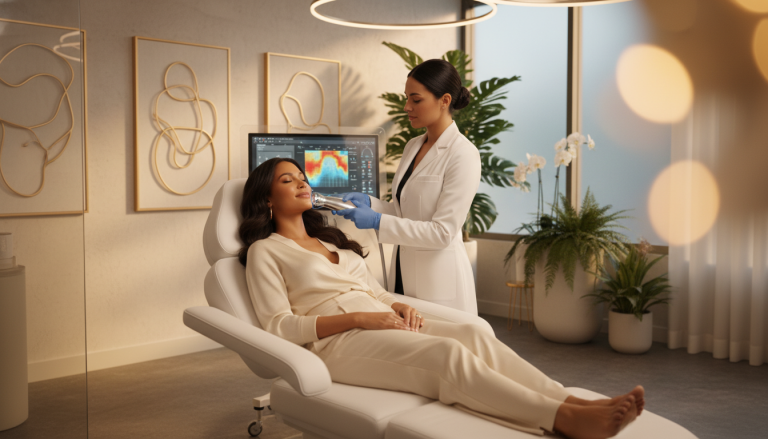
Today’s sleep treatment uses high-tech sensors to track important body signs. These sensors watch heart rate, oxygen levels, and brain activity all night. They help doctors spot small problems that were hard to see before.
This new technology is all about personal care. Families want the best for their health, and many look into celebrity longevity clinics to live longer. Advanced diagnostics make sure treatments fit each person’s needs.
Modern diagnostic tools make patients feel safe and informed. They help us find and fix sleep problems at their source. This focus on sleep treatment is shaping the future of health care for families everywhere.
Understanding the Intersection of Sleep Health and Longevity Medicine
The link between good sleep and long life is key in longevity medicine. Sleep is not just rest; it’s when our bodies fix themselves. This is when we stay healthy and strong.
Adding sleep care to preventive medicine helps families stay healthy for years. Good sleep helps our cells fix themselves and fight aging. Choosing to sleep well is a smart health move.
Sleep fights off inflammation and stress in our bodies. Longevity medicine says good sleep helps our cells recover. This makes us healthier over time.
Seeing sleep as part of preventive medicine is smart. Good sleep habits and early checks keep us strong. Good sleep helps us face aging better.
Advanced Imaging and Diagnostic Tools for Sleep-Related Issues
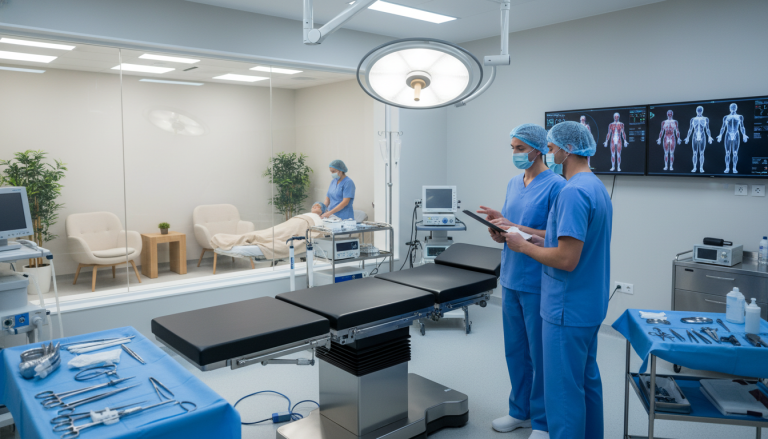
Advanced imaging technology gives us a clear look at the parts of our body that affect our sleep. Doctors use top-notch equipment to see inside us. This institutional commitment to detail means every patient gets a full check-up.
High-resolution MRI screening is key in finding the causes of sleep problems. These detailed pictures help doctors spot small blockages or tissue issues. This lets them create plans that really work for each family member.
A full body scan gives a complete view of how our body’s structure affects breathing at night. This method looks beyond just symptoms to find the real issues. Knowing the whole story helps us give superior diagnostic outcomes for better health.
Using these advanced tools helps doctors make plans based on real data. They move from one-size-fits-all treatments to tailored recovery plans. This big change helps families get the sleep they need for health and happiness.
Metabolic Screening and Its Connection to Restorative Sleep
Modern medicine shows us that good sleep depends on our body’s metabolic health. When our energy systems are off balance, it’s hard to sleep well. Metabolic screening helps doctors find the small problems that stop us from resting.
These tests check our hormone levels and inflammation. Doctors use this info to understand why we can’t sleep right. This way, they can make treatments that really work for us.
Experts also use a full body scan for a complete check-up. This tech lets doctors see inside us and find problems that cause night-time stress. This helps us find the real reasons for sleep problems, not just the symptoms.
People wanting to know more about their health might try a metabolic exercise stress test. It connects exercise to how our body recovers. By using a full body scan and metabolic screening, we make sure we check everything about your health.
This way of working is essential for staying healthy long-term. By fixing metabolic problems, we help families sleep better and live better. We’re all about making sure every test helps you stay healthy for the future.
Preventive Healthcare Strategies for Families Post-Diagnosis
Managing health proactively is key for families after a sleep disorder diagnosis. By adding preventive healthcare to daily life, families can improve their health over time. This means watching health closely and managing it at home.
Making lifestyle changes is the main support for any treatment plan. Families should focus on circadian rhythm alignment and better nutrition. These steps help the body heal naturally and lower the risk of other health problems.
Our institution stresses the importance of ongoing learning. Knowing how sleep affects the body helps family members make better choices. Using preventive healthcare is a long-term plan for health, not just a quick fix.
| Strategy | Primary Benefit | Implementation Frequency |
|---|---|---|
| Sleep Hygiene Audits | Environmental Optimization | Monthly |
| Metabolic Tracking | Early Risk Detection | Quarterly |
| Clinical Consultations | Treatment Calibration | Bi-Annually |
Creating a proactive family environment needs clear talk and teamwork. By keeping health in check, families can catch and fix any health issues fast. This focus on preventive healthcare helps families regain their quality of life and build a strong foundation for wellness.
The Role of a Longevity Clinic in Personalized Sleep Recovery
Modern sleep recovery needs a special place, like a longevity clinic. These places do more than just check for problems. They use a multidisciplinary approach to look at all parts of a patient’s health.
Experts from different fields work together here. They make sure every part of a patient’s sleep is looked at and fixed.
The use of longevity medicine changes how sleep is seen. It’s not just for rest; it’s key for staying healthy over time. This field looks at how the body heals during sleep.
By using the latest science, these teams make plans that really work. They’re made just for each person.
A longevity clinic uses the latest tech to track how patients are doing. They watch things like how the body works, hormones, and brain activity. They also look at how a person lives.
This info helps make plans that fit each person’s body perfectly. It’s all about using science to help people sleep better.
This focus on evidence-based care means patients get plans that really help. It’s a mix of sleep science and longevity medicine. Patients get care that’s both top-notch and personal.
Biohacking Health: Safe Innovations for Better Sleep Hygiene
Adding biohacking health to your family’s wellness plan is about finding the right mix of new ideas and safety. It’s not about extreme experiments, but using science and tech to boost how our bodies work. For families, this means picking habits that help our bodies follow natural sleep patterns.
It’s key to know the difference between new ideas that work and those that don’t. Many products claim quick fixes, but only those backed by science really help. Families should look for measurable outcomes when choosing tools to better their sleep.
Using biohacking health methods needs to be done with a doctor’s watchful eye. A doctor can tell if certain methods, like light therapy or adjusting the room’s temperature, are right for your family. This way, new ideas help, not hurt, your health.
The table below shows how to improve sleep, based on science and what works at home.
| Method | Primary Benefit | Evidence Level |
|---|---|---|
| Blue Light Blocking | Melatonin Regulation | High |
| Temperature Control | Deep Sleep Induction | High |
| Circadian Entrainment | Sleep-Wake Consistency | Moderate |
| Supplementation | Neurotransmitter Support | Variable |
By focusing on safety and clinical validation, families can use modern tools to boost their energy. Seeing biohacking health as a serious practice helps families take charge of their health. The goal is to make your home a place where technology helps you get better sleep.
Corporate Wellness Programs and the Impact on Family Sleep
When companies focus on their employees’ sleep, they create a culture of vitality that helps families too. Today’s corporate wellness programs see how sleep affects work and home life. They help reduce stress that can affect families.
Good health management knows that sleep issues affect everyone. When parents get help at work, the whole family feels less stressed and more stable. This support leads to better sleep, more productivity, and a happier home.

Smart companies now include sleep benefits in their corporate wellness plans. These programs offer tools, expert advice, and learning resources. They help families take care of their health and support their work success.
| Program Feature | Traditional Wellness | Modern Sleep-Inclusive Wellness |
|---|---|---|
| Primary Focus | Physical Fitness | Holistic Restorative Health |
| Family Impact | Limited | High (Shared Benefits) |
| Diagnostic Access | None | Integrated Sleep Screening |
| Outcome Goal | Weight Management | Long-term Vitality |
Adding sleep health to corporate wellness is a big step forward. It shows a caring and effective way to help people. By supporting employees’ basic needs, companies build a stronger, healthier future for everyone. Sustainable health starts with seeing rest as essential for doing our best.
Navigating the Psychological Aspects of Sleep Disorder Healing
Modern sleep treatment now includes addressing a patient’s emotional state. Getting a diagnosis for a sleep disorder can make people feel anxious, frustrated, and unsure. Our team focuses on these feelings to support patients on their healing path.
The link between mental health and sleep is strong. Lack of sleep can make stress worse, and stress can stop us from sleeping well. Our doctors treat both the physical and emotional sides of sleep disorders.
Good sleep treatment needs to help with both mind and emotions. We use proven methods to help patients deal with stress and follow treatment plans. This helps their mental health, which is key for lasting progress.
Here’s a table showing the key ways we support patients’ minds:
| Support Strategy | Primary Goal | Expected Outcome |
|---|---|---|
| Cognitive Behavioral Therapy | Address sleep-related anxiety | Improved sleep onset |
| Mindfulness Training | Reduce daily stress levels | Enhanced relaxation |
| Support Group Access | Foster community connection | Increased treatment adherence |
| Educational Workshops | Empower patient knowledge | Greater self-efficacy |
We aim to treat the whole person, not just the symptoms. By adding psychological support to every sleep treatment plan, we help families feel strong and confident. This balanced approach is at the heart of our mission for quality healthcare.
Data-Driven Decision Making in Family Health Management
Changing family wellness means moving from guessing to using data. Families can now take a proactive approach to health thanks to long-term health data. This shift is key for preventive medicine in today’s clinics.
By tracking health markers over time, families see how lifestyle changes affect their health. Monitoring sleep, metabolism, and heart rate gives them invaluable clarity. This clear data helps make health plans more focused and effective.
Advanced analytics are vital in modern family health management. By linking digital health records with wearables, families get reports that guide long-term health goals. This data-centric strategy helps parents make better choices for their family’s health.
The table below shows how using data improves health management over traditional methods.
| Metric Category | Traditional Approach | Data-Driven Approach | Impact on Preventive Medicine |
|---|---|---|---|
| Sleep Quality | Subjective reporting | Biometric tracking | High accuracy |
| Metabolic Health | Annual check-ups | Continuous monitoring | Early intervention |
| Family Wellness | Anecdotal evidence | Longitudinal analytics | Sustainable outcomes |
Using hard data builds a culture of accountability and precision. Families using these tools are ready for today’s healthcare challenges. This focus on objective data ensures health decisions lead to a stronger future.
Environmental Factors and Their Influence on Sleep Restoration
We care about our patients’ health, even outside the clinic. Getting restorative sleep needs more than just doctor visits. It also requires a home environment that helps the body heal.
Things like air quality, light, and noise can really affect sleep. Too much noise or bad air can stop the body from sleeping deeply. Circadian alignment is also important, as it depends on natural light.
We all need to make our homes better for our health. Small changes, like better air or dark curtains, can make a big difference in sleep.
We’re committed to helping families live healthier, greener lives. Sustainable design is key to modern healthcare. By living this way, we can build a stronger, healthier future.
| Environmental Factor | Impact on Sleep | Recommended Action |
|---|---|---|
| Light Exposure | Regulates Circadian Rhythm | Use blackout curtains |
| Noise Pollution | Interrupts Sleep Cycles | Install soundproofing |
| Air Quality | Affects Respiratory Health | Utilize air purifiers |
Combining doctor visits with a healthy home is key to lasting health. Proactive management of these factors lets families take charge of their health. We keep pushing for homes that support both body and mind.
Empowering Families Through Education and Early Intervention
Education is key for families dealing with sleep health today. It helps parents and kids spot early signs of sleep problems. This proactive approach changes how families sleep better and stay healthy.
Acting early is the best way to stop sleep disorders from getting worse. With the right info, families can get help fast. Adding preventive healthcare to daily life helps fix small issues before they cause big problems.

We aim to give families the tools to handle the medical world with confidence. We think informed advocacy is key for keeping families healthy for years to come. By focusing on preventive healthcare, we help families take charge of their health and look forward to better sleep.
| Focus Area | Proactive Strategy | Expected Outcome |
|---|---|---|
| Early Detection | Regular Sleep Screening | Reduced Chronic Risk |
| Family Education | Resource Accessibility | Improved Health Literacy |
| System Navigation | Institutional Support | Optimized Care Paths |
Building a Sustainable Future for Family Vitality
Modern healthcare needs a shift to proactive management for long-term wellness. We dream of a future where advanced tech and personalized care last. A dedicated longevity clinic is key in this journey to better sleep and peak health.
We promise to keep healthcare standards high for future generations. By using data and caring for each family, we ensure their well-being. This new way of managing health will last for decades.
It’s time to take charge of your family’s health. Focus on restorative sleep with tech-supported choices that match your goals. Working with a trusted longevity clinic will guide you on your path to vitality!
FAQ
Q: How has modern healthcare technology transformed the approach to sleep disorder diagnostics?
A: Modern tech has changed how we tackle sleep disorders. Now, we use high-fidelity sensors and precise sleep treatment plans. This lets us spot tiny signs of health issues.
This shift helps families understand sleep’s role in health. It’s not just about resting. It’s about keeping our bodies and minds in top shape.
Q: What is the benefit of integrating longevity medicine into family sleep health?
A: Longevity medicine sees sleep as a time for body repair, not just rest. Good sleep cycles help fix cells and slow down aging. This makes families healthier for the long run.
By focusing on these ideas, families can stay healthy and full of energy. This is thanks to preventive healthcare based on solid science.
Q: How can an MRI screening or full body scan assist in resolving sleep issues?
A: MRI screening lets doctors find out why you might not be sleeping well. It spots things like breathing problems. A full body scan gives doctors the exact info they need to make a plan just for you.
This plan tackles the real reasons you’re not sleeping right. It’s all about getting to the heart of the problem.
Q: Why is metabolic screening recommended alongside sleep diagnostics?
A: Metabolic screening shows how sleep and hormones are connected. It checks for inflammation and hormone balance. This info helps doctors create a plan that tackles both sleep and metabolism.
With this approach, a longevity clinic can help you sleep better and feel better overall.
Q: What role does a longevity clinic play in personalized sleep recovery?
A: A longevity clinic is where experts work together to make recovery plans. They use the latest tech and your health data to create a plan just for you. This ensures your sleep recovery is tailored to your needs.
It’s not a one-size-fits-all solution. It’s a custom path to wellness.
Q: Is “biohacking health” a safe approach for improving family sleep hygiene?
A: Biohacking health is safe when done right. It uses science-backed methods to improve your circadian rhythm. By choosing the right tools, families can safely improve their sleep and daily routines.
Q: How do corporate wellness programs impact the health of an employee’s family?
A: Corporate wellness programs that focus on sleep help reduce stress at home. They create a culture of health that benefits everyone. This shows that work health benefits are good for families too.
Q: What are the primary preventive healthcare strategies recommended post-diagnosis?
A: After a diagnosis, families should keep an eye on their health and make lifestyle changes. Learning about their condition helps avoid more problems. Our focus on preventive healthcare helps families stay healthy over time.
Q: How does data-driven decision-making improve family health management?
A: Tracking biometric markers and health data helps families make better choices. This data-driven approach ensures decisions are based on facts. It helps families get the most out of their healthcare.
Q: Why are environmental factors critical to the success of sleep restoration?
A: Things like air quality, light, and noise affect your sleep. Improving your home environment is key to better sleep. It’s a big part of getting your body back in balance.
Q: How does early intervention through education empower families?
A: Learning about sleep issues early helps families catch problems before they get worse. This education empowers families to take charge of their health. It helps them navigate the healthcare system and stay healthy for life.
Q: What is the long-term vision for sustainable family healthcare?
A: We aim to build a sustainable healthcare system for the future. We want to make metabolic screening and MRI screening available for all. By making smart choices today, we’ll have a world where sleep and care are key to family health tomorrow.