





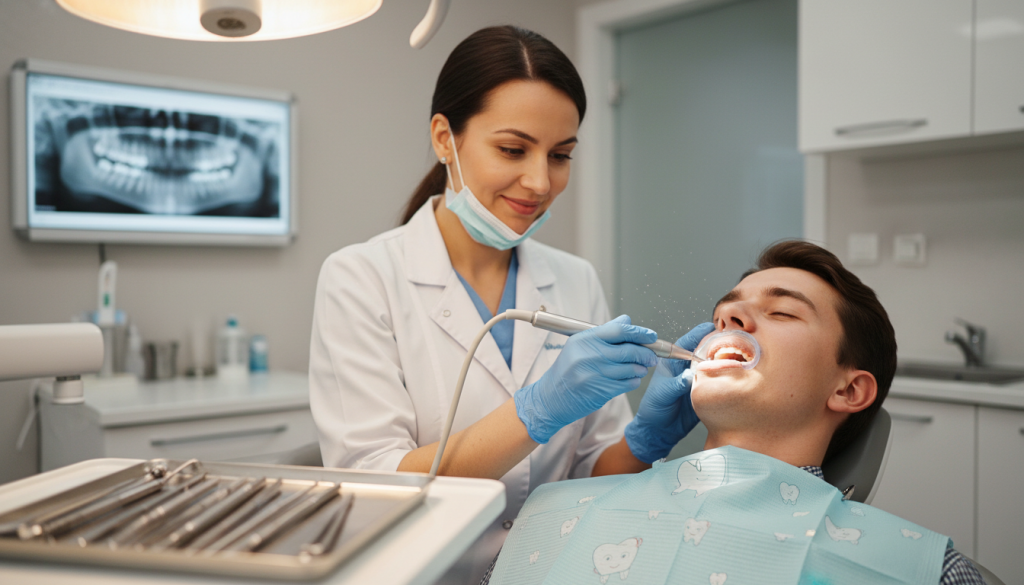
We think your mouth is the main way to your body’s health. Learning about Dental Hygiene is key to keeping your body safe and your smile bright.
By doing simple, daily habits, you can stop oral problems before they begin. We want to give you the knowledge to keep your mouth healthy for a long time. Your dedication to these habits is the base for lasting health.
Putting dental care first is a big step in taking care of yourself. Good Dental Hygiene is more than looks; it’s a medical must for your whole body’s health.
Key Takeaways
- Oral health is a key part of your overall health.
- Regular daily habits are the best way to fight off common mouth issues.
- Learning helps you make smart choices for your care.
- A healthy mouth boosts your confidence and life quality.
- Preventing problems is key to keeping your teeth and gums strong for years.
The Fundamentals of Dental Hygiene
Your mouth is like a world full of life, needing care every day. Bacteria and food particles mix to form a sticky film called biofilm, or plaque. If not cleaned, it can cause big problems for your oral health.
Being consistent is key to good Dental Hygiene. Regular cleaning removes biofilm, stopping harmful buildup. This simple habit keeps your mouth clean and healthy.
Knowing these basics shows why regular care is so important. It’s not just for a nice smile. Good Dental Hygiene also helps your whole body stay healthy. Taking care of your oral health supports your body’s health.
See your daily routine as a way to fight off future problems. By following these basic steps, you control your oral health for the long run. Regular Dental Hygiene is the best way to keep your mouth healthy for years.
Essential Tools for Daily Teeth Cleaning
We believe a radiant smile starts with the right tools every day. High-quality equipment is key for dental care at home. The right tools make your routine safe and efficient.
Choosing the right toothbrush is important. We suggest soft-bristled brushes to protect your gums and teeth. A comfortable brush head helps clean hard-to-reach areas well.
The toothpaste you pick is also vital. A fluoride-based formula helps strengthen your teeth. Using these tools regularly improves your oral health over time.
We’ve made a table to help you compare toothbrush features. Knowing these differences helps you choose the best for your needs.
| Brush Type | Bristle Texture | Best For |
|---|---|---|
| Manual Soft | Gentle | Sensitive Gums |
| Electric | Varies | Plaque Removal |
| Compact Head | Soft/Medium | Hard-to-reach areas |
| Interdental | Fine | Between teeth |
Your dental needs might call for special tools. Always talk to your dentist to find the best fit for you.
Mastering Proper Brushing Techniques
Many people brush their teeth every day, but few do it right. Brushing often is key, but how you brush matters more. It’s not just about scrubbing; it’s about the angle to remove plaque without harming your gums.
The modified Bass technique is highly recommended. This method angles your toothbrush bristles at a 45-degree angle toward your gum line. This helps reach the hidden areas where bacteria hide.
It’s important to brush gently. Brushing too hard can damage your enamel. Use small, circular motions to cover every tooth surface safely.
Sticking to a consistent brushing technique is key for a healthy smile. By improving your daily brushing, you prevent wear and inflammation. Check the table below to see how you can better your brushing routine.
| Common Habit | Potential Risk | Recommended Correction |
|---|---|---|
| Aggressive scrubbing | Enamel erosion | Use gentle, circular motions |
| Ignoring the gum line | Gingival inflammation | Angle brush at 45 degrees |
| Rushing the process | Incomplete plaque removal | Brush for at least two minutes |
| Using hard bristles | Gum recession | Switch to soft-bristled brushes |
The Importance of Interdental Cleaning
Keeping your mouth clean is more than just brushing your teeth. The spaces between your teeth need special care. Brushing can’t reach these tight spots where food and plaque hide. These areas are perfect for bacteria to grow.
Ignoring these spots can lead to tartar, causing inflammation and tooth decay. Using special tools daily can help stop bacteria and keep your gums healthy. Consistency is the key to avoiding cavities and keeping your gums in good shape.
Choosing the right tool is important for your oral hygiene. Whether you like old-school methods or new tech, the goal is the same. It’s about cleaning out the tough-to-reach spots.
| Tool Type | Best For | Key Benefit |
|---|---|---|
| Dental Floss | Tight contacts | Precision cleaning |
| Interdental Brushes | Larger gaps | Effective scrubbing |
| Water Flossers | Braces/Bridges | Gentle irrigation |
Using these tools every day is a big part of keeping your mouth healthy. Try out different tools to find what works for you. Spending a few extra minutes each day can greatly lower your risk of gum disease and keep your teeth strong for years.
Understanding Gum Health and Periodontal Disease
Your gums are the base of your smile, but they’re often ignored. Keeping your gum health in top shape is key. They protect your teeth’s roots and support the bone underneath.
Gingivitis is the first step towards periodontal disease. It’s caused by plaque buildup, leading to inflammation. It’s important to spot these signs, like bleeding when you brush or constant tooth sensitivity. These are signs your oral health might be at risk.
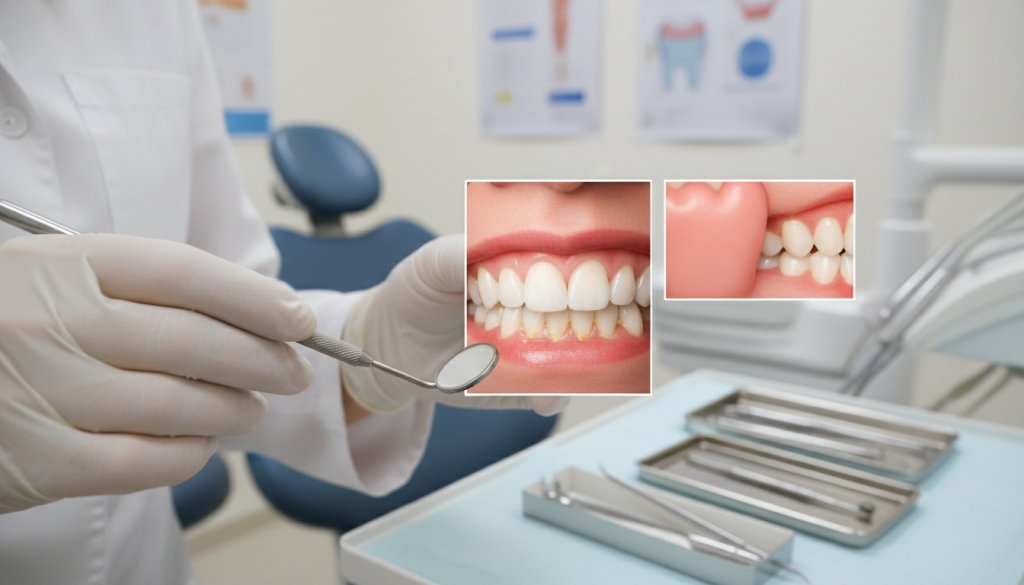
If gingivitis isn’t treated, it can turn into more serious periodontal disease. At this point, the infection starts to damage the bond between teeth and soft tissue. This leads to deep pockets where bacteria grow, hard to clean at home.
When pockets form, you need a dentist’s help to stop the disease. Dentists use special tools to clean deep under the gums. Regular check-ups are key to keeping your gum health in check and preventing serious damage or tooth loss.
The Role of Preventive Dentistry
We think it’s best to stop dental problems before they start. Preventive dentistry aims to catch issues early, avoiding expensive fixes later. This way, you can keep your smile healthy for years to come.
Regular check-ups and cleanings are key. They let us watch your gum health and clean out plaque that brushing can’t. This keeps your teeth strong and prevents big problems.
By making these visits a priority, you’re investing in your health. Regular dental care lowers the risk of serious gum disease and other issues. We’re here to help you build good habits for your teeth and gums.
| Feature | Preventive Dentistry | Reactive Treatment |
|---|---|---|
| Primary Goal | Maintain gum health | Fix existing damage |
| Cost Impact | Low and predictable | High and variable |
| Patient Effort | Routine maintenance | Complex procedures |
| Long-term Result | Natural tooth retention | Potential tooth loss |
Preventive dentistry is about taking control of your oral health. By keeping your gum health in check, you avoid the pain and stress of emergency visits. We see these appointments as vital for your long-term oral health.
Dietary Habits and Their Impact on Teeth
The foods and drinks we eat every day greatly affect our tooth enamel. What we choose to eat or drink can either help or harm our teeth over time.
Consuming foods high in sugar, like snacks or bread, leads to acid production in the mouth. This acid breaks down the minerals in our enamel, a process called demineralization. If we keep eating these foods, it can cause cavities and tooth decay.
Drinks like sodas and fruit juices are also harmful. They make the mouth’s pH level drop, making enamel soft and weak. Reducing how often we drink these acidic drinks is key to keeping our teeth strong.
To help our teeth, we should eat foods rich in nutrients. These foods help make saliva, which fights acids and helps our teeth heal. Here’s a table showing how different foods affect our teeth:
| Food Category | Impact on Teeth | Recommendation |
|---|---|---|
| Fermentable Carbs | High risk of acid production | Limit snacking frequency |
| Acidic Beverages | Direct enamel erosion | Drink through a straw |
| Crunchy Vegetables | Natural cleaning action | Eat as a healthy snack |
| Dairy Products | Neutralizes oral acids | Include in daily meals |
Eating foods rich in calcium, like cheese and leafy greens, can make our teeth stronger. We see our diet as a partner in keeping our teeth healthy. By choosing wisely, we help our body keep our teeth healthy for a long time.
Managing Dental Sensitivity and Enamel Wear
Many people deal with tooth sensitivity every day. This pain happens when the enamel, the outer layer of your tooth, wears down. When enamel gets thinner, dentin, the layer underneath, gets exposed.
Dentin has tiny tubules that connect to the nerve. When hot, cold, or acidic things touch these areas, you feel sharp pain. Knowing how this works is key to finding relief and keeping your teeth healthy.
Several things can wear down your enamel. Aggressive brushing is one, as it can physically damage your teeth. Also, eating too much acidic food or having stomach problems can weaken your teeth’s structure.
To help, try using a soft-bristled toothbrush and brush gently. Using desensitizing toothpaste daily can also help. These small changes can make a big difference in how you feel.
| Cause of Wear | Primary Effect | Recommended Action |
|---|---|---|
| Aggressive Brushing | Physical enamel abrasion | Use soft-bristled brush |
| Acidic Diet | Chemical enamel erosion | Rinse with water after meals |
| Teeth Grinding | Structural micro-cracks | Consult for a night guard |
| Gum Recession | Exposed root surfaces | Use desensitizing products |
If you’re not feeling better, contact our team for help. We can find out what’s causing the problem and suggest targeted treatments. Your comfort is our main goal as we work to keep your smile healthy.
The Science of Plaque Removal
Good oral hygiene is based on a simple science. Plaque, a sticky film of bacteria, forms on our teeth. If not cleaned, it can harm the enamel.
By regularly cleaning our teeth, we break up these bacteria. This stops them from forming harmful layers. Without cleaning, plaque turns into tartar, which only a dentist can remove.
Knowing how plaque forms is key to good preventive dentistry. Regular cleaning stops decay before it begins. This keeps our mouth healthy and balanced.
The table below shows how bacteria build up and why we need to act:
| Stage | Description | Action Required |
|---|---|---|
| Initial Formation | Soft, sticky bacterial film | Daily teeth cleaning |
| Maturation | Colonies harden and grow | Rigorous plaque removal |
| Calcification | Tartar formation | Professional dental care |
See your daily cleaning routine as a key part of preventive dentistry. Each cleaning session protects your teeth from damage. By understanding plaque removal, you control your dental health and overall wellness.
Special Considerations for Orthodontic Care
Wearing braces means you need to change how you take care of your teeth. The journey to a straighter smile is worth it, but it needs a special effort in preventive dentistry. This ensures your teeth stay healthy while you’re getting your teeth straightened.
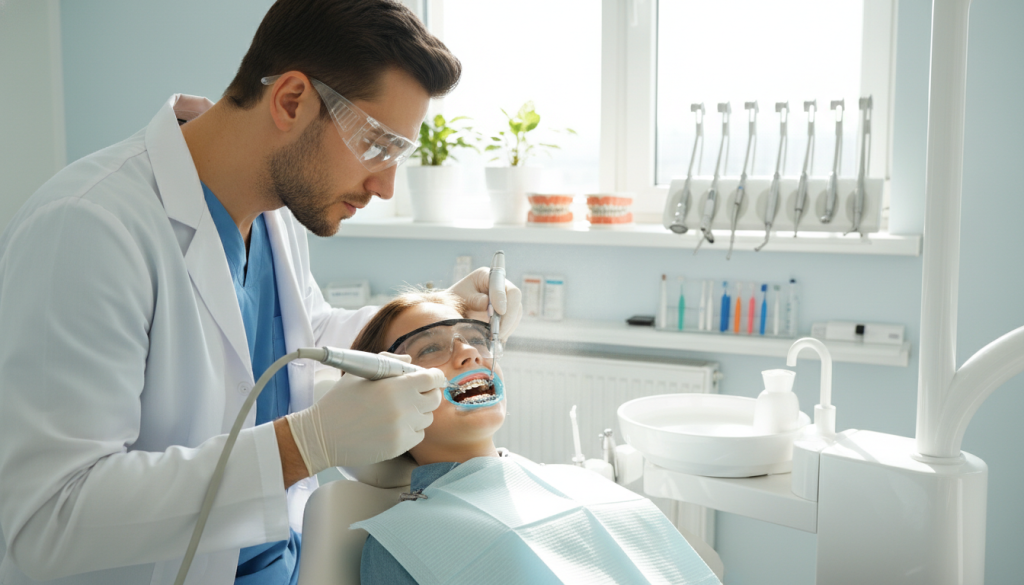
Braces create small spots where food and bacteria can hide. If not cleaned, these spots can cause problems like white spots or gum inflammation.
Using tools like interdental brushes and water flossers is key. They help clean around the wires. By doing this, you protect your teeth and gums. This way, your orthodontic treatment will give you a smile that’s both beautiful and healthy.
Dental Hygiene for Different Life Stages
From childhood to your golden years, your mouth changes a lot. We know that Dental Hygiene changes too. It’s important to adapt to these changes to keep your smile healthy.
In childhood and teens, it’s all about starting good habits and watching teeth grow. When you’re an adult, hormones and stress can affect your gum health. You need to be more careful to avoid problems later.
As you get older, you’re more likely to lose teeth and face gum problems. This is because of natural wear and some medicines. Older adults often have less saliva, which can hurt your mouth. You might need special products, like moisturizing mouthwashes or soft brushes, to keep your gum health good.
Changing your dental care routine helps keep your mouth healthy all your life. It’s a good idea to check your habits with your dentist often. This way, you can catch any issues early. Below is a table showing what to focus on at each stage of life.
| Life Stage | Primary Focus | Key Concern |
|---|---|---|
| Childhood | Establishing Routine | Cavity Prevention |
| Adulthood | Hormonal Balance | Gum Inflammation |
| Senior Years | Saliva Production | Tooth Loss Risk |
By focusing on Dental Hygiene, you can have a confident smile at any age. Knowing how your body changes helps you take care of your gum health. This way, you can keep your mouth healthy for years to come.
The Impact of Lifestyle Choices on Oral Hygiene
Our daily routines can affect our oral health more than we think. While we clean our teeth, our lifestyle choices play a big role in our mouth’s health. True wellness means taking care of your whole body, including your mouth.
Using tobacco and drinking alcohol can weaken your immune system. A weak immune system makes your mouth more prone to infections. These habits also make it hard to remove plaque during your daily cleaning.
Stress can also harm your teeth. High stress can cause teeth grinding, which wears down your enamel. Stress can also make you forget to take care of your mouth, leading to more plaque.
Think of your health as a whole system. Changing your lifestyle can help your body stay healthy, including your smile.
| Lifestyle Factor | Impact on Oral Tissues | Effect on Hygiene |
|---|---|---|
| Tobacco Use | Reduced blood flow | Impairs healing and plaque removal |
| Alcohol Intake | Dry mouth and acidity | Increases risk to oral hygiene |
| Chronic Stress | Bruxism and inflammation | Neglect of daily oral hygiene |
| Poor Nutrition | Weakened enamel | Complicates effective plaque removal |
Choosing Professional Dental Care Providers
We think picking the right professionals is key to good, lasting dental care. It’s about finding a team that works with you to keep your mouth healthy for years. They should really get what you need.
A top-notch dental office has a team that works well together. Your dentist handles the big decisions and scans. But your dental hygienist is key for keeping your teeth clean and healthy.
When looking for dental care, look for places that teach you a lot. A good dentist will explain your options clearly. This way, you can make smart choices about your health.
| Professional Role | Primary Responsibility | Patient Benefit |
|---|---|---|
| Dentist | Diagnosis & Treatment | Clinical precision |
| Dental Hygienist | Preventive Care | Long-term gum health |
| Support Staff | Communication | Clear guidance |
The best dental care makes you feel understood and valued. By picking a dental hygienist and dentist who are open, you’re setting your smile up for success. Your comfort and understanding are the true measures of a successful provider relationship.
Technological Advancements in Oral Care
We are entering a new era in oral health where technology meets comfort. Modern dental care has been transformed by digital innovations. These changes make diagnostics and treatments more precise than ever before.
These advancements allow us to spot issues early, making treatments less invasive. This ensures your treatment is effective and comfortable.
One big improvement is the tools your dental hygienist uses. Digital imaging systems give us high-resolution views of your teeth and gums. This level of detail was impossible before.
This clarity helps us create a plan that meets your specific needs with remarkable accuracy.
Ultrasonic scalers have also changed deep cleanings. Your dental hygienist uses gentle vibrations to remove plaque and tartar. This method is more efficient and comfortable for you.
This technology is a game-changer for those who were anxious about traditional scraping methods.
These technological leaps aim to improve your long-term oral health. By using these advanced tools, we can provide more targeted care. This protects your smile for years to come.
We are committed to adopting the latest innovations. This ensures you receive the highest quality of support at every appointment.
Conclusion
Your journey to a healthier smile is ongoing and rewarding. It needs both daily home care and expert dental visits. Small, consistent actions can lead to big benefits for your health.
Good oral hygiene is key to your overall health. Working with a dental hygienist at Acıbadem Healthcare Group gives you personalized care. These visits help catch problems early, before they get worse.
We’re here to help you make smart choices for your teeth. Contact our team to book your next dental check-up. Let’s keep your smile bright and healthy for many years.
FAQ
Q: Why is Dental Hygiene considered the foundation of systemic wellness?
A: At Acıbadem Healthcare Group, we see oral health as a key to overall well-being. Keeping your teeth clean stops bacteria from getting into your blood. This can help prevent diseases like heart disease and diabetes.
By brushing your teeth every day, you’re not just keeping your smile bright. You’re also protecting your whole body.
Q: What are the essential tools for an effective daily oral hygiene routine?
A: You need the right tools for a good oral hygiene routine. We suggest using a soft-bristled toothbrush, either manual or electric. Brands like Philips Sonicare and Oral-B are good choices.
Pair your toothbrush with fluoride-based toothpaste, like Colgate Total. These tools help remove plaque and strengthen your enamel, keeping your teeth safe and healthy.
Q: How does the modified Bass technique improve the quality of teeth cleaning?
A: The modified Bass technique is a top choice for cleaning teeth. Hold your toothbrush at a 45-degree angle towards your gums and move in small circles. This method cleans deep into your gums without harming them.
Q: Why is interdental cleaning just as important as brushing?
A: Brushing only cleans about 60% of your teeth. To clean the rest, you need to use dental floss, interdental brushes, or a Waterpik. These tools get rid of bacteria in tight spaces between your teeth.
This is key to stopping cavities and keeping your gums healthy.
Q: What is the difference between plaque and tartar?
A: Plaque is a sticky film of bacteria on your teeth. You can remove it with regular brushing. But if you don’t, it turns into tartar, which is hard to remove by brushing.
Only a dental hygienist can remove tartar with special tools like ultrasonic scalers.
Q: How do dietary habits influence the risk of enamel demineralization?
A: What you eat affects your mouth’s chemistry. Eating too many carbs or acidic foods can weaken your enamel. We recommend a balanced diet and rinsing with water after meals to protect your teeth.
Q: What should I do if I experience sudden dental sensitivity?
A: Sensitivity means your enamel is thinning, exposing your dentin. Use desensitizing toothpaste, like Sensodyne, to block nerve pathways. If sensitivity doesn’t go away, see us for a check-up to avoid bigger problems.
Q: How does Acıbadem Healthcare Group support patients with orthodontic appliances?
A: Patients with braces face special challenges in cleaning their teeth. We teach you how to use threader floss and orthodontic brushes to avoid cavities and gum problems. Our goal is to help you have a healthy, straight smile.
Q: What role does a dental hygienist play in preventive dentistry?
A: A dental hygienist is your partner in gum health. They do deep cleanings, teach you how to care for your teeth, and use advanced tools to find problems early. This helps prevent more serious treatments later.
Q: How do life stages, such as aging or pregnancy, affect my oral health?
A: Your oral care needs change as you age or go through life events like pregnancy. Hormonal changes during pregnancy can lead to gum problems, while aging might cause dry mouth. We tailor our care to fit your life stage, ensuring your mouth stays healthy.