





Getting a diagnosis of Ovarian Cancer can be scary, but you’re not alone. We aim to give you clear, reliable health info. This helps you understand your journey with confidence.
We want to make the complex simple for you. We break down tough medical ideas into easy words. This way, you can make smart choices about your health.
We think knowing is key to good treatment. We create a welcoming space for everyone. Learning about Ovarian Cancer is the first step to getting better and moving forward.
Key Takeaways
- We provide evidence-based medical insights to support your health journey.
- Demystifying anatomy helps patients feel more confident in their care.
- Our approach prioritizes clear, accessible communication over complex jargon.
- We foster an inclusive environment for all individuals seeking medical knowledge.
- Informed patients are better equipped to make proactive healthcare decisions.
Understanding the Biology of Ovarian Cancer
We think knowing about ovarian cancer biology helps patients make better health choices. By looking into how these cancers start, we see why each case needs a unique care plan.
Epithelial Ovarian Carcinomas
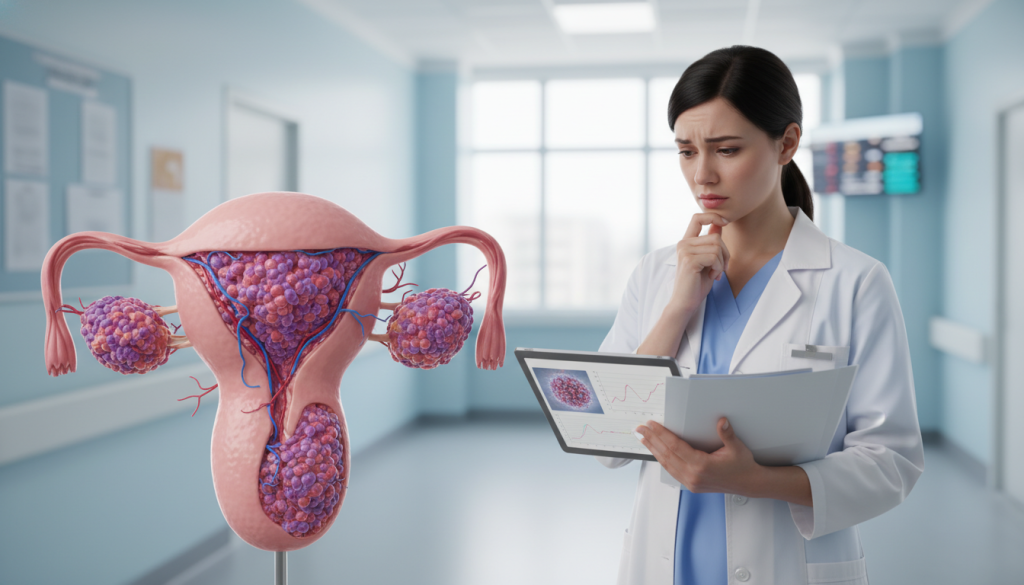
The most common type of ovarian cancer comes from the outer layer of the ovaries. These epithelial ovarian carcinomas are the main type seen in clinics. Because these cells are always being replaced, they can easily get genetic changes that cause them to grow out of control.
Germ Cell and Stromal Tumors
But there are rarer types of ovarian cancer too. Germ cell tumors start from egg-making cells, and stromal tumors come from the tissue that holds the ovary together and makes hormones. These types act differently and need special treatments.
| Tumor Type | Origin | Frequency |
|---|---|---|
| Epithelial | Surface lining | Very Common |
| Germ Cell | Egg-producing cells | Rare |
| Stromal | Structural tissue | Rare |
Knowing about these types is key to understanding how to treat them. We focus on these details to help you feel sure about your treatment. Knowing your ovarian cancer type is the first step to managing it well and staying healthy for a long time.
Key Ovarian Cancer Risk Factors
Knowing what affects your health is key to staying well. While the exact ovarian cancer causes are complex, we can spot some main risk factors. Remember, having one or more of these factors doesn’t mean you’ll get the disease.
Many Ovarian Cancer cases don’t have a clear family link. But, genetics play a big role for some. Genes like BRCA1 and BRCA2 are known ovarian cancer risk factors. They can raise your chance of getting it over time.
Your reproductive history also tells a lot about your health. Things like when you started menstruating, when you stopped, and how many kids you had can affect your risk. Talk to your doctor about these to understand your health better.
The table below shows what researchers look at when checking your health for this condition.
| Risk Category | Description | Impact Level |
|---|---|---|
| Genetic Factors | BRCA1/BRCA2 gene mutations | High |
| Family History | First-degree relatives with history | Moderate |
| Reproductive History | Early menarche or late menopause | Low to Moderate |
| Age | Risk increases with advancing age | Moderate |
By knowing these ovarian cancer risk factors, we help patients talk better with their doctors. Knowing your health is a strong tool in proactive healthcare. If you’re worried about your family or health history, talk to your doctor about Ovarian Cancer prevention and screening.
Recognizing the Symptoms of Ovarian Cancer
Understanding your body’s signals is key to catching ovarian cancer early. The first signs are often small and can be mistaken for normal stomach issues or minor digestive problems.
Keep an eye on your health if you notice any lasting changes. The main symptoms of ovarian cancer include persistent bloating, pain in the pelvis or belly, and changes in how you go to the bathroom.
These feelings can happen sometimes, but they’re a worry if they keep coming back or last more than two weeks. If these symptoms don’t go away with simple changes, it’s time to see a doctor.
Getting diagnosed early can make a big difference. So, it’s important to look out for your health. Talk to your doctor or gynecologist if you’re feeling any discomfort.
| Symptom | Common Misconception | When to See a Doctor |
|---|---|---|
| Persistent Bloating | Dietary sensitivity | Lasting over 2 weeks |
| Pelvic Pain | Menstrual cramps | If pain is constant |
| Bowel Changes | Irritable Bowel Syndrome | New, unexplained onset |
| Feeling Full Quickly | Reduced appetite | Persistent loss of hunger |
Knowing about the symptoms of ovarian cancer helps you take charge of your health. You know your body best, and your worries are important to share with a doctor.
The Importance of Ovarian Cancer Awareness
Raising awareness about ovarian cancer is key to saving lives every day. We see public education as the foundation of our work. It helps improve early detection and better outcomes worldwide. By sharing true information, we clear up myths about this complex disease.

Many people hesitate to see a doctor because they’re not sure about the signs. Our ovarian cancer awareness efforts encourage people to listen to their bodies. Regular health checks are important.
When people know the risks, they’re more likely to see a doctor early. This is a big step towards better health.
Building a culture of knowledge empowers people to take care of their health. We think informed patients make the best choices for their health. Keeping the conversation going helps reduce fear and promotes proactive care.
In the end, ovarian cancer awareness is about more than just facts. It’s about building a supportive community. We’re dedicated to helping find ovarian cancer early. This gives patients the best chance for a good outcome.
Diagnostic Procedures and Screening Methods
Getting to an ovarian cancer diagnosis takes several important steps. These steps help us understand your pelvic health well. Early detection is key to effective care. We use physical exams and advanced imaging to check any symptoms you might have.
The first step is a pelvic exam. A healthcare provider checks the ovaries and uterus during this exam. It’s a basic but important step to find any issues that need more looking into.
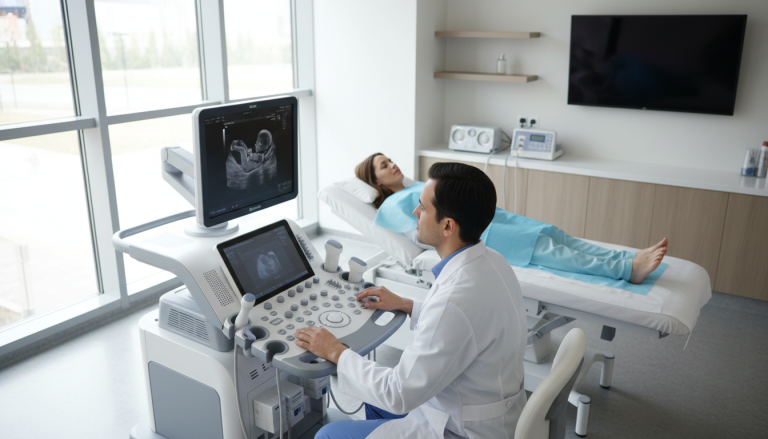
Next, we often use a transvaginal ultrasound. This method uses sound waves to show detailed pictures of the pelvic area. It’s great for spotting masses or cysts that can’t be seen by touch alone. This tool is a key part of Ovarian Cancer screening because it gives us clear, non-invasive images.
Blood tests, like the CA-125 test, also help. This test checks for a protein in the blood that’s often high in Ovarian Cancer patients. While it’s not a sure sign on its own, it adds important information when we look at it with other findings.
| Diagnostic Tool | Primary Function | Clinical Benefit |
|---|---|---|
| Pelvic Exam | Physical assessment | Detects structural changes |
| Transvaginal Ultrasound | High-resolution imaging | Visualizes pelvic masses |
| CA-125 Blood Test | Biomarker analysis | Supports clinical evaluation |
Even though screening methods are getting better, a mix of imaging and physical checks is the gold standard for accuracy. Relying on just one test is not enough for a sure ovarian cancer diagnosis. By using these tools together, we make sure every patient gets a full and accurate health check.
Staging Ovarian Cancer
We categorize Ovarian Cancer stages to create a treatment plan for each patient. Staging shows how far the disease has spread. Understanding these classifications is vital for effective treatment and a clear prognosis.
Staging helps your healthcare team talk clearly about your condition. We break down complex reports into simple language. This way, you feel empowered and informed. Accurate staging is key for all care decisions.
The table below shows how ovarian cancer stages are classified:
| Stage | Description | Extent of Spread |
|---|---|---|
| Stage I | Localized | Cancer is found only in one or both ovaries. |
| Stage II | Pelvic Extension | Cancer has spread to other organs within the pelvis. |
| Stage III | Abdominal Spread | Cancer has spread to the lining of the abdomen or lymph nodes. |
| Stage IV | Distant Metastasis | Cancer has spread to organs outside the abdomen, such as the lungs. |
Ovarian Cancer is complex, and each patient’s journey is unique. While ovarian cancer stages offer a framework, your treatment will be tailored to you. We’re here to guide you through these details with clarity and compassion.
Comprehensive Ovarian Cancer Treatment Options
We believe in a team approach for ovarian cancer treatment. Surgeons, oncologists, and pathologists work together. They create a plan based on the tumor’s stage and type. This team effort ensures all decisions are backed by the latest research.
Our main goal is to fight the cancer hard while keeping the patient healthy. Getting a Ovarian Cancer diagnosis is tough. We aim to treat the disease aggressively while supporting the patient.
Treatment often includes surgery and systemic therapies. Surgery aims to remove as much tumor as possible. Then, chemotherapy targets any cancer cells left in the body.
The table below shows common treatment methods:
| Treatment Type | Primary Goal | Typical Application |
|---|---|---|
| Cytoreductive Surgery | Tumor removal | Initial stage management |
| Systemic Chemotherapy | Cell destruction | Post-surgical recovery |
| Targeted Therapy | Molecular inhibition | Specific genetic markers |
We watch how the body reacts to treatment and adjust as needed. By focusing on personalized medicine, we make treatment as precise as possible. Our goal is to offer compassionate care that supports patients with Ovarian Cancer.
Our team works hard to balance fighting Ovarian Cancer with keeping patients’ quality of life good. We make sure patients are well-informed and supported at every step of their recovery.
Managing Side Effects and Quality of Life
We think your quality of life is as important as beating ovarian cancer. The fight against this disease is not just about treatments. It’s about keeping you well in every way.
Our team focuses on supportive care to help you deal with physical and emotional changes. We tackle these issues early to keep you comfortable and strong during recovery.

Good nutrition is key to how your body handles treatment. We team up with dietitians to make meal plans that help with symptoms like nausea or tiredness. This way, you get the energy you need to heal. Also, pain management is customized for you, so you can stay active and involved in your life.
It’s also important to take care of your emotional health when facing ovarian cancer. We offer counseling and support groups for you and your family. This holistic approach makes sure every patient gets care that meets their unique needs.
The table below shows the main areas of supportive care we offer to improve your daily life:
| Support Category | Primary Goal | Benefit to Patient |
|---|---|---|
| Nutritional Counseling | Optimize energy levels | Improved recovery speed |
| Pain Management | Reduce physical discomfort | Enhanced daily mobility |
| Psychological Support | Emotional stabilization | Better mental well-being |
| Integrative Therapy | Manage ovarian cancer stress | Increased quality of life |
Ovarian Cancer Prevention and Risk Reduction
Being proactive about your gynecological health is key to lowering your risk of ovarian cancer. While some cases can’t be prevented, making informed choices can help you stay healthy. This empowers you to take charge of your well-being.
Studies show that certain methods can help prevent ovarian cancer. For many, using oral contraceptives can greatly reduce the risk. If you have a strong family history or genetic mutations like BRCA1 or BRCA2, removing your ovaries and fallopian tubes might be recommended.
Your daily choices also impact your health. Regular check-ups with your gynecologist are important. They help catch problems early and keep an eye on your reproductive health. Eating well and staying active are also key to a healthy lifestyle.
Assessing your risk is a team effort with a healthcare expert. They’ll look at your family and genetic history to tailor a plan for you. Proactive decision-making is vital for managing ovarian cancer. It ensures you get the best care and advice on your health journey.
Navigating the Patient Journey
Getting a diagnosis can be tough, but you’re not alone. We know the journey with Ovarian Cancer is complex. Our goal is to support and guide you at every step.
Coordinating care with different specialists is key. Keeping your oncologist, surgeon, and primary care in sync is vital. This teamwork ensures your health goals are met and your care is smooth.
Managing your appointments can make a big difference. We suggest using a health binder or app to track your Ovarian Cancer treatment. This way, you can focus on healing without worrying about details.
| Resource Type | Purpose | Benefit |
|---|---|---|
| Care Coordinator | Scheduling and logistics | Reduces stress |
| Patient Portal | Accessing test results | Improves clarity |
| Support Groups | Emotional connection | Provides comfort |
Using available resources can empower you. From nutrition advice to mental health support, these tools aim to enhance your life. We’re here to guide you through your Ovarian Cancer care journey with confidence and peace of mind.
Current Research and Future Directions
We are in a new era in oncology, where research is changing how we fight ovarian cancer. Scientists are exploring new ways to understand tumors’ unique genetic signs. This leads to treatments that are more tailored to each patient’s needs.
Targeted therapies are a big leap forward. They aim at specific proteins or genetic changes in cancer cells. This method helps protect healthy cells and boosts patients’ quality of life.
Immunotherapy is also a key area of research. It helps the body’s immune system fight cancer cells better. We’re committed to turning these discoveries into better care for our patients through trials and new treatments.
The table below shows how treatments are evolving:
| Treatment Category | Traditional Approach | Emerging Ovarian Cancer Strategy |
|---|---|---|
| Primary Therapy | Standard Chemotherapy | Precision Targeted Therapy |
| Immune Support | General Supportive Care | Advanced Immunotherapy |
| Diagnostic Focus | Anatomical Imaging | Molecular Genetic Profiling |
We’re leading the way in medical innovation, giving patients the best treatments today. Our team keeps up with global research to ensure evidence-based care for all. We’re optimistic about the future of fighting ovarian cancer.
Living with a Diagnosis
Living with ovarian cancer brings big challenges that go beyond doctor’s visits. Getting this news changes your life, and it’s okay to feel lost. You are not alone in this journey, and we’re here to help.
Building a strong support network is key to handling your feelings. Joining support groups lets you connect with others who get what you’re going through. These groups are places where you can share tips and find strength together.
Also, don’t forget about professional help for your mind. Talking to a counselor or therapist can help you deal with your feelings about ovarian cancer. Taking care of your mental health is as important as your physical health right now.
Keeping a healthy lifestyle is also a big part of your care plan. Eating well, staying active, and getting enough sleep can really improve your life. Making small, steady changes can help you feel more energetic and hopeful during treatment.
We’re here to support you every step of the way. We want to make sure you feel supported, informed, and strong. By combining top-notch medical care with kindness, we aim to help you face ovarian cancer with confidence. Your health and happiness are our top concerns always.
Conclusion
An ovarian cancer diagnosis changes your life a lot. You need expert medical care and a strong support network. Knowledge is your most powerful tool during this time.
Make your long-term wellness a priority by getting regular screenings. Always talk openly with your healthcare providers. This way, your needs are at the center of every treatment plan. Taking proactive steps can lead to better outcomes for those with ovarian cancer.
At Acıbadem Healthcare Group, we’re committed to providing top-notch care. Our team has the expertise to help you make complex medical decisions with confidence. We’re here to support you through every stage of treatment and recovery.
Get in touch with our specialists to talk about your health concerns. Your well-being is important to us, and we’re here to help you thrive. Take the next step towards informed health management today.
FAQ
Q: What are the most common symptoms of ovarian cancer that I should monitor?
A: Keep an eye out for persistent bloating, pelvic or abdominal pain, and trouble eating. Also, watch for urgent or frequent urination. These symptoms might seem like stomach issues but need a doctor’s check if they last over two weeks.
Q: What are the primary ovarian cancer causes and known risk factors?
A: The exact causes of ovarian cancer are not fully known. But, we know some risk factors. These include being older, having a family history, and certain genetic mutations like BRCA1 and BRCA2.
Other factors include never having been pregnant and endometriosis. But, many cases have no known cause.
Q: How is an accurate ovarian cancer diagnosis determined?
A: Diagnosing ovarian cancer starts with a pelvic exam. Then, we use advanced imaging like ultrasound or CT scans. Blood tests also check for CA-125 levels, a protein linked to ovarian cancer.
A biopsy or surgery is needed to confirm the diagnosis by looking at the tissue directly.
Q: Can you explain the different ovarian cancer stages?
A: We divide the disease into four stages. Stage I means the cancer is in one or both ovaries. Stage II is when it spreads to other pelvic organs.
Stage III involves the abdominal lining or lymph nodes. Stage IV means it has reached distant organs like the lungs or liver. Knowing these stages helps us plan the best treatment.
Q: What are the current ovarian cancer treatment options available?
A: At Acıbadem Healthcare Group, we use a team approach. This often includes surgery and systemic therapies. The choice depends on the cancer’s stage and type.
We might use chemotherapy, targeted therapy, or immunotherapy. Our goal is to treat the cancer effectively while improving the patient’s quality of life.
Q: Is ovarian cancer prevention possible for high-risk individuals?
A: While we can’t prevent it completely, some strategies can lower the risk. Using oral contraceptives and prophylactic surgery are options for those at high risk. Regular check-ups are key to maintaining health.
Q: Why is increasing ovarian cancer awareness so important?
A: Awareness is key because early detection improves outcomes. By teaching about symptoms and myths, we empower people to take charge of their health. Our goal is to make sure patients feel informed and confident when talking to doctors.
Q: What is the difference between epithelial ovarian carcinomas and other tumor types?
A: Most ovarian cancers are epithelial, starting in the ovary’s outer cells. Germ cell tumors start in egg cells, and stromal tumors in structural tissue. We tailor our treatment based on these types to ensure the best care for each patient.
Q: How does Acıbadem Healthcare Group support patients during their treatment journey?
A: We offer more than just medical care. We help manage side effects with nutrition, pain management, and counseling. Our team works together to provide a supportive environment, helping patients recover with dignity and care.