





The human body has a complex system called the lymphatic system. It fights infections and keeps fluid balance. When cells in this system grow too much, it’s called lymphoma. Getting this news can be really tough for patients and their families.
We want to give you clear, reliable information to help you through this. Learning about how lymphoma affects your immune cells can make you feel stronger. We’re here to offer expert advice and care as you learn more about your lymphoma.
Key Takeaways
- The lymphatic system is a key part of your immune defense.
- This condition happens when immune cells grow too much.
- Spotting it early and understanding your diagnosis are key to managing it well.
- We focus on teaching you so you can make smart health choices.
- You’re not alone in facing the challenges of your treatment.
Understanding the Basics of Lymphoma
Lymphoma is a type of cancer that starts in the lymphatic system. This system is key to our immune health. It helps fight off infections and diseases by spreading throughout the body.
This condition is often called lymph node cancer. It happens when cells in the lymphatic system grow too much. These cells form masses that can harm how our body works. Because the lymphatic system is everywhere, it can affect many areas, making it important to catch it early.
More precisely, it’s a lymphocyte cancer. Lymphocytes are special white blood cells that fight off harmful invaders. When these cells turn cancerous, they can’t protect us anymore. That’s why it’s key to understand the biology behind it.
Seeing it as a lymphocyte cancer helps us see how it messes with our immune system. When these cells don’t work right, our body’s balance is off. Knowing it’s a lymph node cancer shows why doctors pay close attention to the lymphatic system when they diagnose.
Distinguishing Between Hodgkin and Non-Hodgkin Lymphoma
It’s important to know the difference between Hodgkin lymphoma and Non-Hodgkin lymphoma. Both are types of lymphocyte cancer, but they act differently and need different treatments.
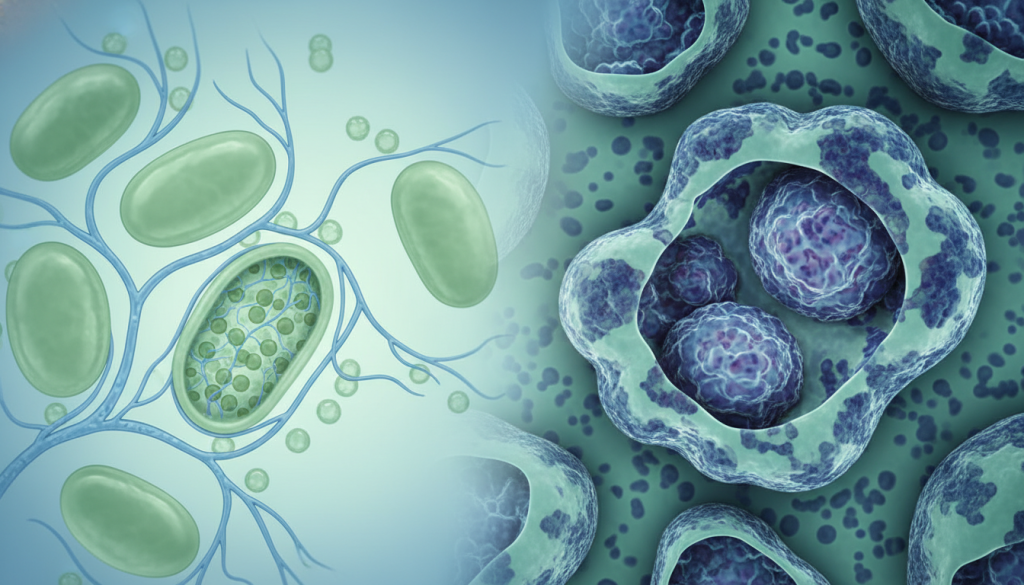
To tell them apart, doctors look at cells under a microscope. For Hodgkin lymphoma, they search for Reed-Sternberg cells. These cells are not found in other types of lymphoma.
If these cells are not there, it’s Non-Hodgkin lymphoma. This type has many subtypes that grow and spread in different ways. Because of these differences, they often need different treatments.
We stress these differences because they affect your treatment. Precision is key in medicine. Knowing the exact type of lymphoma helps our team choose the best treatment for you. This knowledge empowers you and keeps you informed on your healthcare journey.
Common Lymphoma Symptoms to Monitor
Understanding your body’s signals is key to proactive health. Many minor illnesses can cause similar symptoms. But, knowing about lymphoma symptoms is vital for your peace of mind. Early detection often leads to better outcomes, so watch how your body feels over time.
Painless lumps are a common sign of lymph node cancer. These swellings often show up in the neck, armpits, or groin. They may feel firm but usually don’t hurt right away. This is why they’re sometimes missed during daily activities.
Systemic changes that affect your whole body are also important to watch. Many people with lymphoma experience persistent fatigue that doesn’t get better with rest. They also have unexplained fevers. These lymphoma symptoms are your body’s way of saying something’s off and needs a doctor’s check.
Other signs include drenching night sweats and unexpected weight loss. If you notice these changes, don’t panic. Instead, get a professional to look into it. Finding lymph node cancer early lets us offer the best care and support for you.
Exploring Possible Lymphoma Causes and Risk Factors
Most lymphoma cases don’t have a clear cause. But, researchers have found some important risk factors. Understanding lymphoma causes helps us better serve our patients. Many of these factors are beyond our control.

Age is a big factor in lymphoma. It can happen at any age, but the risk goes up with age. Remember, this is natural, not because of lifestyle choices.
How well your immune system works is also key. People with weakened immune systems are more at risk. Viral infections can also raise the risk by affecting lymphocytes.
Genetic predisposition is another topic. While some families may have more cases, most lymphoma causes are not hereditary. Usually, it’s due to random cell mutations.
By looking at these risk factors, we aim to give a clear view of the disease. Knowledge is a powerful tool in your health journey. We see these factors as part of a bigger picture for better care.
The Process of Lymphoma Diagnosis
When you notice health changes that last, the journey to a lymphoma diagnosis starts with medical checks. This time can be uncertain, but we aim to guide you through it. We want to make sure you know what to expect during your visits.
Your doctor will first look at your medical history and talk about any lymphoma symptoms you’ve had. They will then do a physical exam to check for swollen lymph nodes. This step is key to understanding what tests you might need next.
Next, blood tests will be done to check your health and organ function. These tests can’t confirm lymphoma alone but give important information about your blood and inflammation. If these tests show something off, your doctor might suggest a biopsy to confirm the diagnosis.
A biopsy takes a small tissue sample from a lymph node for detailed analysis. This is the gold standard in diagnosing lymphoma. It helps pathologists identify the type of cells involved. We hope to make these steps clearer to ease your anxiety about medical tests.
| Diagnostic Tool | Primary Purpose | Patient Experience |
|---|---|---|
| Physical Exam | Identify physical swelling | Quick and non-invasive |
| Blood Panels | Assess systemic health | Simple blood draw |
| Lymph Node Biopsy | Confirm cell pathology | Minor surgical procedure |
| Imaging Scans | Locate affected areas | Painless observation |
We are here to support you every step of the way. Your health and peace of mind are our top priorities as we work together to find the answers you need.
Staging and Grading Lymphoma
Knowing how far your cancer has spread is key to planning your treatment. After a lymphoma diagnosis, we figure out where the cancer is and how far it’s gone. This helps us create a treatment plan just for you.
We use special scans to find out where the cancer is. PET and CT scans give us detailed pictures of your body. These scans are very helpful for Non-Hodgkin lymphoma because they show us where the cancer is very clearly.
We also do bone marrow biopsies to see if cancer cells are in your bones. This is a common test for many patients. By looking at all these results, we can tell how serious your condition is. This helps us pick the best treatments for you.
We think it’s important to talk clearly with you during this time. Knowing how Non-Hodgkin lymphoma spreads helps you take a bigger role in your care. We want to make sure you understand your lymphoma diagnosis so you can feel confident and calm.
| Diagnostic Tool | Primary Purpose | Clinical Benefit |
|---|---|---|
| PET Scan | Detect metabolic activity | Identifies active cancer sites |
| CT Scan | Map anatomical structures | Shows size and location |
| Bone Marrow Biopsy | Examine marrow health | Confirms systemic involvement |
Current Approaches to Lymphoma Treatment
Choosing the right lymphoma treatment is a team effort between patients and doctors. Getting a diagnosis can be tough, but today’s medicine offers many ways to fight the disease. We aim to give you clear options and hope.
We take a team approach to make a treatment plan just for you. Doctors, hematologists, and pathologists work together. This team-based care is key to top-notch treatment.
Today, we use several main treatments for lymphoma. Chemotherapy kills fast-growing cancer cells all over the body. Immunotherapy boosts your immune system to fight cancer cells better.
Targeted radiation therapy is also common. It treats specific areas with cancer, sparing healthy tissues. These advances have greatly improved treatment results.
We’re always looking for new ways to treat lymphoma. By customizing treatments, we aim to boost survival rates and quality of life. You’re not alone; we’re here to support you with the latest treatments.
The Role of Stem Cell Transplantation
We use stem cell transplantation to help patients with lymphoma treatment. This method is key when high doses of chemotherapy or radiation are needed. These treatments aim to kill cancer cells that are hard to treat.
By giving healthy stem cells, we help the body make new blood cells. This is part of our effort to use cutting-edge medical technology. We aim to help patients recover fully and improve their chances of getting better.

There are two main types of transplants. An autologous transplant uses the patient’s own stem cells. These cells are saved before the tough treatments start. On the other hand, an allogeneic transplant uses stem cells from a donor. This can help fight cancer cells even more.
Choosing the right transplant depends on many things. These include the type of lymphoma, your health, and if a donor is available. We work with you to find the best treatment plan for your needs.
| Feature | Autologous Transplant | Allogeneic Transplant |
|---|---|---|
| Source of Cells | Patient’s own body | Matched donor |
| Primary Benefit | Lower risk of rejection | Donor immune response |
| Recovery Focus | Rapid blood count recovery | Long-term disease control |
| Risk Profile | Lower infection risk | Graft-versus-host risk |
Managing Side Effects and Quality of Life
We make sure your quality of life is a top priority during your healing. Medical treatments aim to fight the disease but can affect your comfort and energy. Our care includes supportive therapies to help you feel cared for in all health aspects.
Issues like nausea, persistent fatigue, and immune system vulnerability are common. We work with you to spot these problems early and find ways to manage them. This way, you can stay strong and focus on what’s important to you.
We value open communication between you and your care team. Telling us about your concerns helps us adjust your care plan. Your input is key to tailoring our approach to your needs.
Our team aims to create a holistic environment where your wellbeing is our main focus. We offer advice on nutrition, exercise, and emotional support. Together, we aim to make your treatment as easy and comfortable as possible.
Pediatric Lymphoma Considerations
When a child is diagnosed with Hodgkin lymphoma, doctors face a big challenge. They must find a balance between treating the disease and caring for a growing body. Children are not just small adults; they need special care because their bodies are constantly changing.
Our pediatric experts focus on treatments that work well and don’t harm a child’s growth or feelings. They adjust the treatment plans to protect important organs and help the child grow strong again.
We think it’s very important to care for children in a way that’s right for their age. Our teams offer comprehensive support to families. This helps them feel supported and less worried during the treatment.
| Consideration | Pediatric Approach | Goal |
|---|---|---|
| Treatment Intensity | Optimized for growth | Long-term health |
| Hodgkin lymphoma | Age-specific protocols | High survival rates |
| Family Support | Integrated counseling | Emotional stability |
| Follow-up Care | Lifelong monitoring | Prevent late effects |
Advancements in Lymphoma Research
The world of cancer treatment is changing fast. We’re finding new ways to fight blood cancers. Thanks to lymphoma research, we’re learning more about how these diseases work. This knowledge helps us use more sophisticated and precise treatments.
One big leap is CAR T-cell therapy. It uses a patient’s immune cells to attack cancer cells. This method is precise and can reduce the need for harsh treatments.
We now know more about what causes lymphoma. This knowledge leads to treatments that fit each patient’s needs. It makes care more effective and less harsh.
Our research keeps improving how we diagnose and treat lymphoma. We’re working hard to turn lab discoveries into better treatments. As we learn more about lymphoma causes, we’re getting closer to managing these diseases better.
| Advancement Type | Primary Benefit | Clinical Impact |
|---|---|---|
| CAR T-cell Therapy | Immune system activation | High remission rates |
| Precision Medicine | Targeted molecular therapy | Reduced side effects |
| Genomic Profiling | Personalized diagnosis | Optimized treatment plans |
Living with Lymphoma
Life after a lymphoma diagnosis needs physical and emotional strength. It’s not just about treatment; it’s about your overall well-being. Our team supports you in finding your path to empowerment and stability.
Keeping a healthy lifestyle is key to managing lymphoma. Simple steps like eating well, staying active, and resting can boost your energy. Listen to your body and make choices that help your health in the long run.
Psychological support is also vital for recovery. Joining support groups or talking to counselors can help you feel less alone. Staying informed about lymphoma research also boosts your confidence in your health choices.
We think knowing about the latest lymphoma research is empowering. It lets you work better with your healthcare team. Here’s a table with tips for a balanced health approach.
| Focus Area | Actionable Strategy | Expected Benefit |
|---|---|---|
| Physical Health | Consistent light exercise | Improved stamina |
| Emotional Well-being | Support group participation | Reduced anxiety |
| Information Access | Reviewing clinical updates | Increased confidence |
| Daily Routine | Balanced nutritional intake | Enhanced immune support |
Your journey is unique, and we’re here to guide you. With proactive self-care and medical advice, you can live with lymphoma more confidently and peacefully.
The Importance of Specialized Care at Acıbadem
At Acıbadem Healthcare Group, we believe that specialized care is the foundation of every successful patient journey. When you face a diagnosis as complex as lymphoma, having a dedicated team of experts by your side changes everything. We prioritize a collaborative environment where your health is the central focus of every decision we make.
Our approach brings together specialists from various medical disciplines to create a unified treatment plan tailored to your needs. By integrating diverse perspectives, we ensure that no detail is overlooked during your care. This multidisciplinary strategy allows us to address both the physical and emotional aspects of your recovery.
Choosing the right medical partner is a critical step in managing your health effectively. We emphasize the importance of selecting a center that offers advanced diagnostic tools, highly experienced oncologists, and a wide range of support services. These resources are essential for achieving the best possible outcomes in modern oncology.
Our institutional authority is rooted in a deep dedication to patient-centered excellence and the latest evidence-based practices. We understand that you are looking for more than just clinical data; you need a partner who listens and cares. At Acıbadem, we remain committed to providing world-class support to help you navigate your path toward wellness with confidence.
Conclusion
Getting a diagnosis can be tough. But, having the right info and support is key. We hope this guide helps you understand lymphoma better and how to manage it.
You’re not alone in this fight. Getting expert medical advice is the best thing you can do for your health.
At Acıbadem Healthcare Group, we’re here to help. We give you the knowledge to make smart choices. We use the latest tools and create plans just for you.
Don’t hesitate to contact our specialists. Your active role in your care is very important. It helps you get the best results.
We’re here to support your recovery journey. Together, we’ll make sure you get top-notch care.
FAQ
Q: What exactly is lymphoma and how does it affect the body?
A: Lymphoma is a cancer that starts in the lymphatic system. This system helps fight off germs and infections. It’s a lymphocyte cancer that grows from white blood cells called lymphocytes.
These abnormal cells often gather in lymph nodes, causing lymph node cancer. At Acıbadem Healthcare Group, we diagnose how these cells affect the immune system. We then provide targeted care.
Q: What is the difference between Hodgkin lymphoma and Non-Hodgkin lymphoma?
A: The main difference is in the cancer cells. Hodgkin lymphoma has unique, large cells called Reed-Sternberg cells. Any other type is called Non-Hodgkin lymphoma.
Knowing the type is key to creating an effective lymphoma treatment plan.
Q: What are the most common lymphoma symptoms I should be aware of?
A: Look out for painless swelling in the neck, armpits, or groin. Other signs include persistent fatigue, unexplained fevers, and drenching night sweats. Unintended weight loss is also common.
While these symptoms can have other causes, a professional evaluation is needed. This ensures an early and accurate lymphoma diagnosis.
Q: What are the primary lymphoma causes and risk factors?
A: The exact lymphoma causes are being researched. But, we know some risk factors. These include being older, having a weakened immune system, and certain viral infections.
Yet, many people diagnosed have no clear risk factors.
Q: How do specialists determine a lymphoma diagnosis?
A: We start with a physical exam and blood tests. A biopsy is needed to confirm lymphoma diagnosis. This involves removing a small tissue sample from a lymph node.
We also use PET and CT scans to see how far the disease has spread.
Q: What options are available for lymphoma treatment today?
A: We offer many treatments, including chemotherapy, immunotherapy, and targeted radiation therapy. Our teams at Acıbadem Healthcare Group create personalized plans. Modern lymphoma treatment offers many patients successful management and long-term recovery.
Q: What is the role of stem cell transplantation in treating this condition?
A: Stem cell transplantation helps restore healthy blood cell production. It’s used for patients needing high-dose chemotherapy. We might use the patient’s own cells or donor cells, depending on the case.
This method is key for complex or recurring cases.
Q: How is pediatric lymphoma managed differently than adult cases?
A: Children need a special approach that considers their growth and development. For pediatric Hodgkin lymphoma and other childhood types, we use effective protocols. These aim to minimize side effects on growing bodies.
Our youngest patients receive compassionate and age-appropriate care.
Q: What are the latest advancements in lymphoma research?
A: Lymphoma research is leading to big changes in care. Breakthroughs like CAR T-cell therapy and precision medicine target cancer cells with great accuracy. These innovations offer more effective, less invasive treatments.
They bring new hope to patients who didn’t respond to traditional therapies.
Q: Why is specialized care at Acıbadem Healthcare Group important for recovery?
A: Specialized care ensures every aspect of the disease is managed by experts. At Acıbadem Healthcare Group, we have a unified team. Oncologists, radiologists, and supportive care teams work together.
Our commitment to excellence and access to cutting-edge technology provide the highest standard of care.