



Angelina Jolies Health Awareness
Can a single public disclosure change how society views preventative medicine? When famous people share their health stories, it sparks a worldwide talk. This talk goes beyond just celebrity news. This Angelina Jolie health awareness moment was a big turning point. It moved the focus from personal struggles to open talks about genetic risks. We think that personal choices are key in teaching the world about health. By talking openly about genetic risks, people can get tested early. This change in thinking makes healthcare places work harder to offer easy-to-get genetic counseling for everyone.
Key Takeaways
- High-profile medical disclosures significantly boost public interest in preventative screenings.
- Transparency regarding genetic risks helps reduce the stigma surrounding hereditary conditions.
- Individual health decisions can effectively drive systemic improvements in medical literacy.
- Institutional healthcare providers must adapt to meet the rising demand for genetic testing.
- Proactive patient engagement remains a cornerstone of modern, sustainable medical infrastructure.
The Catalyst: Understanding the BRCA1 Gene Mutation
The BRCA1 gene mutation is at the heart of many hereditary cancers. It messes up the body’s way to fix damaged DNA. This makes it more likely for people to get cancer, so they need to watch their health closely.
Studies show that people with a bad BRCA1 gene might face up to a 87% chance of getting breast cancer in their lifetime. This is why doctors really push for genetic tests. They help find these problems early, which can save lives.
Dealing with this mutation is complex. We use genetic screening protocols to spot these issues early. These tests help patients make smart choices about their health.
Talking to your doctor about your family history is key. Knowing your genetic makeup helps you take charge of your health. Empowerment through knowledge is what we aim for in our medical care.
| Risk Factor | General Population | BRCA1 Mutation |
|---|---|---|
| Breast Cancer Risk | Approximately 12% | Up to 87% |
| Detection Method | Standard Screening | Advanced Genetic Testing |
| Clinical Focus | Early Diagnosis | Proactive Risk Management |
Angelina Jolie Health Awareness and the Global Conversation
Angelina Jolie health awareness efforts really took off after she shared her genetic test results in 2013. This brave move turned a personal health choice into a big talk worldwide about hereditary cancer risks. It made millions think more about their health.
Healthcare places need to use big moments like this to get people more involved in screenings. We think proactive communication is key to turning celebrity stories into real health advice. It’s our job to make sure people get the right, fact-based info to help them feel better sooner.
Keeping a reassuring and professional tone is essential for good health advocacy. We aim to give clear, fact-based advice that helps patients make smart choices. Here’s how places are changing to help people understand health better.
| Strategy Component | Traditional Approach | Modern Angelina Jolie Health Awareness Model |
|---|---|---|
| Communication Style | Clinical and detached | Empathetic and narrative-driven |
| Information Delivery | Passive brochures | Interactive digital platforms |
| Patient Engagement | Reactive screening | Proactive genetic counseling |
| Institutional Goal | Regulatory compliance | Community health empowerment |
By using innovative engagement strategies, we’re making society more informed. Our goal is to make sure every patient gets the support they need. We’re all in this together, working towards better health for everyone.
The Angelina Effect: Quantifying the Surge in Genetic Testing
After a big celebrity health news in 2013, clinics saw a huge jump in patient interest. This event really helped people understand more about hereditary cancer risks. The number of tests for BRCA1 and BRCA2 genes went up by 2.5 times right after.
This sudden increase put a lot of pressure on labs and genetic counseling services. They had to work hard to keep up with the demand. They had to grow fast to make sure everyone got their test results on time.
Healthcare teams had to change how they worked to handle the rush. They focused on patient-centered care to keep quality high. This time showed how important it is to raise health awareness to encourage early medical action.
The table below shows how this change affected clinics and patient care after the announcement.
| Metric Category | Pre-Announcement Baseline | Post-Announcement Surge | Institutional Response |
|---|---|---|---|
| Genetic Testing Volume | Standard Baseline | 2.5x Increase | Capacity Expansion |
| Patient Inquiries | Moderate | High | Enhanced Triage |
| Counseling Requests | Steady | Significant Rise | Staff Augmentation |
| Diagnostic Turnaround | Optimized | Temporary Strain | Process Automation |
In the end, this big increase showed how famous people can change how we think about health. It helped make health care better and more available for everyone.
Celebrity Health Advocacy and the Power of Public Figures
High-profile individuals have changed how we view preventive medicine. They use their big platforms to connect complex medical info with the public. This makes tough health topics easier for everyone to understand.
Celebrity health advocacy works best when it mixes personal stories with solid medical facts. When stars team up with health groups, they spread important health info far and wide. This way, the info is not only interesting but also true and trustworthy.
Good celebrity health initiatives make it normal to get checked early and often. By sharing their own stories, these stars help people feel okay about getting tested or surgery. This proactive approach helps people take control of their health with confidence.
But, using such a big platform comes with big responsibility. It’s key to stick to science to avoid spreading wrong info. When done right, these partnerships help share health info far and wide, helping many people.
| Strategy Type | Primary Benefit | Reach Potentia |
|---|---|---|
| Celebrity Advocacy | High Public Engagement | Massive Global Audience |
| Traditional Outreach | Clinical Precision | Targeted Patient Groups |
| Institutional Partnership | Verified Medical Accuracy | Broad Educational Impact |
The mix of celebrity health initiatives with medical plans is a big step forward. It builds trust and gives clear, useful health info. This helps improve health knowledge worldwide. It makes sure every patient can make smart choices about their health.
Navigating the Complexities of Preventive Surgery
Choosing to have preventive surgery is a big decision. It’s something people think about when they know they’re at high risk because of their genes. Understanding the weight of these decisions is key to our patient-centered care.
A preventive double mastectomy can cut the risk of breast cancer by about 90% for those with certain genetic mutations. But, making this choice is more than just looking at numbers. We focus on the whole picture, including physical, emotional, and mental health.

We have teams of doctors, genetic counselors, oncologists, and mental health experts. They work together to help patients at every step. This way, we make sure each patient gets a strategy that fits their unique situation and values.
We aim for the best in healthcare by balancing surgery success and quality of life. Our counseling helps patients make informed choices. Providing a supportive environment lets them face these challenges with confidence and our support.
| Care Component | Clinical Focus | Patient Benefit |
|---|---|---|
| Multidisciplinary Teams | Collaborative Planning | Comprehensive Oversight |
| Genetic Counseling | Risk Assessment | Informed Decision-Making |
| Surgical Intervention | Risk Reduction | Long-term Health Security |
The Evolution of Genetic Counseling Services
Today, healthcare places a big focus on genetic counseling. It’s not just about checking risks anymore. It’s a cornerstone of patient-centered care. Clinics make sure people understand their health journey.
Genomic technology has grown fast. Patients get a lot of complex data. Genetic counselors help by making this data clear. They help patients make choices that fit their values and health goals.
Hospitals are building teams for better care. These teams have doctors and counselors. They help with the emotional side of genetic news. This care is key for patients to stay in charge of their health.
The table below shows how care has changed:
| Feature | Traditional Model | Modern Integrated Model |
|---|---|---|
| Data Interpretation | Basic risk reporting | Comprehensive genomic analysis |
| Patient Support | Limited to clinical results | Holistic, multidisciplinary care |
| Decision Making | Physician-led guidance | Collaborative, autonomous choice |
| Technology Use | Manual record keeping | Advanced digital health platforms |
The growth of genetic counseling shows a big push for patient empowerment. It’s about making health info clear and easy to get. This way, patients can take charge of their health with confidence.
Addressing Disparities in Access to Genetic Screening
We are working hard to make sure everyone can get genetic screening. We believe that equitable healthcare delivery is essential for all patients. Our goal is to make sure these important tests reach those who need them most.
Many people face barriers when trying to get genetic tests. These include not having insurance, living far from healthcare, and not knowing how important porodicna istorija raka saveti za prevenciju is. We are trying to help by reaching out and providing financial help.
We are making our healthcare system more open to everyone. We are adding more genetic counselors and using telehealth to help more people. This makes it easier and cheaper for patients to get the tests they need.
We are committed to making sure quality diagnostic services are available to all. We keep investing in new technology and education. Our dream is a future where everyone can make smart health choices.
The Role of Media in Shaping Medical Literacy
Effective public health campaigns connect complex research to the public. Media reports on health news, shaping our understanding of risks and prevention. Clear communication is key to correctly sharing scientific findings with everyone.
Healthcare institutions must provide accurate, easy-to-understand information. This fights against false information. By being open, they help people make informed choices online.
Medical literacy lets people take charge of their health. Knowing about genetic tests or surgeries helps them work with doctors. Proactive health management is possible with good, reliable information.
| Communication Channel | Primary Benefit | Impact on Literacy |
|---|---|---|
| Public Health Campaigns | Broad Awareness | High |
| Digital News Portals | Real-time Updates | Moderate |
| Clinical Educational Tools | Personalized Guidance | Very High |
The mix of media stories and expert advice makes us a more informed society. By improving how we share health info, we support patient autonomy. This teamwork is essential for a healthy future for everyone.
Advancements in Breast Cancer Detection Technology
We are committed to using the latest diagnostic technologies. We focus on innovative imaging solutions to give patients the best care. These tools help us find cancer early and improve patient results.
The use of digital breast tomosynthesis, or 3D mammography, has been a big step forward. It shows breast tissue more clearly than old 2D images. This helps our doctors spot problems more accurately and cut down on false alarms.
Molecular diagnostics have changed how we treat patients. We look at genetic markers to make care plans just for each person. This proactive strategy means high-risk patients get the right care early.
We keep up with the latest in medical technology. We think technological integration is key to top-notch healthcare. Below, you’ll see how new and old diagnostic methods compare in our facilities.
| Diagnostic Method | Primary Benefit | Clinical Application |
|---|---|---|
| 2D Mammography | Standard screening | Baseline population health |
| 3D Tomosynthesis | Enhanced tissue clarity | High-density breast tissue |
| Molecular Profiling | Genetic risk assessment | Personalized prevention plans |
| Automated Ultrasound | Supplemental detection | Comprehensive diagnostic review |
Angelina Jolie Humanitarian Efforts and Global Health Advocacy
Angelina Jolie humanitarian efforts have changed how we see global health advocacy. She uses her fame to highlight the need for accessible medical care in poor areas. This helps make complex health issues easier for everyone to understand.

We think that promoting global health needs a team effort to build lasting solutions. Working together is key to making sure future generations get the medical care they need. We work with others worldwide to find new ways to help those in need.
The work of Angelina Jolie health activism shows how being open can lead to big changes. Our group supports these efforts to make health better for everyone. We focus on creating strong systems that fix health problems for good.
| Advocacy Type | Primary Goal | Expected Outcome |
|---|---|---|
| Celebrity Influence | Public Awareness | Increased Screening Rates |
| Institutional Support | Infrastructure Growth | Sustainable Healthcare Access |
| Global Cooperation | Policy Reform | Reduced Health Disparities |
The Intersection of Genetics and Lifestyle Choices
Genetics and lifestyle choices are key to staying healthy. Genetic markers show possible risks, but they don’t mean you’re doomed. Modern healthcare strategies show that you can change your health with smart choices.
Genetic screening is a tool, not a prediction. It helps find risks so you can make better choices. This way, you can adjust your diet, exercise, and environment to lower risks.
We use this info to help patients in a big way. We connect complex genetic data with everyday habits. This helps make sure every treatment fits into a sustainable lifestyle strategy for better living.
| Factor Category | Primary Influence | Management Strategy |
|---|---|---|
| Genetic Predisposition | Inherited biological markers | Regular clinical screening |
| Lifestyle Choices | Daily behavioral patterns | Targeted wellness interventions |
| Environmental Factors | External health exposures | Risk mitigation and monitoring |
The main goal is to give patients the power to manage their health. By using advanced genetic insights and making smart lifestyle choices, we create a proactive health environment. This way, our patients are always in charge of their health.
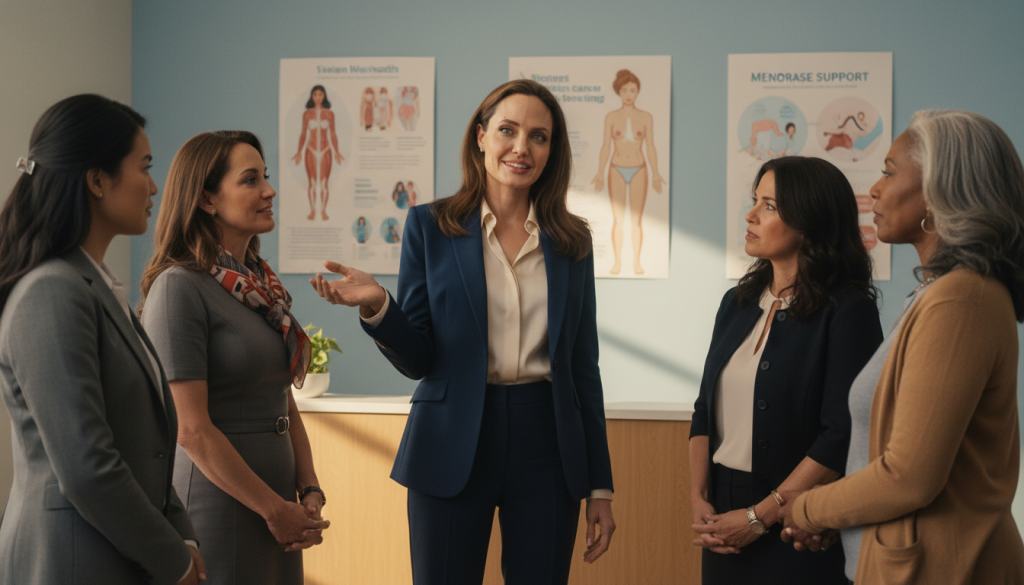
Support Systems for Women Facing High-Risk Diagnoses
When patients get life-changing health news, their support system is key to recovery. We think that medical skill and compassionate care are both essential for the best results. Our team combines medical knowledge with emotional support to help everyone.
The growth of celebrity health initiatives has helped make talking about health care easier. Celebrities sharing their health journeys have inspired women to find support. They show that facing a high-risk diagnosis doesn’t have to be alone.
We focus on making sure patients feel safe and cared for. We offer special counselors, peer groups, and nutrition experts working with doctors. This holistic framework helps with the emotional weight of genetic tests and preventive care.
We keep improving our patient-focused models thanks to celebrity health initiatives. We believe that informed autonomy grows when patients have a strong team. Below is a table showing the main parts of our support system for high-risk patients.
| Support Category | Primary Objective | Service Frequency |
|---|---|---|
| Psychological Counseling | Emotional stabilization | Weekly sessions |
| Genetic Navigation | Risk assessment clarity | On-demand access |
| Peer Support Groups | Community connection | Monthly meetings |
| Clinical Case Management | Treatment coordination | Continuous monitoring |
Ethical Considerations in Genetic Testing and Data Privacy
Genomic medicine is changing healthcare, but we must keep patient data safe. Genetic info can save lives, but we need strong rules to protect privacy. Every person’s genetic data is very personal and needs special care.
We are fully committed to regulatory compliance in all our services. We use top-notch encryption and strict rules to keep health records safe. Following global standards helps us keep the trust between patients and doctors strong.
Building trust is key as we keep improving healthcare. We think being open about how we use data helps patients make better choices. Protecting patient privacy is a big part of our mission to offer top-notch care.
Genomics brings new chances for personalized medicine. But we must also have strong rules for handling data. We’re working hard to keep our security up to date with new tech.
Raising Awareness on Health Issues Through Personal Narrative
When people share their health stories, they make complex issues feel real. This storytelling makes medical conditions seem less scary. It turns hard-to-understand facts into something we can all grasp.
Strong public health campaigns use these personal stories to connect with everyone. When someone famous or a regular person talks about their health, it sparks interest. This interest makes people think about their own health and get checked out.
Healthcare groups are key in spreading these stories far and wide. They give patients a chance to share their experiences. This builds trust and openness in healthcare.
These stories do more than just share information. They create empathy. Seeing ourselves in others’ health journeys motivates us to act. Proactive health management becomes a shared goal, leading to better health for all.
The Long-Term Legacy of Proactive Medical Decision-Making
We are seeing a big change in healthcare, thanks to proactive medical decision-making. This change is not just a short-term trend. It’s a big shift in how people take care of their health. By increasing health awareness, patients can work better with doctors to get better results.
This change affects more than just one person. It helps improve health standards for everyone. When patients take control of their health, they help create a culture of openness and early action. Knowing the faktori rizika sta treba znati is key for making smart health choices.
We are committed to raising awareness on health issues for the future. We aim to build strong systems that support patients at every step. This helps ensure long-term health success.
The work of Angelina Jolie health activism shows how famous people can drive big changes. By linking personal stories with medical knowledge, we make healthcare focus on patient choices. We’re all about this innovative approach to medicine, making sure every patient gets top-notch care.
A New Era of Informed Patient Autonomy
Modern medicine now focuses on the individual. Patients have more tools than ever to manage their health. This shift is a big step forward for global health.
Technology and education are key to this change. We are committed to excellence and innovation. Our goal is to make sure everyone gets the high-quality care they need.
We’re excited to keep working towards a better healthcare future. By putting patients first, we’re improving health worldwide. Our aim is to create a future where both patients and the planet are protected.
FAQ
Q: How has Angelina Jolie health awareness impacted global public health literacy?
A: Angelina Jolie’s health journey has made a big impact. It has turned personal health choices into a way to help others. This has led to more openness about genetic risks and changed how people think about preventive care.
Q: What are the clinical implications of the BRCA1 gene mutation?
A: A BRCA1 mutation can raise breast cancer risk by up to 87%. Our hospitals use strict genetic tests to find these mutations early. This helps us take early action and manage risks better.
Q: What is the “Angelina Effect” and how did it influence genetic testing rates?
A: The “Angelina Effect” is when more people ask about genetic tests after Angelina Jolie’s 2013 announcement. Studies show genetic test requests went up by 2.5 times right away. This shows how famous people can really change how we use medical tests.
Q: How effective are preventive surgical interventions in reducing cancer risk?
A: Preventive surgeries can cut breast cancer risk by about 90% for those at high risk. We have teams to help patients make these big decisions. We focus on making sure the surgery works well and doesn’t harm their quality of life or mental health.
Q: What role does celebrity health advocacy play in modern medicine?
A: Celebrities help bridge the gap between science and the public. By working with famous people, hospitals can reach more people. This makes sure important health info gets to everyone, not just a few.
Q: How do Angelina Jolie humanitarian efforts intersect with global health initiatives?
A: Angelina Jolie’s work helps change the world for the better. She focuses on improving health and building hospitals in places that need them. Her work shows our commitment to helping those in need.
Q: Why is genetic counseling considered a cornerstone of patient-centered care?
A: Genetic counseling is key for making sense of complex health info. Our experts help patients understand their genetic risks. This way, patients can make informed choices about their health.
Q: How are healthcare institutions addressing disparities in access to genetic screening?
A: We’re working hard to make health info available to everyone. We want to overcome barriers like money and background. Our goal is to give everyone access to top-notch genetic tests, no matter who they are.
Q: What technological advancements have improved breast cancer detection?
A: New imaging and testing methods have changed how we find breast cancer. We’re always looking for new ways to improve care. This means better results and more lives saved.
Q: How is patient data privacy maintained during the genetic testing process?
A: We follow strict rules to keep patient info safe. Keeping genetic data private is our top priority. We use secure systems to protect patient privacy while we work to find new treatments.
Q: How does Angelina Jolie health activism encourage informed patient autonomy?
A: Angelina Jolie’s work has changed how we see health. It’s made patients more empowered. By sharing her story, she shows us the importance of taking charge of our health.