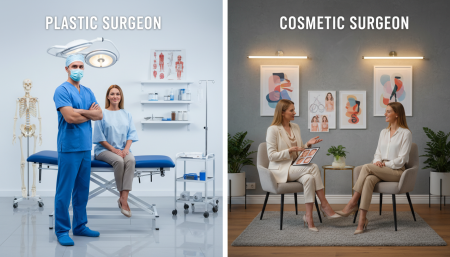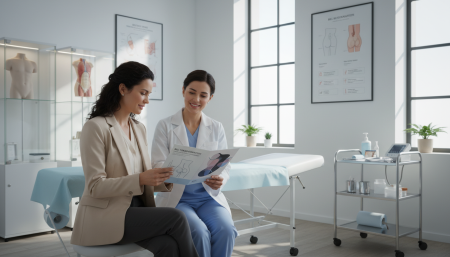
Ever thought about how your surgery success starts before the operating room? Starting a surgical journey is a big decision. It needs careful planning and expert advice. We’re here to guide you through the first steps confidently and clearly.
This guide will help you make the most of your first meeting with a specialist. Organizing your thoughts helps you make smart health choices that fit your well-being. Learning how to prepare for your plastic surgery consultation lets you ask the right questions. It also helps you trust your medical team.
Key Takeaways
- Understand that surgical success starts with thorough pre-appointment planning.
- Identify your primary aesthetic goals to communicate them clearly to your surgeon.
- Gather your complete medical history, including past procedures and current medications.
- Prepare a list of specific questions regarding recovery timelines and possible risks.
- Focus on building a collaborative relationship with your healthcare provider.
Understanding the Purpose of Your Consultation
Think of your first meeting with a surgeon as a vital partnership, not just a simple transaction. The main goal is to start a collaborative relationship with your surgical team. By using effective plastic surgery consultation tips, you can make sure this meeting is a productive two-way dialogue.
This time is for us to combine our clinical expertise with your unique needs and desires. It’s not just a talk about procedures. It’s a chance for us to check if you’re a good fit for certain surgeries. Our main goal is to make sure you feel heard, respected, and fully supported as you make your decision.
Knowing the purpose helps you be an active part of your care. When you see the consultation as a team effort, you can better evaluate your options. Here’s a breakdown of roles to help you use the best plastic surgery consultation tips during your visit:
| Role | Primary Responsibility | Key Objective |
|---|---|---|
| Patient | Sharing goals and history | Achieving personal satisfaction |
| Surgeon | Providing clinical assessment | Ensuring safety and realism |
| Surgical Team | Facilitating communication | Coordinating total patient care |
This meeting aims to connect your expectations with what’s medically possible. By focusing on open communication, you lay a strong foundation for your surgical journey. We’re here to guide you, making sure every step is clear and confident.
Researching Your Surgeon and Their Credentials
Thorough research into your surgeon’s background is key for a successful surgery. Before visiting the clinic, check if your surgeon is qualified and board certified. These plastic surgery consultation tips are your first defense for a safe and quality outcome.
Look for surgeons with active credentials from recognized medical boards. This shows they follow strict safety and ethical standards. Knowing their professional history makes you feel confident in their expertise.
Being well-informed helps you get the best results. When checking a surgeon’s profile, look at their training and experience in your procedure. Using these plastic surgery consultation tips helps you find the right surgeon for your needs.
| Credential Type | Significance | Verification Source |
|---|---|---|
| Board Certification | Demonstrates advanced training | Medical Specialty Board |
| Hospital Privileges | Ensures facility safety | Local Hospital Directory |
| Professional Membership | Upholds ethical standards | National Medical Societies |
| Continuing Education | Reflects modern techniques | State Medical Board |
By checking these details, you’ll feel more at ease. Always value transparency and clear communication when reviewing your surgical team’s credentials.
How to Prepare for Your Plastic Surgery Consultation Effectively
Starting your surgical journey well before the operating room is key. Begin by creating a folder or digital document for your research, medical history, and notes. This helps keep everything organized and ensures no important details are missed during your consultation.
Being well-prepared lets the consultation focus on planning and care tailored to you. Arriving with a clear plan reduces anxiety and makes your visit more valuable. This readiness is like preparing for a biopsija sve sto treba znati o ovom, where clear information is essential.
Good preparation is more than just gathering papers. It’s about thinking deeply about what you want to achieve. Write down your goals and any worries you have. Knowing how to prepare lets you talk better with your medical team.
| Preparation Method | Primary Benefit | Recommended Tool |
|---|---|---|
| Digital Folder | Easy access and sharing | Cloud Storage App |
| Physical Binder | Tactile and organized | Tabbed Folder |
| Checklist | Ensures no missed topics | Printed Note Sheet |
| Visual Journal | Clarifies aesthetic goals | Photo Album |
Your preparation is a bridge between your dreams and the surgeon’s skills. By putting in the effort, you show you care about your health and safety. We’re here to help you make smart choices every step of the way.
Compiling Your Medical History and Current Medications
Getting your medical history ready is key for your plastic surgery consultation preparation. We use this info to create a safe and effective surgery plan for you.
Make sure you have a list of all past surgeries and health conditions. Also, tell us about all the medicines you’re taking, including vitamins and supplements. Even simple vitamins can affect how your body reacts to anesthesia or heals.
Telling us about your health is very important. It helps us give you the best care. When you prepare well for your plastic surgery consultation, we can spot any risks early. This way, we can make sure you’re safe before surgery.
Here’s a checklist to help you get ready for your visit:
| Category | Examples to Include | Why It Matters |
|---|---|---|
| Past Procedures | Previous surgeries, anesthesia reactions | Safety and planning |
| Chronic Conditions | Diabetes, hypertension, allergies | Clinical risk assessment |
| Medications | Prescriptions, vitamins, herbal teas | Preventing drug interactions |
We want you to be as detailed as you can during this part of your plastic surgery consultation preparation. Your honesty helps us focus on your safety and get the best results for your surgery.
Defining Your Aesthetic Goals and Expectations
Understanding your personal goals is key to a successful surgery. When you start your plastic surgery consultation preparation, think about what you really want. It’s not just about the physical changes, but why you want them.
Telling us about your vision helps us tailor the surgery to fit you. This way, we can work together to meet your needs. Being open is important for a good plastic surgery consultation preparation.
We aim to meet your aesthetic vision, but we also give honest feedback. Your safety and health are our top priorities. We’ll talk about what procedures can and can’t do to keep your expectations realistic.
Having an honest conversation helps match your dreams with what’s possible. We want you to feel sure and informed before we start. Our goal is to help you understand how we can support your journey to your desired look.
Preparing a List of Essential Questions
Preparing a list of key questions is a great way to make the most of your visit. When you get to your appointment, you might feel overwhelmed by all the information. A plastic surgery consultation checklist keeps you on track and makes sure you get all your questions answered.
Make sure to ask about the surgeon’s experience with your procedure and how long it will take. It’s also important to know about the recovery time so you can plan your work and personal life. Writing these questions down ahead of time helps you remember them, even if you’re feeling nervous.
We want to answer all your questions to make you feel at ease. Using a plastic surgery consultation checklist helps us give you the best care. Below is a table with some questions to consider for your notes.
| Category | Key Question | Why It Matters |
|---|---|---|
| Experience | How often do you perform this? | Confirms surgeon expertise. |
| Procedure | What is the surgery duration? | Helps with scheduling. |
| Recovery | What is the expected timeline? | Aids in planning downtime. |
Gathering Visual References and Inspiration
Visual references are key in bridging your verbal goals with your surgeon’s expertise. When you prepare for your visit, include these items in your plastic surgery consultation checklist. They help clarify your vision. Showing us images of results you admire is a great starting point for our conversation.
Remember, every body is unique. These photos should inspire us, not be exact blueprints. Your surgeon will use these images to understand your aesthetic preferences and consider your specific anatomy. Tailoring the surgical approach to your unique features is our main goal.
By bringing clear examples to your appointment, you help us have a more productive conversation. Including these references in your plastic surgery consultation checklist ensures we don’t miss any details. We’re here to help you align your expectations with safe, personalized surgical outcomes.
Managing Financial Expectations and Insurance Queries
We think knowing the financial side of your care makes you feel more ready. Being open about costs is key to a worry-free surgery. By tackling these issues early, you can focus on getting better later.
At your visit, we suggest asking lots of plastic surgery consultation questions about costs. It’s vital to understand all expenses, like surgeon fees, anesthesia, and post-op care. This includes any needed supplies or meds after surgery.
If insurance is a concern, bring all your documents to your appointment. Many cosmetic surgeries aren’t covered, but some reconstructive ones might be. Having your papers ready helps us figure out what your insurance might cover.
Going over these details helps avoid surprises later. Using your plastic surgery consultation questions well helps you budget clearly. Below is a list of what usually goes into your surgery quote.
| Cost Category | Description | Responsibility | Insurance Coverage |
|---|---|---|---|
| Surgeon Fee | Professional expertise and time | Patient | Rarely |
| Facility Fee | Operating room and staff | Patient | Variable |
| Anesthesia Fee | Safety and sedation services | Patient | Variable |
| Post-Op Care | Medications and garments | Patient | Rarely |
Navigating the Physical Examination Process
Understanding the physical examination process can make you feel more ready and relaxed during your visit. This check-up lets us look at your skin, tissue, and body structure closely. We use this info to pick the best surgery for you.
We do this exam with the utmost respect for your privacy and comfort. Our team will explain each step clearly. This way, you stay informed and calm during the whole check-up. We believe you should always be in charge of your health.
While we do the exam, it’s a good idea to have your questions ready. Having your questions ready lets you clear up any doubts during the exam. We want to hear from you because your input is key to great results.
| Evaluation Area | Clinical Focus | Surgical Relevance |
|---|---|---|
| Skin Elasticity | Texture and tone | Incision placement |
| Tissue Volume | Density and distribution | Implant or lift needs |
| Anatomical Structure | Bone and muscle frame | Technique selection |
This exam is a team effort between you and your surgeon. We use our skills and your goals to make a customized surgical plan. Feel free to ask any questions you have. We’re here to help you make an informed choice.
Discussing Possible Risks and Recovery Timelines
Being open about possible complications is key in our plastic surgery consultation guide. We want every patient to know all about their surgery. This way, they can make smart choices about their health.
Every surgery has risks, and we make sure you know about them. We’ll talk about common side effects and how our team reduces these risks. You can also check out our biopsija-vodic-za-lecenje-i-oporavak/ guide for more on why expert care is important during recovery.

Knowing when you’ll get back to normal is as important as the surgery itself. We give you a clear plan for when you can go back to work and start doing physical activities again. Following these post-operative guidelines is key to the best results and a smooth recovery.
We want you to ask us anything about healing. Our team is here to support you every step of the way. By using this plastic surgery consultation guide, you’re taking a big step towards a safe and successful surgery.
Evaluating the Surgeon’s Communication Style
Checking how well your surgeon talks to you is key in your plastic surgery consultation guide. It’s not just about their skills in surgery. Building a good relationship with your medical team is also important for a good experience. You should see your surgeon as a partner in your health journey.
A great consultation is more than just looking at charts and measurements. Pay attention to how your surgeon listens to what you say. A good surgeon will explain things in simple terms. This way, you’ll feel informed and ready to make choices.
Trust and respect are the base of a good doctor-patient relationship. If your questions are ignored or you feel rushed, it might not be the right fit. You should feel comfortable and confident in your surgeon’s guidance.
Think about these signs of good communication to help you through your plastic surgery consultation guide.
| Communication Aspect | Positive Indicator | Red Flag |
|---|---|---|
| Active Listening | Surgeon maintains eye contact and summarizes your goals. | Surgeon interrupts or looks at the clock frequently. |
| Clarity of Info | Uses simple terms to explain risks and benefits. | Relies heavily on jargon without explanation. |
| Patient Comfort | Encourages questions and validates your feelings. | Dismisses concerns as unimportant or trivial. |
| Professionalism | Provides balanced, realistic expectations. | Promises perfect results or guarantees outcomes. |
Understanding Pre-Operative Requirements and Lifestyle Changes
Your journey to a successful surgery starts long before the operating room. When you get plastic surgery consultation advice, you learn how ready your body needs to be. We focus on these steps to keep you safe and help your body heal well.
Before surgery, you’ll need to make some lifestyle changes. Stopping smoking is key because nicotine hurts blood flow and slows healing. You might also need to change some medications or supplements to avoid bleeding or problems with anesthesia.
Eating right is another important part of our plastic surgery consultation advice. Good food helps your immune system work well, which is key for healing. By following these tips, you show you’re serious about your health and lower the chance of problems after surgery.
The table below shows common things you need to do before surgery to help your recovery.
| Requirement Category | Action Required | Primary Benefit |
|---|---|---|
| Smoking Cessation | Stop 4 weeks prior | Improved circulation |
| Medication Review | Consult your surgeon | Reduced bleeding risk |
| Nutritional Support | High-protein, whole foods | Faster tissue healing |
| Hydration Goals | Increase water intake | Optimal cellular function |
Assessing the Surgical Facility and Safety Standards
When you’re looking into plastic surgery consultation advice, checking the surgery location is key. The place where you’ll have your surgery is as important as the surgeon’s skills. Your safety is our top priority, and we keep our facilities up to the highest standards.
At a clinic, it’s okay to ask about the accreditation of the surgical center. Accreditation means the place meets strict safety and emergency rules. Also, ask about the anesthesia team’s qualifications. Their skills are critical for your comfort and safety during the surgery.
Knowing your surgery will be in a sterile, well-equipped environment gives you peace of mind. We’re committed to making sure every part of your care is top-notch. This advice helps you make a smart choice for your surgery.
| Safety Feature | Standard Requirement | Patient Benefit |
|---|---|---|
| Facility Accreditation | AAAASF or JCAHO | Verified safety protocols |
| Anesthesia Team | Board-Certified MD/CRNA | Enhanced monitoring and care |
| Sterilization | Hospital-grade protocols | Reduced infection risk |
| Emergency Equipment | Advanced Life Support | Rapid response capability |
Handling Emotional Readiness and Support Systems
When you think about plastic surgery, remember it’s not just about the physical changes. It’s also about the emotional journey you’ll take. Understanding this is key to managing your plastic surgery consultation expectations.
Feeling both excited and nervous is normal as you get ready for surgery. See these feelings as part of the journey, not something to worry about. Recognizing your emotional needs shows you’re strong and ready for this step.
Building a strong support system is essential before your surgery. Having someone you trust by your side during recovery can make a big difference. With a good support network, you’ll find the transition to life after surgery easier.
Reviewing Consent Forms and Post-Consultation Documentation
We think informed patients do best. That’s why checking your documents is key. After your visit, you’ll get a detailed packet. It’s the base for your informed consent. Understanding these legal and medical papers is vital.
These documents explain the procedure, risks, and post-op care. We want you to read every word carefully. If something’s unclear, just ask our team for help.

This paperwork is your formal agreement. It gives you all the info you need. Keeping these documents organized helps you follow your recovery plan. Having a written guide makes managing your plastic surgery consultation expectations easier.
| Document Type | Primary Purpose | Key Action Required |
|---|---|---|
| Informed Consent Form | Legal acknowledgment of risks | Sign and date after reading |
| Post-Operative Instructions | Recovery and safety guidelines | Keep in an accessible location |
| Medication Schedule | Pain and healing management | Review with your pharmacist |
| Consultation Summary | Review of surgical goals | Verify against your personal notes |
Taking the Next Steps Toward Your Surgical Journey
Your journey to change starts with understanding during your first meeting. Once you know everything, it’s time to book your surgery and get ready.
Acıbadem Healthcare Group is here for your safety and happiness. We listen to your needs and offer advice that fits you.
Your path is special and personal. We’re here to help you reach your beauty goals with our expertise.
Being confident in your decision helps you focus on healing and your future look. Contact our team to make your plans and start this new chapter.
FAQ
Q: What is the primary purpose of an initial plastic surgery consultation?
A: Your first meeting is to start a partnership with our team. At Acıbadem Healthcare Group, we see it as a dialogue. We assess your needs and listen to your desires.
This ensures you’re involved in your care. It’s a key part of our process.
Q: How can I verify my surgeon’s credentials and board certification?
A: Check your surgeon’s background before your visit. Look for board certification and credentials from recognized boards. This shows they follow strict safety and ethical standards.
Knowing your surgeon’s expertise makes you feel secure. It’s important for a good outcome.
Q: What are some effective plastic surgery consultation tips for organizing my information?
A: Organize your research and medical records in a folder or digital document. This helps reduce anxiety and ensures you don’t miss anything important. It lets us focus on planning your care.
Q: Why must I provide a complete medical history and list of current medications?
A: Your health is key to safe surgery planning. Share all past surgeries, chronic conditions, and medications. This helps us avoid risks during and after surgery.
Q: How do I clearly define my aesthetic goals and manage my expectations?
A: Share your vision with us to match our techniques to your goals. Think about what you want to change. We’ll give honest feedback on what’s possible.
This ensures your expectations are realistic and based on medical facts.
Q: What essential plastic surgery consultation questions should I ask my surgeon?
A: Write down questions to ask your surgeon. Ask about their experience, the surgery’s length, and recovery. A written list helps ensure all your concerns are covered.
Q: Can I bring visual references or inspiration photos to my consultation?
A: Yes, bring photos to help us understand your desired outcome. Photos are a starting point, not a blueprint. They help us tailor our approach to your body.
Q: How should I manage financial expectations and insurance queries?
A: Discuss all costs and insurance coverage during your visit. This includes surgeon fees, anesthesia, and facility charges. Bring insurance documents to understand what’s covered.
Q: What happens during the physical examination process?
A: The physical exam assesses your skin, tissue, and structure. We do this with respect for your privacy. We explain each step to choose the best technique for you.
Q: How are possible risks and recovery timelines discussed?
A: We discuss all possible risks and recovery times openly. This includes complications and when you can return to normal activities. Understanding this helps you make informed decisions.
Q: Why is the surgeon’s communication style an important factor?
A: Your surgeon’s communication is key. They should listen and explain things clearly. A good surgeon is a partner in your care, building trust and respect.
Q: Are there specific lifestyle changes I need to make before surgery?
A: We may suggest lifestyle changes like quitting smoking or following a diet. These help reduce risks and support healing. They show your commitment to the best results.
Q: What safety standards should I look for in a surgical facility?
A: Safety is a must. Ask about the facility’s accreditation and the anesthesia team’s qualifications. At Acıbadem Healthcare Group, we meet world-class safety standards.
Q: How can I prepare for the emotional aspects of the surgical journey?
A: Prepare for the emotional side of surgery. Have a support system ready for recovery. It’s normal to feel excited and nervous.
Q: What is the importance of reviewing consent forms and post-consultation documentation?
A: Review consent forms and documents before surgery. They outline the procedure, risks, and instructions. This ensures you’re fully informed and have a record of your consent.
Q: What are the next steps after the plastic surgery consultation is complete?
A: After you’re informed, schedule your surgery and start preparing. We’re honored to help you transform. We’ll guide you with confidence toward your goals.