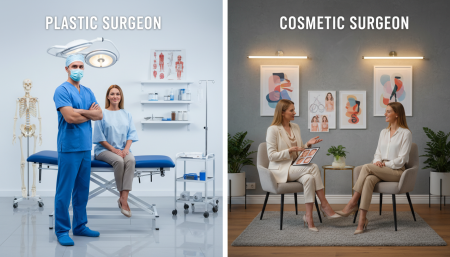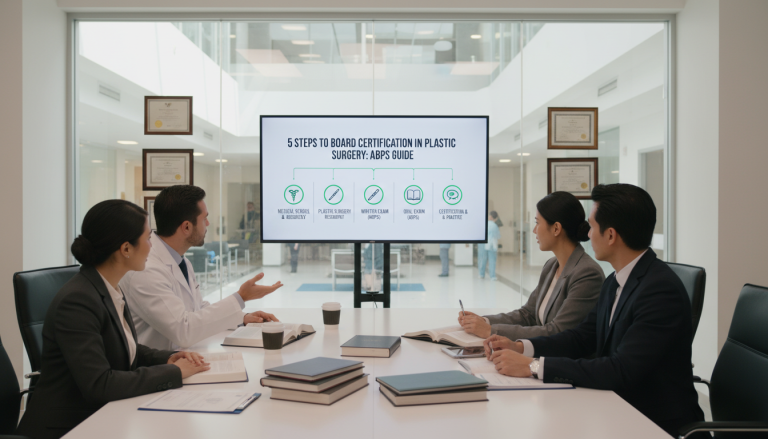
Ever wondered what makes a specialist stand out? Getting certified is a tough journey that shows real dedication. We’re here to guide you through the path to excellence in medicine.
This article is key for doctors and patients alike. It’s a abps guide that shows the high standards of the American Board of Plastic Surgery. Knowing these standards helps ensure patients get the best care.
We think being open about medical training builds trust. Looking into the 5 Steps to Board Certification in Plastic Surgery: ABPS Guide sheds light on the hard work needed. Let’s look at the key steps to becoming a surgical expert.
Key Takeaways
- Board certification is the top mark of surgical skill.
- The process makes sure doctors meet strict safety standards.
- Patients get top-notch care from this high training level.
- Getting certified builds trust between doctors and patients.
- Keeping up with education is key to staying at the top.
Understanding the Significance of ABPS Certification
We think plastic surgery board certification is the top mark in medicine for safety and skill. Getting this certification shows a surgeon’s strong dedication to being the best. It means they’ve done more than just meet basic medical standards.
This certification gives patients the confidence that their surgeon is top-notch. It shows they’ve passed tough, community-checked standards. Choosing a surgeon with plastic surgery board certification means picking someone who’s all about quality results.
Getting certified is hard and takes a lot of effort. It’s not just a one-time thing. It shows a surgeon keeps up with new medical discoveries. By focusing on plastic surgery board certification, we make sure our patients get the best care.
This certification is a sign of special training that keeps people safe. It helps patients feel sure and calm when choosing a doctor. We see it as key to giving top-notch surgery to everyone we help.
Educational Prerequisites for Aspiring Plastic Surgeons
The journey to becoming board certified plastic surgeon starts early. It begins with hard work in an accredited medical school. This step is key for learning the basics needed for advanced training.
Students must show they know their stuff in medical sciences. Knowing anatomy, physiology, and pathology well is very important. It helps them deal with the tough cases they’ll face later.
After school, the path to becoming board certified plastic surgeon demands a commitment to learning forever. Medicine changes fast, and surgeons need to keep up. They must always be ready to learn new things to care for their patients well.
Education is the first step to becoming a specialist. It lays the groundwork for the tough times ahead. We urge all future surgeons to see their education as a vital investment in their career.
Completing an Accredited Plastic Surgery Residency
To become a board certified plastic surgeon, one must commit to clinical excellence. After medical school, candidates start a long, intense training. This is key for turning book knowledge into real surgical skills.
This stage is the most critical in a surgeon’s career. Residents get real-world experience with expert mentors. They learn to handle all kinds of surgeries, from reconstructive to aesthetic.
The American Board of Plastic Surgery (ABPS) sets strict standards for training. These programs focus on keeping patients safe and improving surgical skills. This is the base for becoming board certified plastic surgeon. Here’s what these programs cover:
| Training Component | Primary Focus | Expected Outcome |
|---|---|---|
| Clinical Rotations | Patient assessment | Diagnostic accuracy |
| Surgical Skills | Technical execution | Procedural proficiency |
| Mentorship | Professional ethics | Clinical judgment |
| Case Logs | Volume and variety | Comprehensive experience |
This tough training makes sure surgeons can handle tough cases. Through lots of practice and checks, they get the skills needed for success.
The 5 Steps to Board Certification in Plastic Surgery: ABPS Guide
Understanding the steps to get certified is important for both future surgeons and patients. We see the path to becoming a board-certified plastic surgeon as a serious commitment to excellence. This 5 Steps to Board Certification in Plastic Surgery: ABPS Guide is the main guide for those on their professional journey.
The process checks if a surgeon is skilled, ethical, and can make good decisions. By following this abps guide, candidates go through different stages. Each stage makes sure they meet top national standards. Only those who are truly skilled get the board-certified title.
We think being open about these steps builds trust between surgeons and the public. The table below shows the main parts of the certification process for every candidate.
| Phase | Primary Focus | Goal |
|---|---|---|
| Eligibility | Education and Training | Verify foundational knowledge |
| Application | Formal Documentation | Validate professional standing |
| Written Exam | Cognitive Assessment | Test clinical knowledge |
| Case Logs | Clinical Experience | Review surgical practice |
| Oral Exam | Decision Making | Evaluate patient care skills |
These steps are not just formalities. They are a rigorous evaluation of a surgeon’s skills in complex medical situations. By going through these steps, surgeons show they care about patient safety and their own growth.
Step One: Meeting the Core Eligibility Requirements
Getting your eligibility right is key in the American Board of Plastic Surgery qualifications process. Before you start the formal application, check if your professional background meets the board’s high standards. This step is the base of your whole certification journey.
You need a valid, unrestricted medical license in the U.S. or Canada. You must show you’re in good standing with your local medical board. This proves you have the legal and ethical clearance to practice medicine safely.
Next, you must prove you’ve finished an accredited plastic surgery residency program. The board wants to see that you’ve completed all training hours and clinical rotations. Meeting these American Board of Plastic Surgery qualifications shows you have the needed hands-on experience for independent practice.
We suggest organizing your documents early to avoid delays. Having your credentials ready makes the application process smoother. By meeting these core benchmarks, you show you’re ready to provide top-notch surgical care.
Step Two: Submitting the Formal Application to the ABPS
The second step of the ABPS certification process is all about getting your professional stuff ready. You need to show you’re serious about getting certified. It’s important to be very organized and precise with this step.
When you put together your documents, pay close attention to every detail. Giving the right and full information helps your application go smoothly. Remember, clear and verified documentation is key to a good application.
After you send in your stuff, the board checks it all out. This check is a big part of the ABPS certification process. It makes sure you’re up to the standards of a plastic surgeon. Passing this step means you’re officially on your way to getting certified.
It’s a good idea to keep both digital and physical copies of your documents. This way, you can track your progress and get ready for the next steps in your career. Being proactive now keeps you moving forward towards your goals.
Step Three: Passing the Written Examination
The written examination is a key step to becoming a board-certified plastic surgeon. It checks your knowledge in all areas of plastic surgery. It makes sure you have the knowledge needed to care for patients safely and effectively.
This exam is a tough test within the board certified plastic surgeon requirements. It tests your knowledge of human anatomy, how the body works, and advanced surgery techniques. Passing it shows you’re ready to move on to the next step.
Preparing for this exam takes a lot of effort and focus. It covers many topics, from how to fix damaged tissues to the art of making patients look better. Success on this exam shows you know the important stuff about being great in this field.
Meeting these board certified plastic surgeon requirements is more than just passing a test. It shows your dedication to being the best in your field. After passing, you can start documenting your clinical experience. This is a big step for those who want to keep plastic surgery at a high standard in the U.S.
Step Four: Documenting Clinical Experience and Case Logs
A key part of becoming a board certified plastic surgeon is keeping detailed surgical case logs. These logs are a full record of your work during training and early years of practice. They show the board your real-world surgical experience.
These documents are key to proving your skill in different medical areas. The board checks this data to make sure you’ve done enough and varied surgeries. This step is to confirm you can handle different patient cases well before moving on.
To grasp the scope of what’s needed, here are the main types of procedures you must track. Meeting these board certified plastic surgeon requirements means being consistent and detailed in your residency and beyond.
| Procedure Category | Clinical Focus | Documentation Goal |
|---|---|---|
| Reconstructive Surgery | Trauma and congenital defects | Demonstrate technical skill |
| Aesthetic Surgery | Cosmetic enhancements | Show breadth of practice |
| Hand Surgery | Functional restoration | Verify specialized knowledge |
Keeping these logs is more than just paperwork; it shows your commitment to patient safety. By tracking your progress, you show you’re ready for the challenges of plastic surgery today. This step makes sure only the best get certified.
Step Five: Successfully Completing the Oral Examination
The oral exam is the last test of a surgeon’s skills. It’s a key part of becoming a board certified plastic surgeon. It checks if they can solve real-life patient problems.
Candidates face a panel of experts to explain their choices. They must show why they chose certain surgeries and care plans. It’s not just about remembering facts.
Passing this exam shows a surgeon can work well under pressure. It proves they can make safe and effective decisions. They have the judgment needed for plastic surgery.
Meeting these board certified plastic surgeon requirements gives patients confidence. It means their surgeon has met top standards. This step marks the surgeon as an expert in their field.
Navigating the American Board of Plastic Surgery Qualifications
We think it’s key to know about American Board of Plastic Surgery qualifications. This is for those who want to be surgeons and their patients. It makes sure every doctor is very skilled and follows the rules.
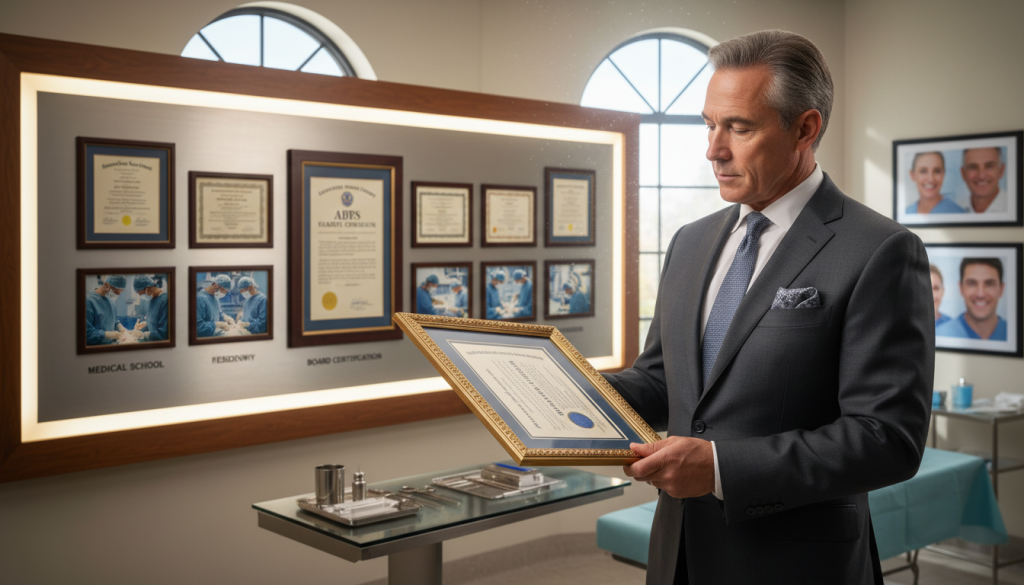
Getting to know plastic surgery board certification shows the hard work needed. A surgeon must be good at surgery and care about their patients. This helps people know who is a good doctor.
The table below shows what the board stands for:
| Pillar | Focus Area | Patient Benefit |
|---|---|---|
| Clinical Competence | Surgical proficiency | Improved safety outcomes |
| Ethical Standards | Professional conduct | Trust and transparency |
| Continuous Learning | Ongoing education | Modernized care techniques |
These standards are a vital benchmark for excellence in medicine. Choosing a surgeon who passed these tests means you’re getting the best care. We suggest checking these credentials to get the safest care.
Maintaining Certification Through Continuous Professional Development
Getting board certified is just the start for a surgeon. It’s a big step, but the real value comes from a lifelong commitment to learning. After passing the initial tests, surgeons must keep up with the latest in their field.
Surgeons must keep learning to stay at the top of their game. They need to know the newest techniques and safety rules. This way, they can give their patients the best care possible.
Surgeons also go through regular checks to make sure they’re up to date. These checks show that they’re always learning and improving. This builds trust with their patients and shows they’re committed to being the best.
| Development Area | Frequency | Primary Goal |
|---|---|---|
| Clinical Education | Annually | Update surgical skills |
| Safety Protocols | Bi-annually | Enhance patient protection |
| Periodic Assessment | Every 10 Years | Verify core competency |
This cycle of learning keeps plastic surgery moving forward. It shows a surgeon’s dedication to improvement. By focusing on these ongoing needs, surgeons keep their patients safe and the profession respected.
The Role of Ethics and Professionalism in Certification
Ethics and professionalism are key for every surgeon who gets certified. While knowing how to do surgery is important, being a good person is just as important. These values are at the heart of the board certified plastic surgeon requirements that candidates must meet.
The board checks how a surgeon deals with tough choices. They look for honesty, openness, and a strong focus on patient care. A surgeon must always put patient safety first.
Being professional also means how a surgeon talks to their team and patients. Keeping high standards of integrity makes patients feel valued and safe. These board certified plastic surgeon requirements help keep the public’s trust in doctors by only certifying those who are ethical.
We have a clear way to check these traits to keep standards the same everywhere. The table below shows the main areas where ethics are judged during the certification process:
| Evaluation Area | Focus of Assessment | Expected Outcome |
|---|---|---|
| Patient Advocacy | Prioritizing patient needs | Informed consent and safety |
| Professional Conduct | Interactions with staff | Collaborative environment |
| Ethical Integrity | Honesty in reporting | Transparent medical records |
The certification process aims to protect the public by making sure surgeons are skilled and caring. By meeting these board certified plastic surgeon requirements, doctors show they are committed to the best in medicine. We are dedicated to keeping these standards high so every patient gets the care they need.
Common Challenges During the Certification Process
Going through the ABPS certification process is tough. It needs careful planning and a lot of effort. Becoming a board-certified plastic surgeon is a big challenge, even for the most dedicated.
Candidates face many hurdles. These include the stress of big exams and the detail needed in clinical documents. It’s hard to balance studying and surgery, but knowing the problem is the first step to solving it.
See these challenges as a way to make sure patients are safe and get the best care. By staying focused and organized, you can handle the ABPS certification process well.
| Challenge | Primary Impact | Recommended Strategy |
|---|---|---|
| Time Management | Study and clinical balance | Create a structured calendar |
| Documentation | Case log accuracy | Update records weekly |
| Exam Anxiety | Performance pressure | Utilize peer study groups |
| ABPS certification process | Overall navigation | Review official guidelines |
Resources for Candidates Preparing for ABPS Exams
We believe every candidate should have top-notch resources to succeed. Preparing for board exams is a big step that needs focus and a plan. A good abps guide helps you organize your study and focus on key topics.
Choosing the right study materials is key. Official board publications are best because they give you the latest on what the board expects. Adding current research to your studies keeps your knowledge up-to-date with plastic surgery’s latest.
Creating a solid study plan is vital. It helps you handle all the information needed for certification. Many pass by sticking to a schedule. A reliable abps guide is a must for your success.
| Resource Type | Primary Benefit | Recommended Usage |
|---|---|---|
| Official ABPS Manuals | Regulatory clarity | Initial review phase |
| Peer-Reviewed Journals | Evidence-based practice | Ongoing study sessions |
| Clinical Case Logs | Practical application | Exam preparation |
| Professional Networks | Mentorship support | Throughout the process |
Your prep should be as detailed as your clinical work. Using these resources, you’re ready for the board’s high standards. We’re here to help you on your way to this important achievement.
Why Patients Should Seek a Board Certified Plastic Surgeon
Choosing a surgeon is a big decision that affects your safety and health. By choosing a plastic surgery board certified surgeon, you show you care about your well-being. This certification means your surgeon has met high standards, more than just a medical license.
Certification shows a surgeon’s deep training, lots of experience, and commitment to ethics. Picking a certified surgeon means you know your procedure is in good hands. This process is in place to keep patients safe and ensure great results.
Patients feel more at ease when they know about the plastic surgery board certification process. It’s not just a title; it’s years of hard work and success in surgery. We suggest checking these credentials to get the safest care.
| Feature | Board Certified Surgeon | Non-Certified Practitioner |
|---|---|---|
| Specialized Training | Mandatory residency in plastic surgery | Varies significantly |
| Safety Standards | Strict adherence to ethical guidelines | Often lacks oversight |
| Credentialing | Verified plastic surgery board certification | General medical license only |
| Patient Safety | High priority with peer review | Variable and inconsistent |
Ensuring Long Term Excellence in Surgical Practice
Becoming a board certified plastic surgeon is a big step. It shows a deep commitment to keeping patients safe and surgeries precise. This hard path makes sure every doctor keeps the highest care standards all their career.
Choosing a surgeon who has met these high standards is key. It means you’re putting your health first and aiming for the best results. The American Board of Plastic Surgery sets a high bar. It protects the public and raises the whole medical field.
At Acıbadem Healthcare Group, we support clear and top-notch care in every surgery. We urge you to check credentials and ask questions during your visits. This way, you can make sure you’re making the right choice for your body and future.
Starting your wellness journey means picking a skilled doctor. We encourage you to share this guide with others who care about safety and professionalism in plastic surgery. Together, we can build a world of excellence in care for everyone.
FAQ
Q: What are the foundational American Board of Plastic Surgery qualifications for candidates?
A: To start, candidates must have graduated from an accredited medical school and hold a valid medical license. They also need to complete a detailed, multi-year residency in plastic and reconstructive surgery. This is a key part of the American Board of Plastic Surgery qualifications.
Q: Why is plastic surgery board certification considered a hallmark of excellence?
A: At Acıbadem Healthcare Group, we see plastic surgery board certification as more than a badge. It shows a surgeon has met the highest global standards. This ensures patient safety and precise surgery.
Q: What does the ABPS certification process entail regarding examinations?
A: The ABPS certification process has two stages. First, candidates take a written examination to test their knowledge and anatomy skills. Then, they face an oral examination. Here, they defend their surgical choices and case management to a panel of experts.
Q: What are the specific board certified plastic surgeon requirements for clinical experience?
A: Requirements go beyond education and exams. Board certified plastic surgeon requirements include showing extensive clinical experience. Candidates must provide detailed case logs of their surgeries. This proves they can handle complex cases.
Q: Is becoming a board certified plastic surgeon a one-time achievement?
A: No, becoming a board certified plastic surgeon is a lifelong journey. Surgeons must keep learning and undergo regular checks. This keeps them up-to-date with the latest in medicine and ethics.
Q: How can patients use the ABPS guide to make informed healthcare decisions?
A: The ABPS guide helps patients check a surgeon’s qualifications. Choosing a certified surgeon means they have the right training and ethics. This ensures a good outcome for patients.
Q: What role do ethics play in the certification of a plastic surgeon?
A: Our evaluation focuses on ethics and professionalism. We review a surgeon’s moral character and commitment to patient advocacy. We believe skill must always be matched with integrity to protect patients.