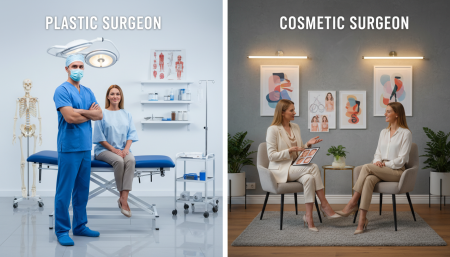
Ever felt lost when reading a medical report or talking to a specialist? The world of aesthetic medicine can be tough to understand. We get it; clinical terms can block your way in your health journey. We want to make these complex terms easier for you. This 7 Alternative Terms for Plastic Surgery: Complete Synonym Guide is here to help. It’s a key tool for your health research. We’re here to connect the dots between medical talk and what you know.
By explaining these terms, we give you the power to choose wisely about your health. Clear talk is key to good results. Let us guide you through these medical ideas with clarity and precision.
Key Takeaways
- Medical terms can confuse patients during visits.
- Knowing these terms helps you make smarter health choices.
- We offer clear definitions to connect doctors and patients.
- Having reliable, simple info empowers you.
- This guide is your companion on your aesthetic health path.
Understanding the Nuances of Surgical Terminology
Medical terms are not just words; they are key to keeping patients safe. In surgery, the words used are very important. They help everyone know what the goal of the surgery is.
Learning these differences is important for patients. It lets them talk clearly with their surgical team. This way, they can share their wishes and worries more effectively.
Professional terms help keep care safe and consistent. When a surgeon uses a certain term, it means they follow a set way of treating and healing. Matching your hopes with these medical terms helps make your surgery go smoothly.
Talking clearly avoids mistakes that could harm your health. We suggest asking about any terms you don’t understand. Knowing more makes you a better part of your care team. This leads to better choices and happiness with your treatment.
The 7 Alternative Terms for Plastic Surgery: Complete Synonym Guide
We believe clear communication is key to great patient care. This starts with the words we use for procedures. Our complete synonym guide helps you understand these terms easily.
Knowing what each term means helps you talk better with your doctors. It lets you make smart choices about your health and looks. Here are the 7 Alternative Terms for Plastic Surgery you might see when looking into options.
Each term has its own meaning, from fixing problems to making you look better. Knowing these differences helps you match what you want with what your surgeon can do. We’ve sorted these terms to show how they vary in practice.
| Term | Primary Focus | Clinical Goal | Common Usage |
|---|---|---|---|
| Cosmetic Surgery | Aesthetic Enhancement | Improve Appearance | Elective Procedures |
| Aesthetic Surgery | Physical Refinement | Balance and Symmetry | Facial/Body Contouring |
| Reconstructive Surgery | Restoring Function | Repairing Tissue | Trauma/Birth Defects |
| Body Contouring | Silhouette Sculpting | Fat/Skin Removal | Post-Weight Loss |
| Elective Surgery | Patient Choice | Personal Preference | Non-Urgent Care |
| Plastic Surgery | Broad Discipline | Form and Function | Comprehensive Care |
| Beauty Enhancement | Visual Improvement | Confidence Boost | Minor Procedures |
This complete synonym guide is a key tool for your medical journey. Use it to talk better with your doctors. We want you to feel supported and informed at every step.
Cosmetic Surgery: Focusing on Aesthetic Enhancement
Cosmetic surgery is about making you look better, not fixing health problems. It uses surgery and medicine to change how you look. The main goal is to make you look the way you want.
These surgeries are done on parts of the body that work fine. They’re not to fix a health issue. Instead, they change your body to look better. People choose to do this for themselves, wanting to feel better about their looks.
It’s key to know cosmetic surgery is different from surgeries needed for health reasons. Cosmetic surgery is about feeling good and looking good. Before getting any surgery, think about what you want to achieve.
| Feature | Cosmetic Surgery | Reconstructive Surgery |
|---|---|---|
| Primary Goal | Aesthetic Improvement | Functional Restoration |
| Nature of Procedure | Elective | Medically Necessary |
| Body Area | Normally Functioning | Impaired or Damaged |
Knowing the difference helps you make better choices about your health. Being clear about cosmetic surgery helps you talk better with your doctors. Always think about your safety and health when considering changes to your body.
Aesthetic Surgery: The Art of Physical Refinement
Aesthetic surgery is where medical skill meets art. It’s not just another surgery field. It’s all about making the human body look better while keeping it unique.
Surgeons in this field use their knowledge to make things look right. They aim for a harmonious look that fits the patient’s dream. They study the body to make sure the results look natural and fresh.
Success in aesthetic surgery comes from working together. The patient and surgeon must talk clearly. This way, the surgeon can meet the patient’s beauty goals.
This field needs a lot of training. Surgeons learn complex skills to keep patients safe and happy. Aesthetic surgery helps people feel better about themselves through careful, expert care.
Reconstructive Surgery: Restoring Function and Form
Reconstructive surgery is a key medical field. It aims to fix both the look and function of our bodies. These surgeries help fix issues from birth, growth problems, injuries, infections, or diseases.
The main goal is to restore normal function. This helps patients live better lives. By fixing physical problems, people can do everyday tasks easily and feel confident.

It’s important for patients to understand reconstructive surgery. Knowing about these surgeries helps manage what to expect during recovery. We aim to explain these complex topics clearly and warmly.
Patients need to know the difference between surgery types. This helps with insurance and planning. Insurance providers often prioritize functional restoration. We suggest talking openly with your medical team for a clear treatment plan.
| Focus Area | Primary Goal | Typical Cause |
|---|---|---|
| Functional Restoration | Improving body mechanics | Trauma or injury |
| Congenital Correction | Addressing birth defects | Developmental factors |
| Disease Management | Removing damaged tissue | Infection or illness |
Plastic and Reconstructive Surgery: The Combined Discipline
Plastic and reconstructive surgery is unique because it focuses on both function and form. It helps doctors treat a wide range of health issues. This way, they can fix and improve how things look and work.
This field is very flexible. Doctors here can handle everything from fixing injuries to making people look better. They give patients a full care plan for their health and looks.
Choosing a plastic and reconstructive surgery expert means you get someone who knows a lot about the body. They make sure you’re safe and aim for the best results. They balance fixing things and making them look good.
This skill is important for patients. It shows how well medical teams work together. Whether it’s fixing an injury or changing how you look, plastic and reconstructive surgery has a solution. We think knowing this helps patients make better choices for their health.
Elective Surgery: Understanding Patient Choice
Understanding elective surgery is key in your healthcare journey. Many think it means only cosmetic or optional procedures. But, elective surgery is any operation planned ahead, not an emergency.
It covers many procedures, like joint replacements and tumor removals. These are planned, so you and your doctors can prepare well. Proper preparation is key for a good outcome and getting your body ready.
Having elective surgery means you have time to prepare. You can plan for care after, talk to your employer, and discuss health with your surgeon. Seeing it as a proactive step towards health can reduce stress.
Knowing the terms can give you peace of mind. Whether it’s for looks or function, knowing it’s planned helps you focus on recovery. We’re here to support you, making sure you’re informed, confident, and cared for every step of the way.
Beauty Enhancement: Beyond the Operating Room
Modern aesthetic medicine offers many ways to enhance beauty without surgery. While surgery is key, many now choose less invasive methods. These options allow for small changes that meet personal beauty goals.
We offer treatments like dermal fillers, neurotoxins, and skin resurfacing. These help boost self-image without long recovery times. Your comfort and safety are our top priorities, with each procedure done with great care.
We make sure you know the risks and benefits of any beauty enhancement. Even non-surgical treatments need careful thought. Talk to our team about your medical history and what you hope to achieve.
Our goal is to help you make informed choices in a safe space. Whether you want small changes or big ones, beauty enhancement should be in expert hands. We’re here to support you every step of the way, with honesty and care.
Body Contouring: Sculpting the Human Silhouette
Body contouring is a way to shape your body after losing a lot of weight. It removes extra skin and fat to make your body look better. Knowing about these methods is the first step to reaching your beauty goals.
Many people want body contouring to get rid of fat that diet and exercise can’t touch. Surgeons can make your skin look better and your body more balanced. They tailor the treatment to fit your body perfectly.
Recovery is key after surgery. It’s important to follow your doctor’s advice to heal right. Your health is our main concern, from the first meeting to when you see your new look.
The table below shows the areas treated in body contouring. It helps you see how it can change your look.
| Target Area | Primary Goal | Common Procedure |
|---|---|---|
| Abdomen | Flattening and tightening | Abdominoplasty |
| Upper Arms | Reducing sagging skin | Brachioplasty |
| Thighs | Improving contour and tone | Thigh Lift |
| Back | Smoothing skin folds | Back Lift |
Learning about body contouring helps you make smart choices. Talk to a skilled surgeon about what you want. Good communication makes your journey to a better body safe and fulfilling.
Differentiating Between Reconstructive and Cosmetic Procedures
It’s important to know the difference between reconstructive and cosmetic procedures. Both are part of plastic surgery, but they have different goals. Understanding this helps you make better choices for your body and health.
Reconstructive surgery aims to fix problems caused by injury, disease, or birth defects. It’s about fixing things that make daily life hard. For instance, it might fix a cleft palate or repair tissue after a mastectomy.
Cosmetic surgery, or aesthetic surgery, is about looking better. It’s not needed for health reasons but can make you feel more confident. It’s all about improving how you look.

Knowing the difference is also key when dealing with insurance. Insurance usually pays for reconstructive surgery because it fixes health problems. But cosmetic surgery is usually not covered because it’s a choice for looks.
| Feature | Reconstructive Surgery | Cosmetic Surgery |
|---|---|---|
| Primary Goal | Restore function | Enhance appearance |
| Medical Necessity | Usually required | Elective |
| Insurance Coverage | Often covered | Rarely covered |
We’re here to help you understand these differences. Whether you want to look better or need a fix for a health issue, knowing why you’re getting surgery is key. It’s the first step to a good outcome.
The Role of Board Certification in Surgical Terminology
Understanding the importance of board certification is key to safe medical care. This credential shows a surgeon has done extensive training. It means they are committed to the highest patient safety and care standards.
Board certification means a surgeon has gone beyond basic medical practice. They have mastered complex surgeries and know precise operating room terms. This knowledge ensures your consultation is based on accurate, evidence-based communication.
Professional credentials also protect against unethical practice. A board-certified surgeon follows strict codes that put your health first. Choosing a qualified surgeon means you get honest and transparent care.
We advise patients to check their doctor’s credentials before any procedure. You should ask about their training, board status, and experience. This step is key to getting top-notch care that meets your needs.
| Feature | Board-Certified Surgeon | Non-Certified Practitioner |
|---|---|---|
| Specialized Training | Extensive, verified residency | Limited or general training |
| Safety Standards | Strict adherence to protocols | Variable compliance |
| Ethical Oversight | Mandatory professional board review | Minimal external accountability |
| Terminology Accuracy | High clinical precision | Potential for inconsistent usage |
The language used in your surgical journey should be clear and professional. Surgeons with board certification can explain complex procedures simply. This clarity helps you make informed decisions and feel confident during your treatment.
How Medical Language Impacts Patient Consultations
We think that using the right words helps meet patient goals and surgical results. Clear talk is key for a good medical experience. It makes sure the patient and doctor are on the same page. This way, we avoid misunderstandings during your first meeting.
We focus on open talks. Feel free to ask about any unclear terms. This openness builds trust and shows we care. Knowing the specific words for your procedure helps you take a bigger role in your care.
Empowerment through education is what we stand for. We make complex terms simple to help you feel more in control. Whether it’s about hirursko uklanjanje tumora ishodi i ocekivanja or cosmetic improvements, we aim for clarity.
We see your consultation as a team effort. By avoiding hard-to-understand words, we focus on your worries. This makes you feel more at ease and helps your recovery go smoothly.
Navigating Insurance Coverage Based on Surgical Definitions
Understanding insurance policies can be tough, with surgical definitions adding to the challenge. The type of medical procedure affects your insurance claim. Knowing these details helps manage your costs better.
Insurance plans usually split procedures into medically necessary and elective cosmetic ones. Medically necessary procedures fix functional issues, chronic pain, or health problems. On the other hand, elective surgeries aim to enhance looks and are often not covered.
Before talking money, check your policy’s “Summary of Benefits” document. Look for terms like reconstructive versus cosmetic surgery. If unsure, call your insurance to ask about benefits.
Talk openly with your doctor about your symptoms and how they affect you. Your surgeon’s notes are key for your insurance claim. Sharing your medical history helps your doctor fight for your coverage.
| Procedure Type | Primary Goal | Insurance Status |
|---|---|---|
| Reconstructive | Restore function | Often covered |
| Medically Necessary | Treat health issue | Usually covered |
| Elective Cosmetic | Aesthetic change | Rarely covered |
| Combined | Functional & Aesthetic | Partial coverage |
We want to make this complex easier for you. Stay informed and proactive to navigate your insurance journey smoothly. Keep all your insurance documents for your records.
The Evolution of Surgical Language in Modern Media
Media often mixes up real medical facts with what’s trendy. TV shows, social media stars, and online news make big surgeries seem easy. This can make people think of serious surgeries as just a part of life.
We think it’s key to keep medical talk real and separate from entertainment. When surgery terms are used wrong in pop culture, it can set up wrong hopes for patients. Accurate medical communication is what we aim for, giving you facts not trends.
We want you to be smart about what you read and watch. Stick to expert advice to get the real scoop on surgery risks and benefits. We’re here to help you tell real medical facts from media myths.
The table below shows the gap between what media says and what’s really true. It helps you understand the difference:
| Media Terminology | Clinical Reality | Patient Consideration |
|---|---|---|
| “Quick Fix” | Surgical Procedure | Requires recovery time |
| “Lunchtime Procedure” | Aesthetic Intervention | Involves medical risks |
| “Perfect Transformation” | Physical Refinement | Results vary by anatomy |
Your health choices should always be made with a doctor’s advice. Don’t just follow what’s in the news. Informed decision-making is the best way to get good results from surgery.
Choosing the Right Terminology for Your Surgical Journey
Choosing the right words is the first step to a successful surgery. Clear talk helps you share your goals with your doctors. It makes sure you know all your options at Acıbadem Healthcare Group.
Understanding these terms boosts your confidence in talks with doctors. You learn how certain words shape your care plan. This knowledge helps you ask better questions during your visits.
We’re here to support your health and wellbeing at every step. Our experts guide you through your journey to better health. Contact our specialists for a personalized consultation today.
FAQ
Q: What are the primary terms found in a complete synonym guide for plastic surgery?
A: We use many terms to talk about different surgeries. Our guide covers 7 key terms for plastic surgery. These include cosmetic, aesthetic, reconstructive, and elective surgeries. We also use terms like beauty enhancement and body contouring. Knowing these terms helps you talk better with our team at Acıbadem Healthcare Group.
Q: How do we distinguish between cosmetic surgery and aesthetic surgery?
A: Cosmetic surgery mainly aims to improve how you look. It focuses on body parts that work well. Aesthetic surgery, on the other hand, is about making your body look balanced and natural. It’s about achieving a look that fits your personal style.
Q: What is the main goal of undergoing reconstructive surgery?
A: Reconstructive surgery fixes body problems caused by birth defects, injuries, or diseases. It’s not just about looks. Its main goal is to make your body work better and improve your life.
Q: Why is the specialty often referred to as plastic and reconstructive surgery?
A: This name shows it’s about both looks and function. Our surgeons can handle many things, from fixing injuries to making you look better. They use their skills to meet both medical needs and your desire for beauty.
Q: Does elective surgery only refer to procedures that are not medically necessary?
A: No, it’s not just about looks. Elective surgery means it’s planned ahead, not an emergency. This includes both cosmetic and some medical surgeries, like some reconstructive ones, that need planning.
Q: What should I expect when considering beauty enhancement or body contouring?
A: Beauty enhancement includes many treatments, like injectables, to boost your self-image. Body contouring is surgery to change your shape, often after losing a lot of weight. It aims to improve your skin and body shape.
Q: Why is board certification important when selecting a surgeon at Acıbadem Healthcare Group?
A: Board certification shows a surgeon is well-trained and follows strict safety rules. At Acıbadem Healthcare Group, we value this to ensure top-notch care. It also means we use terms correctly and ethically when talking about your surgery.
Q: How does surgical terminology impact my insurance coverage?
A: Insurance rules depend on if a surgery is needed to fix a problem or just for looks. We explain these rules clearly. This helps you understand your insurance and the costs of your surgery.