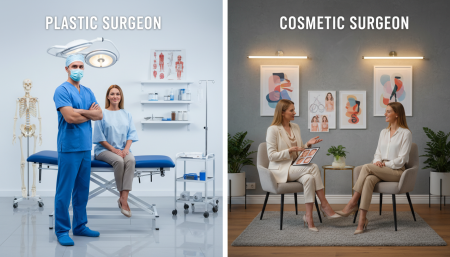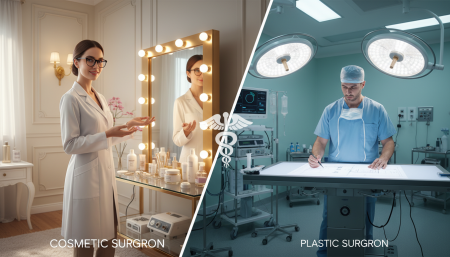
Ever thought about how easy it could be to boost your self-confidence and fix physical issues? Many see plastic surgery as just for looks. But, it’s really a key part of today’s medicine.
This field is all about fixing physical problems and making you look better. It helps with birth defects or just to feel better about yourself. We want to give you the info you need to understand your choices clearly.
Learning about these surgeries is the first step to making a smart health choice. Some people want to look better, while others need surgery for health reasons. Like those needing a surgical tumor removal recovery guide to live better. We’re here to help you with our knowledge and care.
Key Takeaways
- This medical field balances reconstructive needs with aesthetic goals.
- Patient education is essential for a successful and confident experience.
- Procedures can address both functional impairments and personal appearance.
- Institutional expertise ensures safety and high-quality clinical outcomes.
- Informed decisions lead to better long-term health and satisfaction.
Defining the Scope of Plastic Surgery
We see plastic surgery as a special medical field. It deals with the body’s shape and how it works. It’s not just about looks; it’s about making the body better.
Our aim is to make life better for our patients. We fix physical problems and improve looks.
This field needs a lot of training and skill. Surgeons must know both science and art. This way, they can give the best results.
Knowing about plastic surgery helps patients. They see the high standards we follow.
Our work falls into two main areas. These areas often mix in real life. Whether it’s a birth defect or a personal wish, we’re precise and safe.
The table below shows the main differences between these areas.
| Feature | Reconstructive Surgery | Cosmetic Surgery |
|---|---|---|
| Primary Goal | Restoring normal function | Enhancing aesthetic appearance |
| Medical Necessity | Often medically required | Elective personal choice |
| Focus Area | Correcting defects or injuries | Refining body contours |
| Insurance Coverage | Frequently covered | Rarely covered |
We think informed patients are better off. Plastic surgery can help health and confidence. We’re here to guide you every step of the way.
Understanding the Distinction Between Reconstructive and Cosmetic Procedures
Reconstructive surgery aims to fix body parts damaged by injury, disease, or birth defects. It’s about making things work right again. Cosmetic surgery, on the other hand, is about looking better. It’s about making you look the way you want.
When you look for Cosmetic Surgery Information, you want to change how you look. These changes are not always needed but are chosen for personal reasons. Both types of surgery need careful planning and follow strict safety rules.
Why people choose these surgeries is very different. Reconstructive surgery is often needed to fix a problem. Cosmetic surgery is about wanting to look better. Knowing this helps you talk better with your doctor and know what to expect.
Here’s a simple guide to help you decide what’s best for you:
| Feature | Reconstructive Surgery | Cosmetic Surgery |
|---|---|---|
| Primary Goal | Restore function and form | Enhance aesthetic appearance |
| Medical Necessity | Usually medically required | Elective and personal choice |
| Focus Area | Correcting defects or injuries | Refining body or facial features |
| Patient Motivation | Health and functional recovery | Personal satisfaction and confidence |
| Information Source | Clinical medical guidance | Cosmetic Surgery Information |
What Is Plastic Surgery? Types, Benefits & Recovery
Exploring what is plastic surgery reveals a field focused on improving the body. It’s not just about looks; it also fixes functional issues. This knowledge helps us support patients in their health and confidence journey.
There are many types of plastic surgery today. They range from small facial tweaks to big body changes. Each one is tailored to meet a person’s unique health goals, making care both personal and effective.
These surgeries offer more than just physical changes. They can greatly improve a person’s life, from how they move to how they feel about themselves. Recovery times vary, but we aim to guide patients smoothly through the healing process.
| Category | Primary Goal | Common Focus Area |
|---|---|---|
| Facial Surgery | Structural refinement | Nose, eyelids, and jawline |
| Body Contouring | Tissue reshaping | Abdomen, thighs, and arms |
| Reconstructive | Functional restoration | Scar tissue and injury repair |
| Skin Procedures | Surface rejuvenation | Dermal texture and tone |
Choosing the right surgery is all about understanding your needs. We urge patients to learn about the types of plastic surgery during their first meetings. By focusing on education and realistic hopes, we aim for positive results for our patients.
Common Reconstructive Procedures and Their Medical Necessity
When injury or illness hits the body, plastic surgery procedures help heal and restore normalcy. These surgeries are not just for looks. They aim to fix physical function and integrity. They are vital medical care that helps patients live better after health setbacks.
Reconstructive surgery is needed for trauma, cancer, or birth defects. It repairs damaged tissues and structures. This way, surgeons help patients move and feel better in their daily lives. It’s all about making the body work right again.
The effects of plastic surgery procedures go beyond the body. Many patients feel better mentally as their bodies heal. We focus on each patient’s needs, making sure they get the care they need. This care supports their emotional health too.
| Procedure Type | Primary Purpose | Medical Necessity |
|---|---|---|
| Breast Reconstruction | Restoring breast shape | Post-mastectomy recovery |
| Skin Grafting | Repairing damaged skin | Severe burns or trauma |
| Cleft Lip Repair | Correcting facial structure | Congenital condition |
| Hand Surgery | Restoring dexterity | Injury or nerve damage |
Deciding to have these plastic surgery procedures is a big step. Our team explains the goals and what to expect. We combine medical skill with caring to fix both how the body looks and works.
Popular Cosmetic Surgery Procedures for Facial Enhancement
Facial surgery aims to enhance your natural features for a balanced look. We focus on procedures that respect your unique anatomy and meet your aesthetic goals. This ensures changes are subtle and true to your identity.
Rhinoplasty, or nose reshaping, is a top choice. It changes the bone and cartilage to improve the nose’s function and look. Even small changes can greatly enhance facial balance.

Blepharoplasty is another popular option, focusing on the eyelids. As we age, the eyelids can look tired or heavy. This surgery removes excess tissue for a more alert, youthful look. It’s important to preserve natural eyelid function.
Every face is unique, making it key to understand your anatomy and skin quality. We aim for natural-looking results that reflect your heritage and personality.
| Procedure | Primary Focus | Typical Benefit |
|---|---|---|
| Rhinoplasty | Nasal Structure | Improved Facial Symmetry |
| Blepharoplasty | Eyelid Tissue | Reduced Tired Appearance |
| Facelift | Lower Face/Neck | Tightened Skin Contour |
| Otoplasty | Ear Positioning | Enhanced Ear Proportion |
Choosing the right facial enhancement requires clear communication with a professional. We focus on long-term aesthetic harmony. This ensures you’re confident in your decision for these transformative options.
Body Contouring and Sculpting Options
When diet and exercise aren’t enough, body contouring can help. These Plastic Surgery Procedures reshape specific body areas. They help patients achieve a look that shows their hard work. Many people choose these options after losing a lot of weight or to get rid of stubborn fat.
Liposuction is a common method to remove fat from certain areas. Surgeons use a special device to suck out fat from places like the belly, thighs, or arms. This makes body shapes more balanced, but it’s not for losing weight.
Abdominoplasty, or tummy tuck, is another popular choice. It removes extra skin and tightens muscles in the belly. People who have seen big changes in their midsection often choose this to get a firmer, more toned look.
Choosing the right Plastic Surgery Procedures depends on your body and what you want. We focus on safety and clear talks to make sure you know what to expect. Getting a better body shape can really boost your confidence and happiness.
| Procedure | Primary Goal | Target Area |
|---|---|---|
| Liposuction | Fat Removal | Thighs, Arms, Hips |
| Abdominoplasty | Skin Tightening | Abdomen |
| Body Lift | Skin/Fat Removal | Multiple Areas |
Learning about these Plastic Surgery Procedures is the first step. We want you to talk about your concerns during a consultation. This way, we can find the best option for your body. Our goal is to help you feel good in your own skin.
The Psychological and Physical Benefits of Plastic Surgery
Plastic surgery benefits go beyond just looks. They also bring mental and functional gains. Many start for looks, but the confidence boost is the real win.
Choosing surgery is a personal choice. We meet both physical and emotional needs. This way, we help people feel like themselves on the outside.
Many see a big jump in self-esteem and life quality after surgery. Less discomfort means more confidence to join in. These plastic surgery benefits lead to a happier, more positive life.
The table below shows where patients often see big changes after surgery.
| Benefit Category | Physical Impact | Psychological Impact |
|---|---|---|
| Self-Perception | Enhanced body symmetry | Increased self-confidence |
| Functional Health | Improved mobility or breathing | Reduced daily anxiety |
| Quality of Life | Correction of physical strain | Greater social engagement |
| Overall Wellness | Long-term aesthetic results | Improved emotional stability |
Our aim is to offer care that respects each patient’s path. We focus on both body and mind. This way, the plastic surgery benefits last and mean a lot to each person we help.
Navigating the Consultation Process
The consultation process is the first step in your surgical journey. It’s where we look at your health history and talk about what you want from surgery. We make sure your hopes match what’s possible in a medical sense.
In this meeting, we explain what you’ll go through, including detailed physical checks. These exams help us figure out the best way to meet your needs. It’s like researching a biopsy procedure to know what to expect.
We talk openly about what results you might see and any limits. This teamwork helps us create a personalized treatment plan that focuses on your safety and happiness. We answer your questions so you’re ready to move forward.
Our team works to make you feel heard and supported. We blend our medical knowledge with your goals to create a plan that respects your health and beauty wishes. This partnership is essential for a successful surgery.
Understanding Plastic Surgery Costs and Insurance Coverage
Knowing what your procedure will cost is a key part of your journey. We aim to be clear so you can make informed choices about your health. When looking at Plastic Surgery Costs, it’s important to know the difference between cosmetic and reconstructive surgeries.
Reconstructive surgery fixes problems caused by injury, disease, or birth defects. It’s often covered by insurance because it’s needed for health reasons. But, what’s covered can change a lot, so always check your insurance first.
Cosmetic surgeries, on the other hand, are for looks, not health. They usually cost you out-of-pocket because insurance doesn’t cover them. To manage your Plastic Surgery Costs, look at all the fees, like the surgeon’s, anesthesia, and facility costs.
| Cost Factor | Cosmetic Procedure | Reconstructive Procedure |
|---|---|---|
| Primary Goal | Aesthetic Improvement | Functional Restoration |
| Insurance Coverage | Rarely Covered | Often Covered |
| Financial Responsibility | Patient Out-of-Pocket | Shared with Insurance |
Talk about money during your first meeting. Our team will give you a clear cost breakdown for your plan. Knowing the costs upfront lets you focus on healing and looking great without worry.
Assessing Plastic Surgery Risks and Complications
We believe in being open about plastic surgery risks to keep patients safe. Every surgery has risks that patients should know before they start. Our medical teams make sure you understand everything, so you feel ready and confident.
People often worry about reactions to anesthesia, infections, or problems with healing. These issues are rare, but we do everything we can to avoid them. Our team uses the latest technology and strict cleanliness rules to keep you safe.
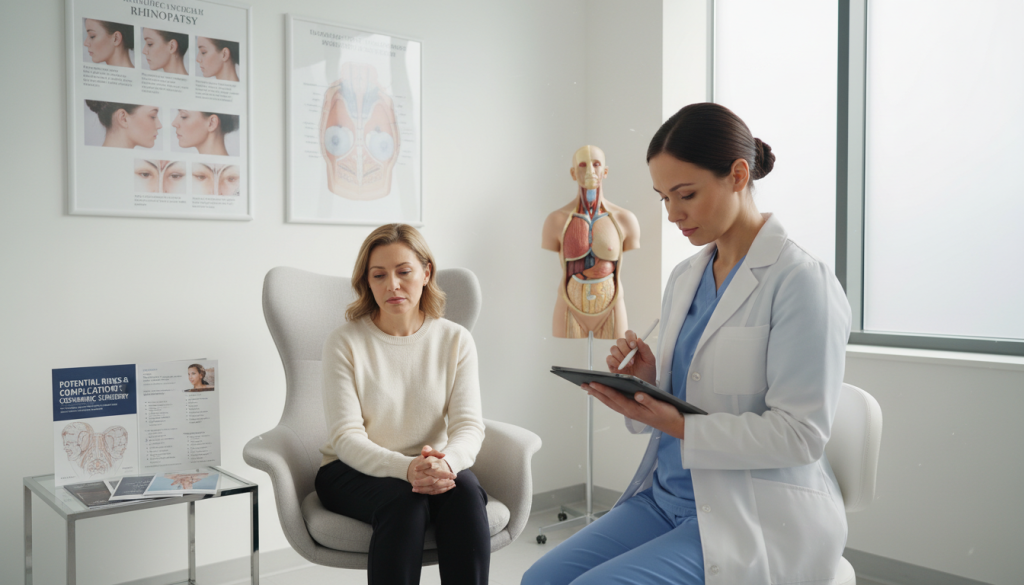
Your safety is our top concern at every step. We teach you how to spot problems early, like too much swelling or pain. Knowing about plastic surgery risks helps you help yourself recover better and succeed in the long run.
| Risk Category | Mitigation Strategy | Patient Responsibility |
|---|---|---|
| Anesthesia Reaction | Pre-operative health screening | Disclose all medications |
| Infection | Sterile surgical environment | Follow wound care instructions |
| Healing Issues | Advanced suturing techniques | Avoid smoking and heavy lifting |
| Scarring | Strategic incision placement | Use recommended scar treatments |
Preparing for Your Surgical Procedure
Starting your surgical journey early is key. Proper preparation ensures a smooth recovery and great results. Taking steps before surgery helps your body heal better.
Lifestyle adjustments are vital. Quitting smoking at least four weeks before is essential. Smoking harms blood flow and healing. Eating well, with lots of protein and vitamins, also aids recovery.
Managing your medications is also important. Avoid supplements like herbal remedies and fish oil. They can increase bleeding risks. We give you a list of medications to avoid, including aspirin and ibuprofen.
We’ve outlined key areas to focus on in the table below. Following these steps will make you feel ready for your surgery.
| Category | Action Required | Timeline |
|---|---|---|
| Smoking Cessation | Stop all nicotine products | 4 weeks pre-op |
| Medication Review | Avoid blood thinners | 2 weeks pre-op |
| Hydration | Increase water intake | 1 week pre-op |
| Physical Activity | Light walking only | Day before surgery |
Being mentally and physically ready is as important as medical prep. Arrange for someone to help you at home. A comfortable home environment helps you rest and heal well.
The Plastic Surgery Recovery Timeline
Your journey to full health starts right after your surgery. This is the beginning of your plastic surgery recovery. Everyone heals differently, but most follow a similar path. Knowing these stages helps you get your home ready and understand your downtime.
The first 24 to 48 hours after surgery are critical. You might feel swollen, bruised, and a bit sore as the anesthesia fades. We make sure you have someone to help with basic needs and watch your progress.
In the first one to two weeks, your body starts to heal. You can start doing light activities. It’s important to keep up with your follow-up appointments to make sure everything is healing right.
Between weeks three and six, you’ll see less swelling and start to see your results. Even though you might feel better, wait to do heavy lifting or intense workouts until your doctor says it’s okay.
For the next three to twelve months, your body will keep refining the area. Staying healthy and following your surgeon’s advice will help you get the best results from your plastic surgery recovery.
| Recovery Phase | Typical Duration | Primary Focus |
|---|---|---|
| Immediate | 0–48 Hours | Pain management and rest |
| Early Healing | 1–2 Weeks | Incision care and light movement |
| Intermediate | 3–6 Weeks | Gradual return to normal activity |
| Long-Term | 3–12 Months | Tissue settling and final results |
Post-Operative Care and Long-Term Maintenance
Getting the look you want is just the start. The real work comes after the surgery. We see post-operative care as a team effort to make sure you heal well and stay happy with your results.
Keeping your wound clean is key to avoiding problems. You must follow all cleaning and dressing instructions to prevent infection. This lets your body heal and grow back stronger.
It’s important to stick to rest rules in the first weeks. Avoid hard exercise, heavy lifting, or anything that strains the surgery area. Resting is not weak; it’s a must for healing right.
Going to all your follow-up appointments is also critical. These visits let us check on your healing, answer questions, and remove stitches if needed. We’re here to support you every step of the way.
After you’ve healed, keeping up with care is important to keep your results. Eating well, staying at a healthy weight, and protecting your skin from the sun can help your results last longer. We see these habits as investments in your health and happiness.
Selecting a Board-Certified Plastic Surgeon
Your safety and happiness depend on the surgeon you choose. Picking a qualified, board-certified plastic surgeon is key. It means your doctor has the right training and follows strict rules.
When looking for a surgeon, check their credentials and experience. A board-certified surgeon has a lot of training and passed tough exams. Verifying these credentials gives you peace of mind that your surgery is in good hands.
Also, think about where the surgeon works. Doctors tied to top hospitals or schools focus on safety and quality. Our commitment to world-class care shows in our high standards for our team and places.
Don’t hesitate to ask about a surgeon’s past with your procedure. A good surgeon will share their experience and talk about safety. Taking time to choose the right surgeon is the best way to have a good surgery experience.
Making Informed Decisions for Your Surgical Journey
Your journey to physical change starts with knowledge. We think an informed patient is key to success. By using this guide, you’ll feel more confident and clear about your path.
Knowing everything about your care empowers you. We suggest using this knowledge to ask important questions. Your health goals should be met with a plan that keeps you safe and healthy for the long run.
At Acıbadem Healthcare Group, we offer top-notch medical care. We’re here to help you reach your aesthetic and functional goals. Our team provides caring support at every step. We’re excited to help you achieve your vision with our expertise and support.
FAQ
Q: What Is Plastic Surgery?
A: Plastic surgery is a medical field at Acıbadem Healthcare Group. It aims to fix physical defects and improve looks. We use advanced techniques to restore function and enhance body and face harmony.
Q: What are the primary Plastic Surgery Benefits for patients?
A: The benefits are two-fold. They help restore physical appearance and boost self-esteem. Patients often see a big improvement in their quality of life after our expert care.
Q: What can I expect during the Plastic Surgery Recovery process?
A: Recovery starts with immediate care and goes on to long-term healing. We guide each patient with a detailed plan. This includes wound care and activity limits for the best healing and results.
Q: What are the different Types of Plastic Surgery?
A: We divide it into reconstructive and cosmetic surgery. Reconstructive fixes functional issues from injuries or birth defects. Cosmetic surgery is for looks, like making you look younger or more fit.
Q: Which Plastic Surgery Procedures are most common for body contouring?
A: At Acıbadem, we do a lot of liposuction, tummy tucks, and body lifts after weight loss. These surgeries help reshape your body and get rid of fat or skin that won’t go away.
Q: Where should I look for reliable Cosmetic Surgery Information?
A: Look for info from certified doctors. We suggest checking clinical data and techniques used at places like Acıbadem. This ensures you get accurate and safe information.
Q: How are Plastic Surgery Costs determined and will insurance cover them?
A: Costs depend on the surgery’s complexity and where it’s done. Reconstructive surgeries might be covered by insurance. Cosmetic ones are usually paid for by the patient as a personal investment.
Q: What are the possible Plastic Surgery Risks?
A: Risks include reactions to anesthesia, infection, and scarring. Our team at Acıbadem uses top safety measures and checks patients carefully before surgery. This helps reduce risks and keep patients safe.
Q: How should I prepare for my upcoming surgical procedure?
A: Good preparation is key. We give detailed guidelines, like quitting smoking and managing medications. This helps your body get ready for surgery and heal well afterwards.
Q: Why is it important to choose a board-certified surgeon?
A: A board-certified surgeon has the right training and follows strict safety and ethics rules. At Acıbadem, our surgeons’ skills and experience are why we offer top care to our patients.
Q: What happens during a plastic surgery consultation?
A: The consultation is a team effort. We review your history, do a check-up, and talk about your goals. This helps us create a plan that meets your needs and makes sure you know what to expect.