


Recovery Timeline for Closed Head Injuries
Recovery Timeline for Closed Head Injuries Recovering from a closed head injury is a complex process influenced by the injury’s severity and the individual’s overall health. Understanding the recovery timeline is essential for patients and their families.
We’ll examine factors influencing healing and tailor our approach to each individual’s needs. This will improve our understanding of recovery from a closed head injury.
Understanding Closed Head Injuries
Closed head injuries occur when the head strikes a hard surface. While they don’t fracture the skull, they can cause significant, hidden damage and pose serious health risks.
What is a Closed Head Injury?
A closed head injury occurs when the brain is injured without a skull fracture. It can lead to a traumatic brain injury (TBI) or concussion, causing temporary or permanent changes in brain function.
Typical Causes of Closed Head Injuries
There are numerous causes of closed head injuries:
- Falls: Both the elderly and young children are prone to injuries from falls.
- Motor vehicle crashes involving cars, motorcycles, or bicycles can lead to severe head injuries.
- Sports-related head injuries from activities such as football, soccer, and boxing.
Signs to Look Out For
Be aware of the symptoms indicating a closed head injury:
- Headache: Severe headaches may indicate a head injury.
- Dizziness or nausea may indicate a concussion.
- Signs of cognitive problems include confusion, memory lapses, and difficulty concentrating.
- Physical symptoms may include blurred vision, difficulty speaking clearly, and impaired movement on the right side.
Recognizing these signs is crucial for obtaining appropriate assistance after a brain injury or head trauma.
Initial Assessment and Urgent Treatment
Prompt diagnosis and prompt treatment are essential after a head injury. Timely assessment and swift medical intervention significantly improve recovery chances.
The Significance of Timely Diagnosis
Early detection of a closed head injury is vital. Prompt assessment allows doctors to determine its severity and begin treatment quickly. Imaging tools like CT scans provide detailed insights, aiding in effective diagnosis and management.
Emergency Response Procedures
Prompt response is crucial in cases of closed head injuries. Emergency procedures involve:
- Securing the patient’s head and neck to prevent additional injury
- Quickly assessing the severity of the injury
- Administering medication to reduce pain and inflammation
- Utilizing imaging such as CT scans for clear injury visualization
These steps can effectively reduce the impact of the injury and support recovery from closed head injuries.
Determinants of Recovery Duration
Recovery time from a closed head injury depends on several factors. Understanding these helps in predicting outcomes and planning treatment. We’ll explore how injury severity, prior health, age, and lifestyle influence the healing process.
Injury Severity
The severity of a brain injury determines recovery time. Mild injuries often heal within weeks, while severe ones require extensive rehabilitation and take longer to recover.
General Health of the Patient
A person’s pre-injury health influences their recovery time; healthier individuals tend to heal faster, while those with conditions like diabetes or obesity may experience longer recovery periods.
‘Influence of Age and Lifestyle’
Age and lifestyle significantly influence recovery. Younger individuals generally heal more quickly. Proper nutrition, regular activity, and avoiding harmful substances facilitate faster, easier healing.
| Factor | Influence on Recovery | Details |
|---|---|---|
| Brain Injury Severity | High | Greater severity often leads to longer recovery times and more intensive rehabilitation. |
| Overall Health | Medium to High | Pre-existing health conditions can complicate and extend the recovery process. |
| Age | Medium | Younger individuals usually experience faster recovery due to better regenerative abilities. |
| Lifestyle Factors | Medium | Healthy lifestyle choices can accelerate recovery, while poor habits can delay it. |
Recovery Timeline for Closed Head Injury
Recovering from a brain injury is a complex process, with each stage presenting unique challenges and milestones. Understanding the typical healing timeline helps families and patients anticipate progress, though
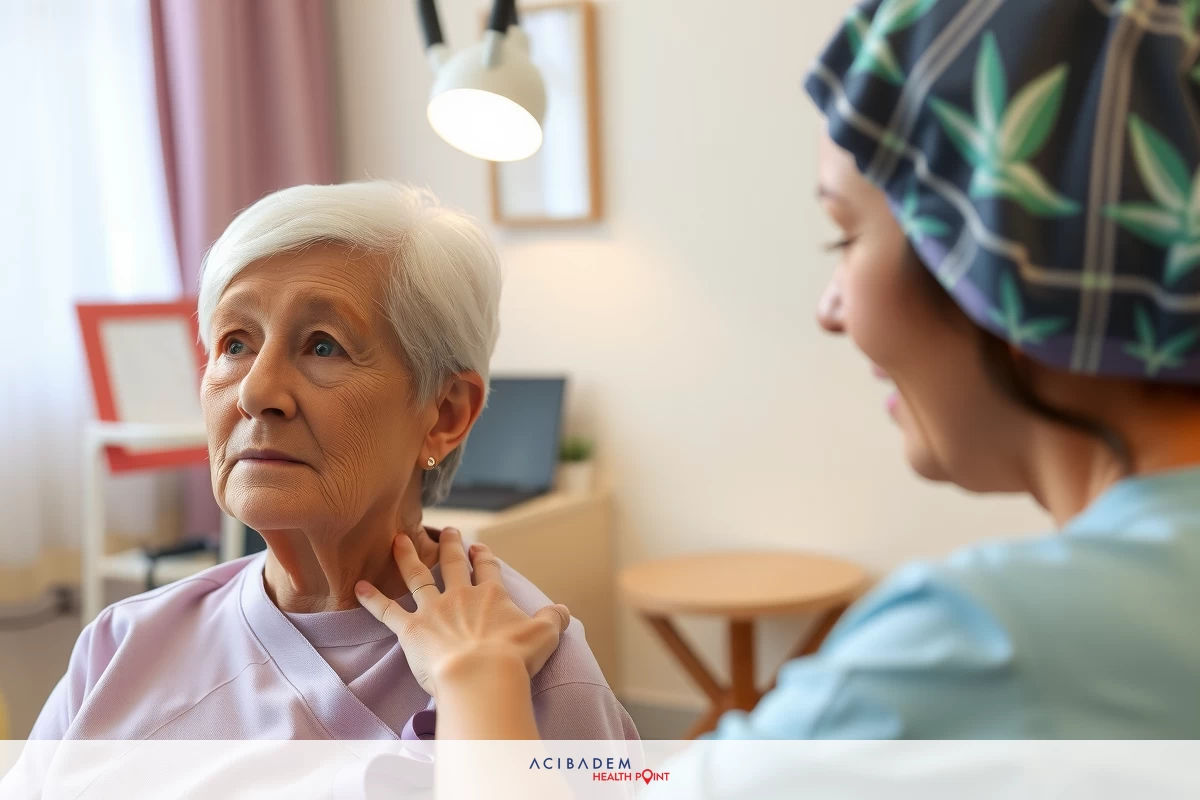
recovery duration varies greatly among individuals.
Immediately following an injury, patients require extensive medical attention to stabilize. This initial phase can last from days to weeks, depending on injury severity, with doctors closely monitoring to control symptoms and prevent complications.
Patients enter the subacute phase, a crucial period for healing. During this time, both mental and physical improvements occur. Rehabilitation may last several months and indicates their likely level of recovery.
Long-term rehabilitation follows, emphasizing continued recovery and reintegration into daily life. This phase may span several years, during which patients strive to enhance their skills and achieve independence. Since recovery duration varies, maintaining flexibility is essential.
| Stage | Duration | Focus |
|---|---|---|
| Acute | Days to Weeks | Stabilization and Symptom Management |
| Subacute | Months | Rehabilitative Therapies |
| Long-Term | Years | Skill Refinement and Independence |
Recovery prospects from a closed head injury vary based on factors like injury severity, overall health, age, and lifestyle. Understanding these elements allows for a more tailored and effective recovery plan.
Recovery Phases
Understanding the stages of recovery from a closed head injury can help set realistic expectations and enhance the healing process.
Initial Stage
The initial stage is the acute phase, which concentrates on immediate post-injury care. Medical professionals prioritize patient safety and preventing further damage.
This stage involves:
- Medical assessments and diagnostic imaging
- Maintaining stable vital signs
- Managing critical health issues
Subacute Stage
Following the acute phase, the subacute phase begins, lasting from several days to weeks. This marks the start of the rehabilitation process.
This phase includes the following activities:
- Physical therapy to improve mobility and build strength
- Speech and occupational therapy as necessary
- Medications for pain and swelling
Extended Rehabilitation Period
The long-term rehabilitation phase is crucial for complete recovery and may last from months to years. Key aspects of this stage include:
| Rehabilitation Activity | Description |
|---|---|
| Continued Physical Therapy | More exercises to keep and boost strength and flexibility |
| Cognitive Rehabilitation | Therapies and exercises to help with memory and solving problems |
| Routine Medical Check-Ups | Regular health checks to see how you’re doing and change treatments |
| Pain Management | Ways and medicines to handle long-term pain well |
Following these stages highlights the need for a personalized and adaptable recovery process. Active involvement and communication from both patients and caregivers are essential at every stage for optimal outcomes.
Rehabilitation Approaches
Rehabilitation is essential for individuals with closed head injuries. Proper therapies significantly aid recovery. This section outlines the objectives and methods of each treatment aimed at improving outcomes.
Physiotherapy
Physical therapy is essential for regaining strength and mobility. Patients perform specific exercises to rebuild strength and improve balance and coordination for complete recovery.
‘Therapeutic Occupational Practice’
Occupational therapy is essential for helping individuals regain independence in daily activities such as dressing, eating, and working. Therapists establish goals and support recovery, making everyday life more manageable.
Cognitive Rehabilitation
Cognitive rehabilitation improves thinking abilities such as memory, concentration, and problem-solving. Its goal is to enhance these skills, supporting individuals in returning to their daily routines.
| Therapy Type | Focus | Goals |
|---|---|---|
| Physical Therapy | Restoring mobility and strength | Improve balance, coordination, and physical capabilities |
| Occupational Therapy | Daily functional activities | Regain independence in everyday tasks |
| Cognitive Rehabilitation | Memory, concentration, and executive functions | Enhance cognitive skills and facilitate day-to-day activities |