

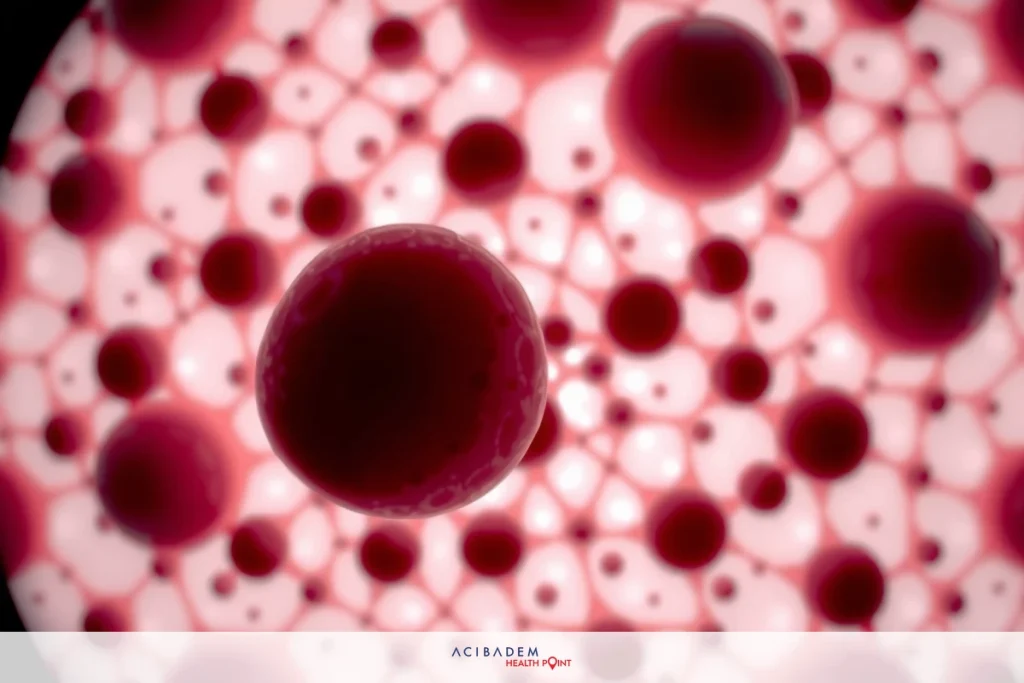
Understanding Clival Chordoma: A Brief Overview of Pathology
Understanding Clival Chordoma: A Brief Overview of Pathology Clival chordoma is an uncommon tumor at the skull base. Understanding its pathology is crucial for effective treatment.
Clival chordomas are tumors located at the skull base, making them challenging to diagnose and treat. We’ll explore their pathological features in detail.
Understanding and managing skull base tumors is essential for doctors, and this knowledge is crucial.
Comprehending Clival Chordoma
Clival chordomas are uncommon tumors originating from residual notochord tissue, typically located at the skull base. They tend to grow slowly and may initially be difficult to detect due to minimal early symptoms.
They can erode the bone in the clivus region, potentially impacting the brain due to the tumor’s proximity to critical neural structures.
What is a Clival Chordoma?
Clival chordoma is a slow-growing malignant tumor originating from residual notochord tissue, typically located at the skull base in the clivus region. Its tendency to invade surrounding bone and soft tissue complicates surgical removal.
They grow slowly but may recover after treatment, making management difficult.
Historical Background
The first chordoma was identified in the mid-19th century by pathologists. Advances in medicine have since deepened our understanding. Notably, Virchow described a unique bone tumor, likely an early case, in 1857.
This initial finding paved the way for current research and therapies.
Prevalence and Incidence
Although chordomas are uncommon, it’s important for clinicians and researchers to be aware of them. They account for approximately 1-4% of all bone tumors and 20% of spinal tumors. When located at the clivus, they represent a smaller subset of cases.
Approximately one in a million people develop this annually. Although rare, treatment is challenging, and they can lead to serious complications.
| Location | Incidence per Year | Percentage of Primary Bone Tumors |
|---|---|---|
| Cranial/Skull Base (Clivus) | 1 in 1,000,000 | Less than 1% |
| Spinal | Relatively Higher | 20% |
| Total (All Locations) | 1-4% of Primary Bone Tumors | Varies by Region |
Signs and Symptoms of Clival Chordoma
Understanding the symptoms of clival chordoma is crucial for early diagnosis and treatment. This overview highlights initial and later signs of this rare tumor, including its impact on the brain as it enlarges.
Typical Symptoms
Initially, symptoms of clival chordoma may resemble common ailments, making early detection difficult. These signs include:
- Pain at the back of the head, commonly near the skull’s base
- Regular nasal blockage and persistent postnasal drip
- Blurred or double vision
- Chronic sinusitis without infection
These subtle signs can indicate a chordoma; early detection is crucial for prompt treatment.
Severe Symptoms
As a clival chordoma progresses, symptoms become more severe, reflecting its impact on the brain. These signs include:
- Intense neurological pain and pressure
- Facial numbness or weakness caused by cranial nerve impairments
- Trouble swallowing and speaking (dysphagia)
- Difficulty with coordination and maintaining balance
Early detection of these signs can significantly impact a person’s life. A thorough check-up and proper treatment are essential. Recognizing these symptoms allows both doctors and patients to identify the issue promptly and accurately.
The table below lists the typical and subsequent sympto
ms of clival chordoma.
| Symptom Stage | Common Symptoms | Advanced Symptoms |
|---|---|---|
| Early Stage | Headaches, nasal congestion, double vision, persistent sinusitis | Significant neurological pain, cranial nerve deficits, dysphagia, impaired balance |
Understanding clival chordoma symptoms at every stage is essential for prompt diagnosis and reducing brain complications from delayed treatment.
Diagnosis of Clival Chordoma
Doctors diagnose clival chordoma through a series of steps, including assessing symptoms, conducting imaging scans, and performing biopsies—all essential for accurate diagnosis and optimal treatment.
Preliminary Diagnostic Procedures
Doctors begin with a review of the patient’s medical history and a physical examination, looking for indicators of a clival chordoma. They also assess nerve function to determine if the tumor is exerting pressure on them.
Imaging Methods
Imaging tests are essential for locating and assessing the size of a clival chordoma. MRI is the preferred method for visualizing soft tissues and detecting tumors in the clival region, while CT scans provide detailed images of the bones to identify any structural damage.
| Imaging Technique | Advantages | Disadvantages |
|---|---|---|
| MRI | High soft tissue resolution, no ionizing radiation | Longer scan time, expensive |
| CT Scan | Detailed bone imaging, quicker scan time | Exposure to ionizing radiation |
Biopsy and Histopathological Examination
A biopsy confirms the diagnosis after imaging by sampling tumor tissue, either with a fine needle or through surgery, based on the tumor’s location.
They examine the sample with a microscope to identify the tumor cell type, which guides the most effective treatment plan.
Combining these tests provides a comprehensive view of the chordoma, enabling doctors to develop a personalized treatment plan.
Clival Chordoma: Pathology Overview
Understanding chordoma pathology is essential for accurate diagnosis and effective treatment of clival chordoma. Histopathological examination reveals distinctive cells and structures that guide clinicians in developing appropriate management strategies.
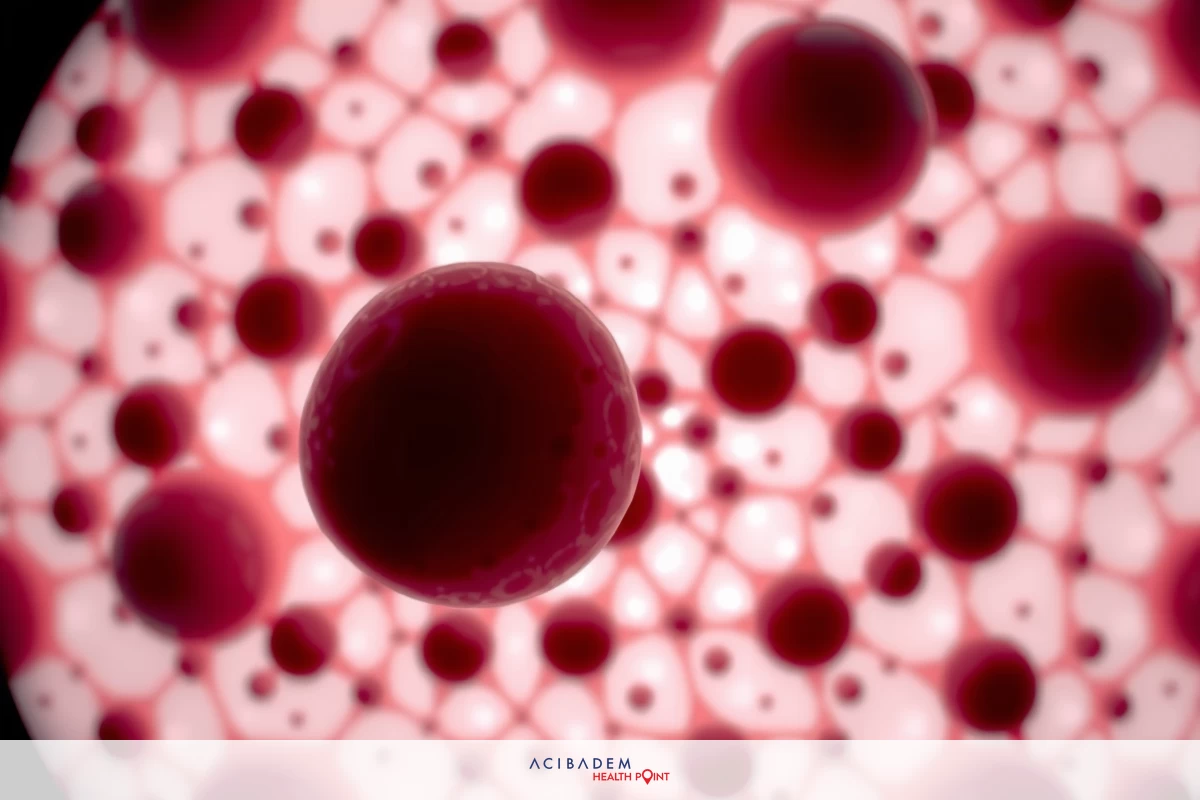
In tumor pathology, the initial step is to assess the growth pattern of clival chordomas. They typically present as lobulated masses with a distinctive myxoid matrix. The cells often appear vacuolated due to physaliphorous features, which are characteristic of this tumor.
Recognizing these signs can help distinguish clival chordoma from other skull base tumors. Here’s a comparison of common features in clival chordoma versus other tumor types:
| Feature | Clival Chordoma | Other Skull Base Tumors |
|---|---|---|
| Cell Type | Physaliphorous cells | Varies (e.g., Schwann cells in Schwannoma) |
| Matrix | Myxoid matrix | Fibrous or cartilaginous matrix |
| Growth Pattern | Lobulated masses | Diffuse or localized growth |
| Histochemical Staining | S100 protein, cytokeratin | Varies by tumor type |
Accurate identification of chordoma pathology is crucial for diagnosis and selecting optimal treatments, highlighting the vital role of histopathology in managing clival chordoma.
Treatment Strategies for Clival Chordoma
Upon receiving a diagnosis of clival chordoma, understanding your treatment options is crucial. This overview covers primary approaches such as surgery, radiation therapy, and emerging treatments, highlighting their benefits and limitations. Knowing these can help you make an informed decision.
Surgical Procedures
Surgical removal is typically the initial treatment for clival chordoma, aiming to excise the tumor while preserving brain functions. Advances such as endoscopic endonasal surgery allow surgeons to access the tumor through the nose, resulting in safer and quicker recovery.
Removing clival chordomas is challenging due to their location, and even advanced techniques may not always allow complete tumor removal.
Radiation Therapy
Radiation therapy is commonly combined with surgery, particularly when complete tumor removal isn’t possible. It employs high-dose radiation to eliminate remaining cancer cells, aiding in cancer control and improving survival. In some cases, radiation is used alone if surgery poses significant risks.
Innovative Therapies
Researchers are exploring innovative approaches to treat clival chordoma, including molecular inhibitors and immunotherapy. These methods may be less invasive and produce fewer side effects compared to existing options. Preliminary results are encouraging, offering hope for improved therapies ahead.
| Treatment Option | Primary Benefit | Potential Challenges |
|---|---|---|
| Surgical Interventions | Complete or partial tumor removal | High complexity, potential neurological impact |
| Radiation Therapy | Targeted destruction of residual cells | Requires precise delivery, may not be standalone |
| Emerging Treatments | Less invasive, innovative approach | Still under research, long-term efficacy unknown |