

FAQs on Pediatric Cerebral Aneurysms: Essential Information & Care
FAQs on Pediatric Cerebral Aneurysms: Essential Information & Care A cerebral aneurysm in children is a serious condition requiring prompt medical attention from pediatric neurology specialists. Understanding this condition is crucial for protecting a child’s health and quality of life. This overview explains what a pediatric cerebral aneurysm is, the importance of recognizing symptoms early, and why specialized brain aneurysm care is essential. It covers diagnosis, treatment options, and ongoing research, aiming to provide parents, caregivers, and healthcare providers with vital information and resources.
Cerebral aneurysms are rarer in children than adults, but quick recognition and response are vital for effective treatment. The following sections will cover these topics in detail to ensure you understand everything about pediatric cerebral aneurysms.
What is a Pediatric Cerebral Aneurysm?
Pediatric cerebral aneurysms are uncommon but serious, involving weakened arteries in the brain that bulge outward. Prompt, specialized treatment is essential for children affected by this condition.
Overview and Clarification
A brain aneurysm in children occurs when a blood vessel in the brain weakens and enlarges. If it ruptures, it can lead to serious issues such as a stroke. These aneurysms may be present at birth or develop due to genetic factors.
Differences Between Pediatric and Adult Cerebral Aneurysms
Children’s aneurysms differ from adults’ because they often stem from congenital or genetic factors. Unlike adults, where high blood pressure is a common cause, pediatric aneurysms typically result from birth-related issues.
Typical Age Groups Impacted
Aneurysms in children are uncommon but can occur at any age, often in those under 10 or even in infants. Early detection of symptoms is crucial for ensuring proper treatment.
Signs of a Pediatric Cerebral Aneurysm
FAQs on Pediatric Cerebral Aneurysms: Essential Information & Care Recognizing the symptoms of a pediatric cerebral aneurysm is crucial for prompt diagnosis and treatment. Early detection can significantly benefit the child’s health. Parents and guardians should be vigilant for these signs.
Identifying Early Indicators
Early aneurysm signs in children can be subtle and often mistaken for typical childhood issues. Be alert for sudden, severe headaches that are much worse than their usual headaches.
They may also be sensitive to bright lights and loud noises.
Physical and Neurological Manifestations
Pediatric aneurysms can present with various physical and neurological symptoms. Watch for these signs:
- Intense, abrupt headaches
- Nausea and vomiting commonly associated with the headache
- Numbness or weakness in the limbs
- Seizures occurring in individuals with no previous history
- Vision problems such as double vision or partial/complete vision loss
- Intense, unexplained fatigue or sleepiness
Signs That Warrant Medical Attention
Recognizing the right moment to seek immediate help is crucial. Parents should be alert to these urgent signs of a brain aneurysm:
- A sudden, severe headache often called the “worst headache” imaginable.
- Loss of consciousness or abnormal sleepiness
- Rapid loss of vision or intense visual disruptions
- Unexplained seizures or convulsions
Seek medical attention immediately if you notice these signs. Prompt care can prevent serious issues and make a significant difference.
Causes and Risk Factors
Cerebral aneurysms in children can result from genetic, environmental, and physiological factors. Understanding these helps in prevention and awareness.
Family history significantly influences aneurysm risk; if relatives have them, your likelihood increases, indicating a genetic component.
Certain genetic conditions, such as polycystic kidney disease and connective tissue disorders, increase the risk of aneurysms by weakening blood vessel walls.
High blood pressure in children is a potential risk, though less common than in adults. It can lead to aneurysms, so maintaining healthy blood pressure levels is essential. FAQs on Pediatric Cerebral Aneurysms: Essential Information & Care
Head injuries pose a significant risk as they can damage or weaken brain blood vessels, increasing the likelihood of aneurysms.
An overview of the primary causes and risks of cerebral aneurysms in children:
| Cause | Description |
|---|---|
| Hereditary Predisposition | Family history of aneurysms indicating genetic factors |
| Genetic Conditions | Polycystic kidney disease, connective tissue disorders |
| High Blood Pressure | Elevated blood pressure contributing to vessel wall stress |
| Head Trauma | Injuries that weaken or damage brain blood vessels |
Pediatric Cerebral Aneurysm Diagnosis
Detecting cerebral aneurysms in children is challenging. Doctors rely on specialized imaging techniques to identify and accurately assess the condition.
Imaging Methods for Diagnosis
Various methods exist to detect cerebral aneurysms in children, each with its own advantages.
- MRI for aneurysm detection: Provides detailed images of brain blood vessels without radiation exposure.
- Pediatric CT scans are quick and produce detailed images, allowing rapid detection of aneurysms and other problems.
- Pediatric angiography involves injecting dye into blood vessels to visualize the brain’s vascular system and detect aneurysms.
Significance of Early Detection
Early detection of cerebral aneurysms in children is crucial. MRI and CT scans enable timely identification, allowing for treatment before complications arise and reducing serious health risks.
What to Anticipate During a Diagnostic Test
Understanding what occurs during a test can help reduce
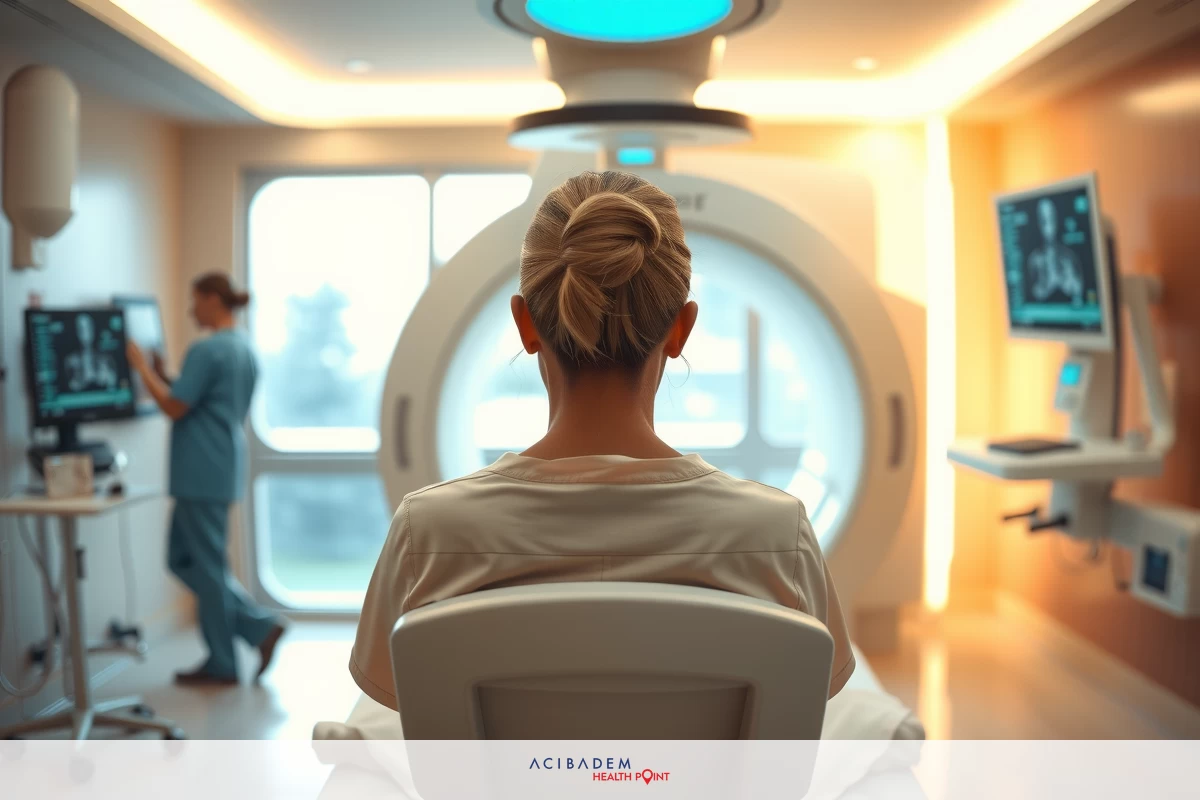
anxiety for children and their families. Here’s what to expect:
- MRI for aneurysm detection: The child remains still during the scan to produce detailed, painless brain images, requiring a calm and quiet environment.
- CT scans for children: Quick procedures where the child lies on a table that moves into the scanner; some may require sedation to remain still.
- Pediatric angiography involves inserting a small tube into a blood vessel and injecting dye; it may cause a warm sensation and is carefully monitored to ensure the child’s safety and comfort.
Here’s a table summarizing the primary imaging techniques.
| Imaging Technique | Primary Use | Advantages | Considerations |
|---|---|---|---|
| MRI for aneurysm detection | Detailed brain imaging without radiation | High-resolution images, no radiation exposure | Longer duration, requires lying still |
| CT scans for children | Quick brain assessment | Fast, high-resolution images | Involves radiation, sometimes requires sedation |
| Angiography in pediatrics | Detailed vascular imaging | Highly accurate for vascular issues | Invasive, possible warm sensation from dye |
Available Treatment Options
Managing pediatric cerebral aneurysms depends on their size, location, and rupture risk. Selecting the appropriate treatment is crucial for young patients.
Surgical Procedures
Surgical intervention is common for these aneurysms. Neurosurgeons may perform microsurgical clipping or opt for endovascular coiling to seal the aneurysm.
Non-Invasive Treatments
In some cases, children may avoid surgery and instead take medication to manage blood pressure. Doctors also monitor the aneurysm through imaging to track any changes.
Follow-Up Care and Monitoring After Treatment
Following treatment, children require consistent follow-up with scheduled check-ups and imaging. Pediatric rehabilitation supports their physical and neurological recovery.
| Intervention Type | Technique | Purpose |
|---|---|---|
| Microsurgical Clipping | Surgical placement of a clip at the aneurysm’s base | To block blood flow and prevent rupture |
| Endovascular Coiling | Catheter-guided deployment of coils within the aneurysm | To induce clotting and seal the aneurysm |
| Medication | Managing blood pressure and other risk factors | To minimize the risk of aneurysm growth or rupture |
| Pediatric Rehabilitation | Customized rehab programs | To aid in physical and neurological recovery |
Outlook for Pediatric Patients
For families with a child diagnosed with a cerebral aneurysm, understanding the prognosis is crucial. The outlook varies based on the aneurysm’s size, location, and timing of treatment. Prompt, effective intervention improves recovery prospects and provides hope for a healthy future.
The table below illustrates how various factors influence a child’s prognosis and recovery.
| Factor | Impact on Prognosis |
|---|---|
| Early Diagnosis | Significantly improves recovery outcomes by allowing timely intervention. |
| Aneurysm Size | Smaller aneurysms generally have a better prognosis compared to larger ones. |
| Location of Aneurysm | The location can affect how easy it is to operate and the success of treatment. |
| Age at Diagnosis | Kids diagnosed young may recover better because they are more flexible and adaptable. |
| Post-Treatment Care | Good care after treatment can make a big difference in long-term outcomes. |
| Presence of Complications | Complications like re-bleeding or infection can make recovery harder. |
Healthcare providers consider these factors to develop optimal treatment plans for children. Advances in research and medical techniques are improving outcomes for kids with aneurysms, offering families renewed hope and clearer options. FAQs on Pediatric Cerebral Aneurysms: Essential Information & Care
Caring for a Child with a Cerebral Aneurysm
Having a child with a cerebral aneurysm requires significant adjustments. Careful planning is essential to ensure their safety and well-being, and families need robust emotional and practical support.
Daily Routine Changes
Following diagnosis, daily routines significantly shift to promote the child’s health. Regular doctor appointments, a safe activity schedule, and a nutritious diet are essential.
Parents should collaborate with schools to ensure their children receive appropriate support, such as reducing physical activity and allowing more time for academic tasks.
- Establishing a consistent medication routine
- Tracking physical and emotional stress indicators
- Adding brain-boosting foods to your meals
Support Networks and Resources
Providing support for families with children diagnosed with aneurysms is essential. Resources such as support groups and financial assistance help families manage the emotional and financial burdens more effectively.
| Support Resource | Description | Contact Information |
|---|---|---|
| American Heart Association | Provides educational materials and support groups | www.heart.org |
| Children’s Miracle Network Hospitals | Offers financial assistance for medical expenses | www.childrensmiraclenetworkhospitals.org |
| National Alliance on Mental Illness (NAMI) | Support for mental health issues related to chronic illness | www.nami.org |
FAQs on Pediatric Cerebral Aneurysms: Essential Information & Care These resources provide comprehensive support, ensuring children and families receive the assistance they need during difficult times.
Latest Research and Developments
Finding innovative approaches to assist children with brain aneurysms is crucial. Advances in research are leading to improved treatments and increased hope for affected kids.
Latest Advances in Treatment
Advances in surgical techniques have transformed aneurysm treatment, with minimally invasive options such as endovascular coiling and flow diversion now preferred. These approaches enable quicker recovery and improve success rates, especially in children.
FAQs on Pediatric Cerebral Aneurysms: Essential Information & Care They improve safety by eliminating the need for extensive brain surgery, which is a major benefit for children and their families.
Current Research Projects
Ongoing research into pediatric brain aneurysm treatment includes stem cell therapy and genetic studies, aiming to develop methods to prevent aneurysms before they develop.
They are developing new imaging technologies that could enable doctors to detect issues early and provide immediate treatment, greatly benefiting children.
| Research Area | Focus | Purpose |
|---|---|---|
| Minimally Invasive Techniques | Endovascular Coiling, Flow Diversion | Reduce Recovery Time, Increase Precision |
| Stem Cell Therapy | Cell Regeneration | Target Aneurysm Causes |
| Genetic Mapping | Genetic Predisposition | Personalized Treatment |
| Imaging Technologies | Advanced Diagnostic Imaging | Earlier and Accurate Diagnosis |
Health Tips and Preventive Strategies
Preventing pediatric cerebral aneurysms involves various measures. Be aware of family history, especially if relatives have vascular conditions. Share this information with your doctor to enable careful monitoring and early detection.
Maintaining a healthy lifestyle is essential. Encourage children to eat nutritious foods, stay active, and avoid smoking to keep their blood vessels healthy and reduce aneurysm risk.
Regular doctor visits are essential for early detection of health issues. Children with a family history of aneurysms may require additional screenings to identify problems early. Awareness of these risks, maintaining a healthy lifestyle, and consistent medical check-ups help ensure kids’ safety.