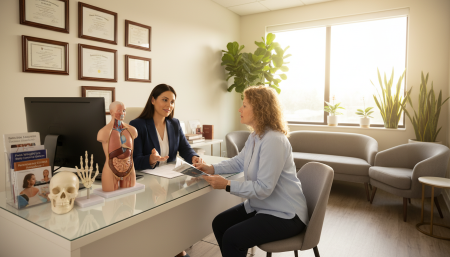
Find Chronic Pain Support Groups Near You
Find Chronic Pain Support Groups Near You Living with chronic pain can be a challenging and isolating experience. The constant pain, discomfort, and limitations can significantly impact one’s daily life and emotional well-being. However, it’s important to remember that you are not alone in this journey. Connecting with others who understand and empathize with chronic pain can provide much-needed support, resources, and a compassionate community that can truly make a difference.
That’s where chronic pain support groups come in. These groups bring together individuals who are experiencing similar challenges, offering a safe space to share experiences, provide emotional support, and offer practical guidance. Whether you are seeking advice on pain management techniques, relief options, or simply looking to connect with others who understand, there are numerous chronic pain support groups near you that can offer the support and understanding you need.
By joining a local support group, you not only gain access to a wealth of knowledge and firsthand experiences but also find a supportive network of individuals who can relate to your struggles. These groups often meet regularly, allowing members to form connections, exchange coping strategies, and develop a sense of belonging.
So, if you are searching for chronic pain support groups near you, look no further. In the following sections, we will explore the benefits of joining these groups, provide tips for finding local support groups, and discuss different formats and structures available, including both in-person and online options. Additionally, we will offer guidelines for successful participation and highlight the role of support groups in complementing your treatment plan. Let’s embark on this empowering journey together, fostering connections, and embracing the support that chronic pain support groups can provide.
Understanding Chronic Pain
Chronic pain is a persistent and debilitating condition that affects millions of people worldwide. Unlike acute pain, which is a normal sensation that alerts us to an injury or illness, chronic pain persists for an extended period, often lasting months or even years. It can have a profound impact on an individual’s daily life, affecting their physical, emotional, and mental well-being.
Chronic pain can have various causes, such as injuries, medical conditions, or underlying diseases. Common sources of chronic pain include arthritis, fibromyalgia, nerve damage, and chronic migraine. Regardless of the specific cause, chronic pain can be challenging to manage and may require a comprehensive approach that incorporates various treatment modalities.
To effectively manage chronic pain, individuals can benefit from accessing a range of resources and programs specifically tailored to their needs. These resources can provide invaluable support and guidance, helping individuals better understand their condition, explore different pain management techniques, and connect with others facing similar challenges.
Causes of Chronic Pain
Chronic pain can stem from numerous sources, including:
- Physical injuries
- Medical conditions
- Underlying diseases
The Impact of Chronic Pain
Living with chronic pain can significantly affect an individual’s daily life. It can:
- Limit one’s ability to engage in physical activities
- Interfere with work and productivity
- Disrupt sleep patterns
- Lead to emotional distress, such as depression and anxiety
Chronic Pain Management Programs
To address the complex nature of chronic pain, various management programs have been developed. These programs offer a multidisciplinary approach, combining medical, psychological, and lifestyle interventions to improve pain control, enhance functionality, and promote overall well-being.
| Program | Description |
|---|---|
| Physical Therapy | Includes exercises, stretches, and other physical interventions to improve mobility, strengthen muscles, and reduce pain. |
| Pain Medication | Includes prescription medications, such as opioids, nonsteroidal anti-inflammatory drugs (NSAIDs), and antidepressants, to manage pain levels. |
| Psychological Therapy | Utilizes techniques like cognitive-behavioral therapy (CBT) to help individuals cope with pain, manage stress, and improve their overall emotional well-being. |
| Alternative Therapies | Encompasses non-traditional treatments, such as acupuncture, massage therapy, and mindfulness meditation, which may provide additional pain relief and improve quality of life. |
The Benefits of Support Groups
Joining a support group can be immensely beneficial for individuals living with chronic pain. These groups provide a supportive community where members can connect, share experiences, and find emotional solace. Moreover, support groups offer practical guidance and valuable resources that can help individuals manage their chronic pain effectively.
Shared Experiences:
One of the key benefits of support groups is the opportunity to connect with others who understand the challenges of living with chronic pain. By hearing others’ stories and sharing their own experiences, individuals can find solace in knowing they are not alone in their journey. This sense of solidarity can provide immense emotional comfort and validation.
Emotional Support:
Living with chronic pain can be isolating and emotionally taxing. Support groups create a safe space for individuals to express their feelings, fears, and frustrations. Members can offer each other empathy, compassion, and encouragement, fostering a sense of belonging and support. These emotional connections help individuals cope with the emotional burden of chronic pain and improve their overall well-being.
Practical Guidance:
Support groups provide a platform for individuals to share practical strategies and coping mechanisms for managing chronic pain. Members can exchange knowledge about different treatments, therapies, and lifestyle changes that have been effective. This valuable information can empower individuals to explore new approaches to pain management and find what works best for them.
If you are searching for local chronic pain support or looking for chronic pain help, consider joining a support group. The benefits of being part of a compassionate community can be invaluable on your chronic pain journey.
| Benefits of Support Groups for Chronic Pain |
|---|
| Shared Experiences |
| Emotional Support |
| Practical Guidance |
Finding Local Support Groups
When dealing with chronic pain, finding a supportive community can make a significant difference in your journey towards relief and management. One way to connect with others facing similar challenges is by joining local chronic pain support groups.
These support groups offer a safe space for individuals to share their experiences, gain emotional support, and find practical guidance. Whether you’re seeking advice on pain management techniques, looking for recommendations for healthcare providers, or simply looking for someone who understands, joining a chronic pain support group can provide invaluable resources.
Locating Local Chronic Pain Support Groups
If you’re wondering how to find chronic pain support groups near you, there are several resources available that can help. Here are a few tips:
- Online Directories: Search online directories that specialize in connecting individuals with support groups, such as the American Chronic Pain Association’s directory or Pain Connection’s network.
- Healthcare Organizations: Reach out to local hospitals, clinics, and healthcare organizations to inquire about support groups they may offer specifically for chronic pain.
- Community Centers: Check with local community centers, wellness centers, or churches as they may host support groups for individuals dealing with chronic pain.
- Online Forums: Participate in online forums or communities dedicated to chronic pain discussion and ask for recommendations on local support groups in your area.
By exploring these avenues of locating local support groups, you can find a community that understands, supports, and empowers you on your chronic pain journey.
Support Group Structure and Formats
Support groups for chronic pain aim to provide individuals with a safe and understanding environment where they can connect with others facing similar challenges. These groups can take on various formats and structures, catering to the diverse needs of those seeking support and relief.
In-person Meetings
In-person meetings offer a traditional form of support group interaction, allowing participants to gather together physically and share their experiences and coping strategies. These meetings provide a sense of community as individuals can engage face-to-face, build personal connections, and benefit from non-verbal cues, such as body language and facial expressions. Many in-person support groups are facilitated by healthcare professionals or experienced individuals who guide discussions and provide valuable insights.
Here are some key advantages of in-person support group meetings:
- Opportunity for immediate interaction and emotional support
- Real-time sharing of experiences and coping techniques
- Personal connections and friendships
- Access to professional guidance
Online Forums and Communities
For those who prefer virtual interactions or face geographical limitations, online forums and communities offer a convenient and accessible option. These platforms allow individuals to connect with others through discussions, message boards, and chat rooms, providing round-the-clock availability for support and advice. Online support groups can foster a sense of anonymity, allowing participants to share openly without revealing their identities.
Here are some advantages of online support groups:
- Accessible from anywhere, overcoming geographical barriers
- 24/7 availability for support and information
- Anonymity and privacy for individuals who prefer to remain anonymous
- Support from individuals who have faced similar challenges
Peer-to-Peer Counseling
Peer-to-peer counseling is a less formal format for support groups, where individuals can reach out to one another directly for guidance, empathy, and understanding. This approach allows for individual connections and personalized support, creating a network of friends who can provide emotional comfort and practical advice.
Here are some benefits of peer-to-peer counseling:
- One-on-one support from someone who has firsthand experience with chronic pain
- Possibility of mentorship and role modeling
- A safe space for open and honest conversations
- Direct access to immediate support and encouragement
Choosing the right support group format depends on individual preferences, comfort levels, and specific needs. Some individuals may benefit from a combination of the formats discussed above. Connecting with a chronic pain support group can provide a valuable network of individuals who understand the challenges of living with chronic pain and offer support, guidance, and empathy.
Connecting with a Compassionate Community
Living with chronic pain can be a challenging journey, often accompanied by feelings of isolation and misunderstood experiences. However, finding a compassionate community can offer a lifeline of support and understanding for individuals facing chronic pain. Connecting with others who share similar struggles can provide a sense of belonging and validation, fostering a nurturing environment where individuals can find solace and strength.
The chronic pain community is a diverse and inclusive space that encompasses people from different backgrounds, age groups, and experiences. By connecting with this community, individuals can tap into a wealth of shared knowledge, coping mechanisms, and resources that can assist in navigating the complexities of chronic pain.
Support groups, both in-person and online, serve as valuable platforms for connecting with fellow chronic pain warriors. These groups create a safe space where individuals can openly discuss their challenges, share their triumphs, and seek solace from others who comprehend the daily realities of chronic pain. In this community, empathy and compassion are not just buzzwords, but guiding principles that uplift and inspire.
Support groups also provide an opportunity for individuals to learn from others who have successfully managed their chronic pain and achieved a better quality of life. Through shared experiences and advice, members gain new insights, practical strategies, and alternative approaches to managing their condition.
Connecting with a compassionate community not only helps individuals cope with their chronic pain but also offers a sense of empowerment and hope. By fostering meaningful relationships with others who truly understand their struggles, individuals can find comfort, encouragement, and a renewed sense of purpose.
Real-Life Stories: The Power of Community
| Name | Experience with Chronic Pain | Impact of Connecting with a Community |
|---|---|---|
| Sarah Thompson | Living with fibromyalgia for 10 years | Joined a local support group and gained emotional support, practical coping strategies, and lifelong friendships |
| Michael Rodriguez | Dealing with chronic back pain due to a spinal injury | Found solace in an online chronic pain community where he received validation, empathy, and helpful tips for pain management |
| Emma Johnson | Managing complex regional pain syndrome (CRPS) | Started her own chronic pain blog and connected with a global community for inspiration, solidarity, and advocacy |
These real-life stories exemplify the transformative power of connecting with a compassionate community. By reaching out and actively participating in the chronic pain community, individuals can find invaluable support, understanding, and guidance on their journey towards improved wellbeing.
Support Group Guidelines and Etiquette
Participating in a chronic pain support group can provide valuable emotional support and resources. To ensure a positive and respectful environment for all members, it’s important to follow some guidelines and etiquette. These guidelines will help foster a sense of safety, trust, and inclusivity within the group.
Active Listening
When someone is sharing their experiences or seeking support, practice active listening. This means giving your full attention, maintaining eye contact, and responding empathetically. Avoid interrupting or giving unsolicited advice. Instead, validate their feelings and offer a compassionate ear.
Respecting Boundaries
Every individual has their own boundaries and comfort levels when it comes to sharing personal information. Respect others’ boundaries and only share what feels comfortable for you. It’s also important to seek consent before discussing personal experiences shared within the group outside of the support group setting.
Maintaining Confidentiality
Confidentiality is crucial in creating a safe space within a support group. Respect the privacy of other members by not disclosing any personal information shared during the sessions. This ensures that everyone feels secure and can freely express themselves without fear of judgment or repercussions.
Encouraging Diverse Perspectives
A support group is a place for individuals with different backgrounds and experiences to come together. Embrace and value the diversity within the group. Listen to and learn from the perspectives of others, even if they differ from your own. This fosters a supportive and inclusive environment where everyone feels heard and respected.
Being Mindful of Language
Use inclusive and respectful language when communicating within the support group. Avoid using derogatory or stigmatizing terms and be mindful of the impact your words may have on others. Choose language that promotes empathy, understanding, and inclusivity.
Resolving Conflicts Peacefully
Conflicts may arise within a support group due to differing opinions or misunderstandings. When conflict occurs, approach it with patience, empathy, and a willingness to listen. Try to find common ground and resolve conflicts peacefully, ensuring the group remains a safe and harmonious place for everyone.
By following these guidelines and practicing respectful behavior, you can contribute to a positive and supportive atmosphere within your chronic pain support group.
Online Chronic Pain Support Groups
Joining online chronic pain support groups can provide valuable resources and a sense of community to individuals living with chronic pain. These virtual networks offer convenience, accessibility, and the opportunity to connect with others who understand the challenges of managing chronic pain.
Benefits of Online Chronic Pain Support Groups
- Accessibility: Online support groups can be accessed from the comfort of your own home, eliminating the need to travel or face physical limitations.
- Anonymity: Members can choose to remain anonymous, providing a safe space for sharing experiences and discussing personal struggles.
- 24/7 Availability: Online support groups are active around the clock, allowing individuals to seek support and connect with others at any time.
- Diverse Perspectives: Online communities attract individuals from various backgrounds and locations, providing a wide range of experiences and insights.
While online chronic pain support groups have numerous benefits, there are also potential challenges to consider:
- Lack of Physical Interaction: Online support groups may not provide the same level of emotional connection as in-person meetings.
- Impersonal Communication: Communicating solely through text or online platforms can limit non-verbal cues and emotional nuances.
- Reliability of Information: It is essential to verify the credibility of information shared within online support groups and consult healthcare professionals for accurate medical advice.
Comparison of Online Chronic Pain Support Groups
| Feature | Online Support Group A | Online Support Group B |
|---|---|---|
| Membership Fee | Free | $10/month |
| Group Size | 200+ | 50 |
| Moderation | 24/7 moderation | No moderation |
| Additional Resources | Education materials, webinars | Online counseling sessions |
When choosing an online chronic pain support group, consider your individual needs and preferences. Some groups offer additional resources, while others focus on fostering a close-knit community. Explore multiple options and choose the group that aligns with your goals and provides the support you seek.
Additional Resources for Chronic Pain Management
Managing chronic pain can be a complex and challenging journey. While support groups provide invaluable assistance, there are also additional resources available to help you find relief and improve your quality of life. Here are some options to consider:
Educational Websites:
Online platforms dedicated to chronic pain management offer a wealth of knowledge and information. These websites provide articles, videos, and resources that can enhance your understanding of chronic pain and provide guidance on various treatment options.
- PainAction.com: A comprehensive website that offers educational resources, treatment information, and self-help tools for managing chronic pain.
- Mayo Clinic: Known for its expertise in healthcare, Mayo Clinic’s website provides detailed articles and resources on chronic pain, along with valuable insights from medical professionals.
- PainEDU.org: An educational platform created by the American Chronic Pain Association, offering resources, courses, and tools to empower individuals living with chronic pain.
Pain Management Techniques:
In addition to support groups, various pain management techniques can help alleviate chronic pain symptoms and improve your overall well-being. Some popular techniques include:
- Physical Therapy: A qualified physical therapist can design individualized exercise programs to strengthen muscles, improve mobility, and reduce pain.
- Cognitive Behavioral Therapy (CBT): CBT is a form of psychotherapy that helps individuals develop coping skills, manage stress, and change negative thought patterns related to chronic pain.
- Yoga and Meditation: These mind-body practices can promote relaxation, reduce stress, and improve pain management by enhancing mindfulness and body awareness.
- Acupuncture: A traditional Chinese medicine technique involving the insertion of thin needles into specific points on the body to alleviate pain and restore balance.
Alternative Therapies:
Exploring alternative therapies can be beneficial for individuals seeking additional relief from chronic pain. While their effectiveness may vary from person to person, some alternative therapies worth considering include:
- Massage Therapy: Manipulating muscles and soft tissues through massage techniques can help reduce muscle tension, increase blood flow, and provide temporary pain relief.
- Herbal Supplements: Certain herbal supplements, such as turmeric, ginger, and devil’s claw, have been studied for their potential pain-relieving properties. It’s essential to consult with a healthcare professional before incorporating any supplements into your routine.
- Transcutaneous Electrical Nerve Stimulation (TENS): TENS involves the use of a small device that delivers low-voltage electrical currents to the skin, stimulating nerves and reducing pain signals.
It’s important to remember that everyone’s experience with chronic pain is unique, so finding the right combination of resources and techniques may take time. Consulting with healthcare professionals and discussing your options with support group members can provide valuable insights and help you tailor your pain management approach to your specific needs.
Integrating Support Groups into Treatment Plans
Support groups play a vital role in comprehensive treatment plans for individuals living with chronic pain. These groups provide a safe and understanding space where members can share their experiences, gain emotional support, and access valuable resources for managing their condition.
Chronic pain support groups often complement other therapies and interventions, acting as a valuable supplement to medical treatments and pain management programs. By participating in these groups, individuals can improve their overall well-being and enhance their coping skills.
Support groups offer a unique opportunity for individuals to learn from others who are facing similar challenges. The collective wisdom and shared experiences within the group can provide practical insights into effective pain management strategies, alternative therapies, and lifestyle adjustments that can alleviate symptoms and improve quality of life.
Moreover, support groups foster a sense of community and belonging, reducing feelings of isolation often experienced by those with chronic pain. Members can find comfort in knowing they are not alone in their struggles, which can have a positive impact on their mental and emotional well-being.
Below is a table highlighting key benefits of integrating support groups into treatment plans:
| Benefits of Integrating Support Groups |
|---|
| Emotional support from peers who understand the challenges of living with chronic pain |
| Exchange of practical advice and coping strategies |
| Access to valuable resources for pain management |
| Increased motivation to actively participate in treatment |
| Validation of experiences and feelings |
| Opportunity to connect with others and foster new friendships |
Integrating support groups into treatment plans can enhance the effectiveness of chronic pain management programs and provide individuals with a comprehensive approach to their well-being.
Tips for Successful Support Group Participation
Participating in a chronic pain support group can offer valuable resources, a sense of community, and emotional support. To make the most out of your support group experience, follow these practical tips:
- Be Actively Engaged: Actively participate in support group activities, discussions, and events. Engaging with others can help you build meaningful connections and gain valuable insights into managing chronic pain.
- Promote Open Communication: Be open and honest when discussing your experiences and challenges. By sharing your story, you can help others feel comfortable sharing theirs, fostering a supportive and non-judgmental environment.
- Show Empathy: Listen attentively to others and offer support and empathy. Sometimes, lending a sympathetic ear can provide immense comfort and reassurance to someone going through a difficult time.
- Respect Boundaries: Recognize that each person’s journey and pain experience are unique. Respect others’ boundaries and avoid giving unsolicited advice or dismissing their experiences.
- Practice Self-care: Taking care of yourself is crucial in managing chronic pain. Set boundaries, prioritize self-care activities, and be mindful of your emotional and physical well-being.
Remember that the support group is a place to give and receive support. By actively participating, communicating openly, and prioritizing self-care, you can foster a strong and supportive chronic pain community that benefits everyone involved.
| Tips for Successful Support Group Participation |
|---|
| Be Actively Engaged |
| Promote Open Communication |
| Show Empathy |
| Respect Boundaries |
| Practice Self-care |
Empowering Yourself Through Support
Living with chronic pain can be challenging, but you don’t have to face it alone. Support groups provide a valuable resource for individuals seeking chronic pain relief options and assistance. By actively engaging in these groups, you can empower yourself to take control of your pain management journey and improve your quality of life.
In a support group, you’ll find a compassionate community of individuals who understand the daily struggles and frustrations of living with chronic pain. Sharing experiences with others who can relate can provide a sense of validation, reducing feelings of isolation and loneliness. By connecting with this community, you’ll gain emotional support and valuable insights into coping strategies that have worked for others.
Support groups also offer practical resources and tools to help you navigate the challenges of chronic pain. From discussing different pain management techniques to exploring alternative therapies, these groups provide a wealth of information and perspectives. By actively participating in discussions and sharing your own experiences, you can contribute to the collective knowledge of the group and uncover new possibilities for relief.Find Chronic Pain Support Groups Near You
By utilizing the resources and support available within these groups, you can empower yourself to take an active role in your chronic pain management. Learn from others, explore chronic pain relief options, and seek assistance when needed. Remember, you are not alone, and by engaging with a supportive community, you can find the strength and knowledge to face your chronic pain with resilience and hope.
FAQ
What is chronic pain?
Chronic pain is ongoing pain that lasts beyond the normal healing time of an injury or illness. It can be caused by various medical conditions, such as arthritis, fibromyalgia, or nerve damage, and can significantly impact a person's quality of life.
Why are support groups beneficial for chronic pain?
Support groups provide a compassionate community where individuals with chronic pain can connect with others facing similar challenges. They offer emotional support, practical guidance, and shared experiences that can help individuals feel less isolated and more empowered in managing their pain.
How can I find local chronic pain support groups?
There are several ways to find local chronic pain support groups. You can start by reaching out to healthcare organizations, such as Acibadem Healthcare Group, for information on support groups in your area. Online directories and community centers may also provide listings of local support groups.