





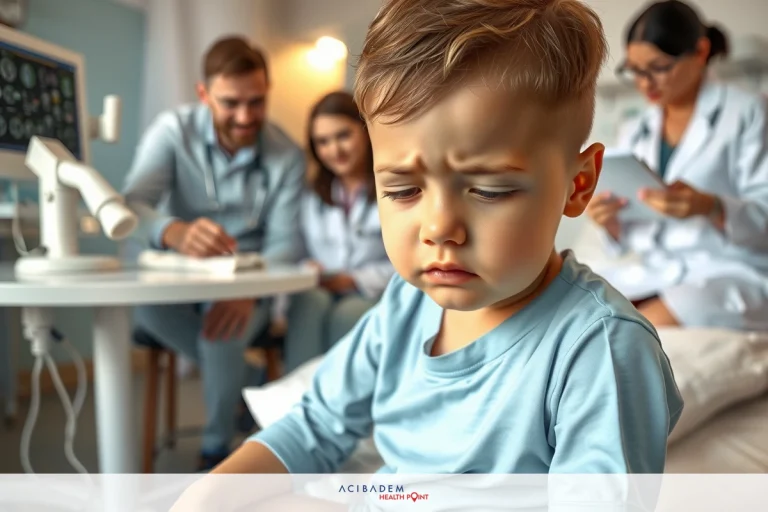
Can Astrocytoma In Childhood Cause Cognitive Impairment?
Can Astrocytoma In Childhood Cause Cognitive Impairment? Astrocytomas are brain tumors that can affect children’s thinking and memory. When kids face such health challenges it often raises concerns about their ability to learn and grow like others do. It is important for parents and caregivers to grasp what an astrocytoma means for a child’s mental functions. Doctors and researchers have looked into how these tumors may change the way a child processes information.It might be tough for little ones who go through treatments for astrocytomas. Their young brains are still developing making them more sensitive to medical interventions aimed at treating tumors. While trying to get rid of cancer cells doctors also work hard to protect healthy brain tissue so children can keep learning new things every day.
Families dealing with childhood astrocytomas need support from friends, community members, and healthcare teams alike. Knowing where help is available makes a big difference in managing day-to-day life during treatment periods. Coping with cognitive effects stemming from both the condition itself and its necessary treatments becomes part of the journey toward healing.
Understanding Astrocytoma
Astrocytoma is a type of brain tumor that can occur in children. It starts in the brain cells called astrocytes which support nerve cells. When these tumors grow they can affect how different parts of the brain work. This might lead to problems with movement sight or learning. In pediatric oncology doctors specialize in treating such conditions.
Can Astrocytoma In Childhood Cause Cognitive Impairment? Children with astrocytoma may face challenges related to cognitive impairment. Their skills in thinking concentrating and remembering could change over time due to the tumor’s growth or treatment side effects. Parents often notice changes when kids go to school or do their homework. It’s crucial for families to seek help from healthcare professionals experienced in childhood cancers.
Can Astrocytoma In Childhood Cause Cognitive Impairment? The impact of an astrocytoma on a child’s brain depends on the tumor’s size and location. Some kids might have mild symptoms while others face serious issues like seizures or headaches even before knowing they have a tumor. Early detection and treatment are key steps toward managing these health concerns effectively.
Pediatric oncology teams work together closely to provide care tailored for each young patient with astrocytoma. They use tests like MRIs to find out more about how big and where tumors are inside the head; then they plan treatments that aim at helping kids live full lives despite their diagnosis. Support throughout this process is vital for both kids dealing with cancer and their loved ones around them.
Effects on Cognitive Function
Astrocytoma can have a notable impact on a child’s ability to think and learn. This type of brain tumor disrupts the normal functioning of the brain which is critical for cognitive development. During childhood, when learning new skills is crucial, any interference caused by a tumor may lead to difficulties with memory or problem-solving. Children might struggle in school or find it hard to keep up with their peers.
Cognitive impairment from astrocytoma varies depending on several factors. The location and size of the tumor often determine what kind of cognitive functions are affected. For example, if an astrocytoma is near areas

responsible for language, speaking and understanding could be challenged. A child experiencing these changes needs support tailored to their specific needs. Can Astrocytoma In Childhood Cause Cognitive Impairment?
Can Astrocytoma In Childhood Cause Cognitive Impairment? Pediatric oncology takes into account not just treating the cancer but also supporting a child’s mental abilities. Treatments like surgery, chemotherapy, or radiation can affect healthy brain tissue as well as tumors. This sometimes leads to additional cognitive challenges after treatment has ended. Protecting developing minds while fighting cancer cells requires careful planning and follow-up.
Support systems play an essential role in helping children cope with cognitive impairments due to astrocytomas. Educators, therapists, and medical professionals work together closely so kids get help they need at school and home. This team approach ensures that each child gets comprehensive care aimed at preserving their quality of life during such tough times. Can Astrocytoma In Childhood Cause Cognitive Impairment?
Treatment Options
Treating astrocytoma in children requires a careful and tailored approach. Pediatric oncology specializes in understanding the best options for each case. Surgery is often used to remove as much of the tumor as possible without harming brain function. Afterward doctors may suggest other treatments to target any remaining cancer cells.
Radiation therapy is another option; it uses high-energy rays to kill cancer cells or shrink tumors. However, because children’s brains are still developing, specialists use this method with caution. The goal is always to balance treatment effectiveness against potential long-term effects on cognitive abilities.
Can Astrocytoma In Childhood Cause Cognitive Impairment? Chemotherapy can be part of a child’s treatment plan too; it involves using drugs to destroy cancer cells. In pediatric cases doses and types of drugs are chosen carefully to reduce harm while fighting the disease effectively. Supportive care also helps manage side effects so that children can maintain their daily routines as much as possible during therapy periods.
Support and Resources
Families facing a child’s astrocytoma diagnosis are not alone. Many hospitals have teams that include social workers and patient advocates. These professionals guide families through the maze of healthcare systems. They help find resources for financial aid, transportation, and lodging when treatments are far from home.
Education about the disease is a critical resource for families. Pediatric oncology departments often provide materials on what astrocytoma is and how it’s treated. Understanding the condition empowers parents to make informed decisions about their child’s care plan. It also helps siblings understand why their brother or sister may need extra help.
Support groups can be invaluable for families dealing with childhood brain tumors like astrocytomas. These groups connect them with others who truly understand their situation because they’ve been there. Sharing experiences provides emotional relief and practical tips alike as members support each other throughout this journey.
For cognitive impairment caused by an astrocytoma educational assistance may be necessary within school settings too. Special education services ensure that children receive appropriate accommodations to continue learning at their pace despite health challenges they face during treatment periods or beyond those times. Can Astrocytoma In Childhood Cause Cognitive Impairment?
Frequently Asked Questions
[sc_fs_multi_faq headline-0=”h4″ question-0=”Q: What is astrocytoma?” answer-0=”Astrocytoma is a type of brain tumor that originates from astrocytes which are the supportive cells in the brain. It can occur during childhood and may affect cognitive functions.” image-0=”” headline-1=”h4″ question-1=”Q: Can children with astrocytoma lead normal lives?” answer-1=”Many children with astrocytoma can go on to lead fulfilling lives. Treatment success and quality of life” image-1=”” count=”2″ html=”true” css_class=””]

