





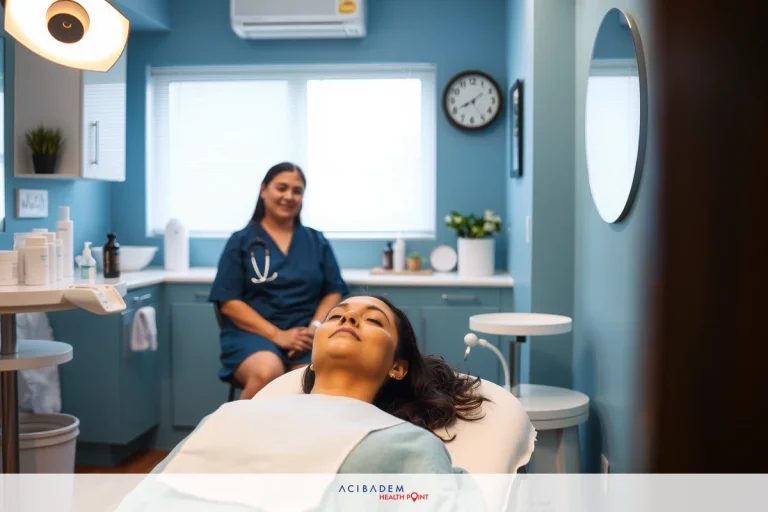
What Is The Role Of Dermal Therapies In Mycosis Fungoides Care?
What Is The Role Of Dermal Therapies In Mycosis Fungoides Care? Dermal therapies play a key role in managing Mycosis Fungoides with options that cater to different skin needs. Gentle and tailored to each person’s condition these treatments aim to soothe symptoms and improve quality of life. Regular care can help keep the skin healthy while special therapies address more intense concerns. Doctors often suggest a mix of treatments for best results.Skin health matters when it comes to conditions like Mycosis Fungoides where proper treatment can make all the difference. Dermal therapy helps manage discomfort and keeps skin in good shape. From creams that hydrate and protect to light-based approaches that target deeper issues every patient has unique options available.
Patients find comfort knowing they have choices for managing their condition through dermal therapy strategies. With consistent application or procedure schedules many experience relief from persistent symptoms associated with Mycosis Fungoides. Each person’s journey is different but having access to supportive care allows them better control over their health outcomes.
Benefits of Dermal Therapies
Dermal therapies offer soothing relief to those with Mycosis Fungoides. They help manage symptoms on the skin’s surface making daily life more comfortable. Patients often report less itching and redness after starting treatment. These improvements in skin care can lead to a better sense of well-being.
Using dermal therapies means tapping into a variety of treatment options. Some people might use creams designed to moisturize and heal affected areas. Others may undergo light therapy sessions that target abnormal cells in the skin. Each option is tailored to fit individual needs for Effective care.
For many dealing with Mycosis Fungoides consistent use of dermal therapies is key. This regularity helps maintain the health benefits achieved through treatment. Over time patients might see not just short-term relief but also long-term management of their condition.
When choosing dermal therapies it’s crucial to have professional guidance for safe practice. Doctors will suggest treatments based on each person’s unique case of Mycosis Fungoides. With proper medical advice individuals can find the right balance in their care regimen.
Types of Dermal Treatments
Topical treatments are a cornerstone in the care for Mycosis Fungoides. These include creams and ointments that directly soothe the skin. They can reduce inflammation and help control symptoms. Many patients use them daily as part of their routine. Topicals are often the first line of defense against discomfort.
Phototherapy is another treatment path within dermal therapies. It involves exposing the skin to controlled light sources. This can slow down the growth of affected cells on the skin’s surface. Sessions must be done under medical supervision for safety reasons. Over time phototherapy may lead to significant improvements in skin health.
For ongoing skin protection barrier creams may be suggested by healthcare providers. These work by shielding sensitive areas from irritants that could worsen symptoms. Regular application helps maintain healthy moisture
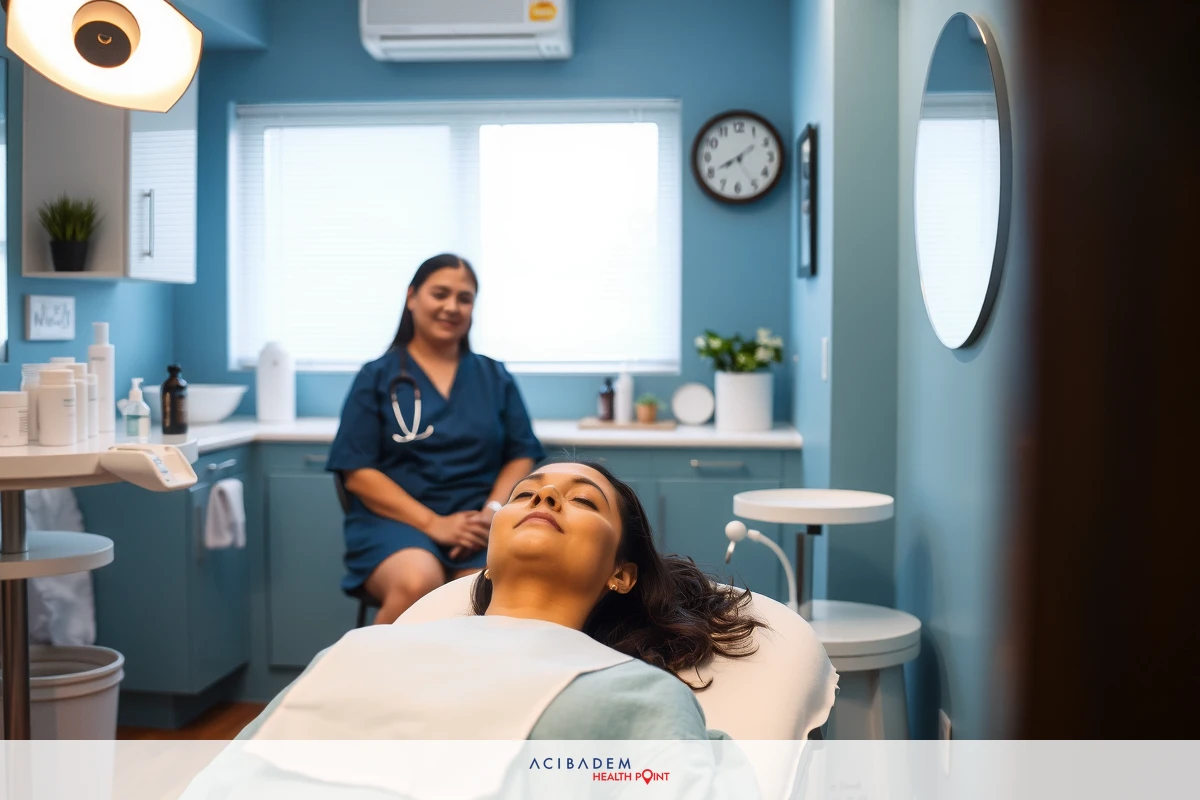
levels in the skin. Some of these protective formulas also contain sunscreen offering dual
benefits.
Incorporating Dermal Therapies into Daily Routine
Starting your day with dermal therapies can set a positive tone for skin care. It’s easy to add them to your morning routine just like brushing teeth. Apply prescribed topicals after washing your face for best results. Doing this helps create a habit that sticks ensuring consistency. Remember regular use is crucial in managing Mycosis Fungoides effectively.
Midday might call for a quick touch-up especially if you’re out and about. Pack portable versions of your treatments in case you need them. A small container of moisturizer or protective cream fits well in any bag or desk drawer. This way you keep up with your skincare regimen even when away from home.
As the day winds down give your skin some extra attention before bed. Nighttime is perfect for thicker creams that work as you sleep. Cover all needed areas thoroughly but gently every evening without rush. Such self-care practices are not only good for the skin but also relaxing and calming overall which can improve sleep quality.
Consulting Your Healthcare Provider
Before beginning any dermal therapies it’s essential to seek medical advice. A healthcare provider can assess your case of Mycosis Fungoides with expertise. They’ll consider your overall health and other treatments you’re using. This ensures that the care plan they recommend is safe for you. Their knowledge helps avoid complications.
Professional consultation offers the benefit of individualized care. Not all treatments work the same for everyone. What works well for one person may not be effective or suitable for another due to differences in skin type, stage of disease, and personal health history. This is why customization based on professional assessment is so critical in dermatological treatment plans.
Your doctor will monitor your response to dermal therapies once you start them. If adjustments are needed they can make changes promptly based on your feedback and their observations during follow-up visits. That should occur regularly as part of good clinical practice ensuring optimal outcomes from treatment interventions over time.
Frequently Asked Questions
Q: What are dermal therapies?
A: Dermal therapies are treatments applied directly to the skin. They can include creams, ointments, and phototherapy.
Q: How do dermal therapies help with Mycosis Fungoides?
A: These therapies aim to reduce symptoms like itching and redness. They also protect the skin and may slow disease progression.
Q: Can I use over-the-counter products for Mycosis Fungoides care?
A: Some over-the-counter products may provide relief but it's best to consult a healthcare provider for recommendations tailored to your specific condition.
