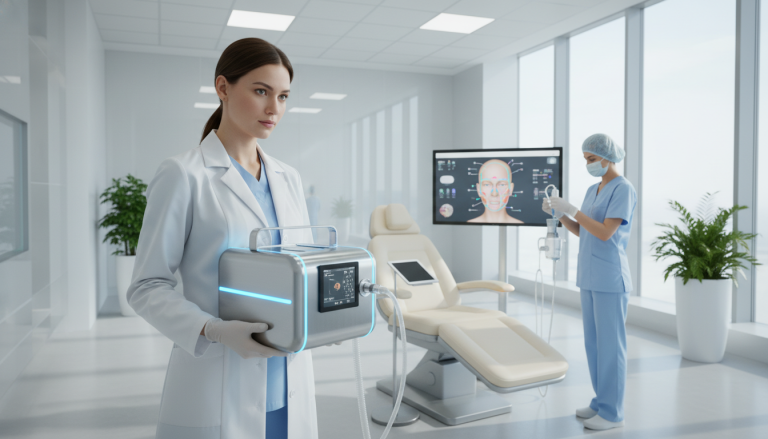






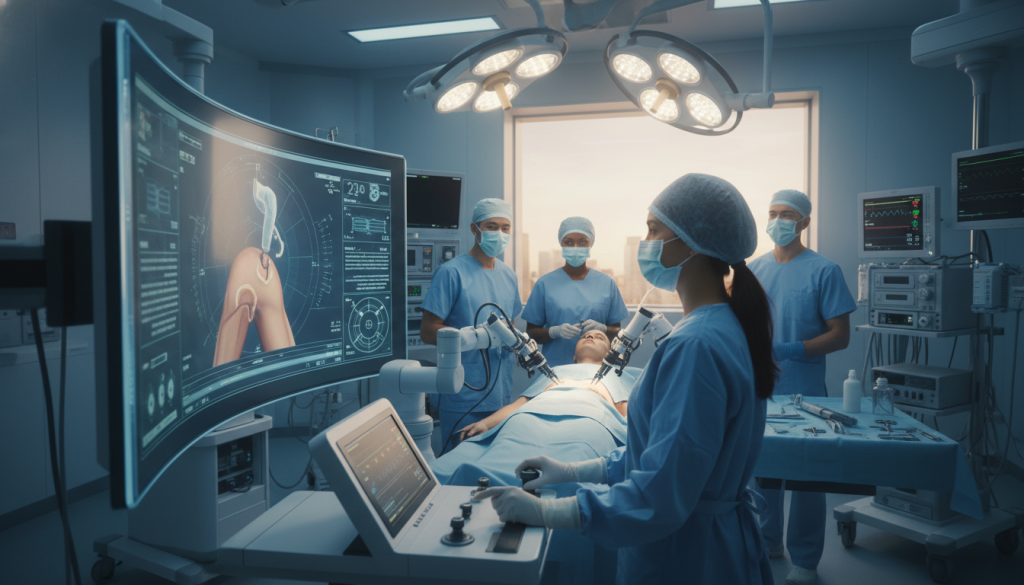
The world of orthopedic care is changing fast. We’re seeing a big shift thanks to digital transformation and new surgical tools. These tools help our doctors do things they couldn’t before.
We use the latest healthcare technology to help patients from all over. Our goal is to give them the best chance for a quick and full recovery. We focus on creating a safe and healthy environment for everyone.
Every patient gets a personalized treatment plan made just for them. We mix old-school medical knowledge with new tech to make sure each shoulder surgery is top-notch. We’re always looking for new ways to improve our care for everyone.
Key Takeaways
- Digital transformation is fundamentally changing how we approach complex orthopedic procedures.
- Advanced surgical instrumentation enables higher precision and better long-term patient outcomes.
- Our institution provides world-class care for international patients.
- Personalized treatment plans ensure that every patient receives care tailored to their specific health needs.
- We remain committed to building sustainable, technologically advanced healthcare infrastructure for the future.
The Evolution of Orthopedic Surgical Precision
Orthopedic surgery has changed a lot, moving from big cuts to precise, small procedures. Old methods used big cuts that took a long time to heal. Now, doctors try to keep the body’s natural parts as whole as they can.
This move to smaller cuts is key to our goal of top-notch care. It helps patients heal faster and better. Innovation is not just a choice; it’s a must for the best care today.
Today’s surgery rooms use top-notch imaging and navigation systems. These tools give surgeons exact data in real time. This means they can do their work with unmatched precision and safety.
The table below shows how old ways differ from today’s:
| Feature | Traditional Surgery | Modern Precision Surgery |
|---|---|---|
| Incision Size | Large/Extensive | Minimally Invasive |
| Tissue Impact | High Trauma | Maximum Preservation |
| Imaging Tech | Standard X-Ray | High-Definition Navigation |
| Recovery Time | Extended | Accelerated |
We keep improving by investing in new medical tech. This way, we make sure every patient gets the best care. Our focus on surgical precision makes us leaders in orthopedic care worldwide.
Robotic Orthopedics and the Future of Shoulder Reconstruction
The field of shoulder reconstruction is changing fast with robotic orthopedics. These advanced tools help surgeons get unprecedented anatomical alignment in complex surgeries. This means every movement is done with extreme precision.
Patients often want to know why they have joint pain. Understanding the cause is key to getting better. For those with joint issues, learning about ostra bol u ramenu jednostavno objašnjenje helps. It shows how new treatments can help restore movement.
These systems give surgeons real-time data during surgery. This constant flow of information greatly reduces the margin of error. This is critical for successful shoulder reconstruction.
Our goal is to use these innovations to make patients safer. We aim for functional recovery timelines, so patients can get back to their lives quickly. With skilled surgeons and robotic help, we’re creating a future where joint health is better than ever.
Synergies Between Shoulder Treatment and Hip Replacement Innovations
Advances in hip replacement are changing how we treat shoulder treatment. By studying successes in lower limbs, our team finds ways to improve upper body surgeries. This teamwork ensures top-notch care for every patient.
By using the same methods for different joints, we keep our results consistent and high-quality. Sharing the latest in joint reconstruction helps everyone in the department. This teamwork leads to faster recovery times for patients.
Patients with problems in many joints need a team approach. Using innovative techniques from hip replacement, we offer a better path to mobility. This way, progress in one area helps improve shoulder treatment for everyone.
We focus on sharing data and surgical skills to improve care. We think shared knowledge is key to good healthcare. By working together, we keep making shoulder treatment and hip replacement better for all patients.
Advanced Pain Management Strategies in Modern Surgery
We use a mix of non-opioid meds to change how we care for surgical patients. This mix helps us manage pain in different ways. It also means we use fewer opioids, which can cause side effects.
These new methods help reduce the stress of big surgeries. When patients feel less pain, they can start moving sooner. This early movement is key to getting better and using the affected area fully.
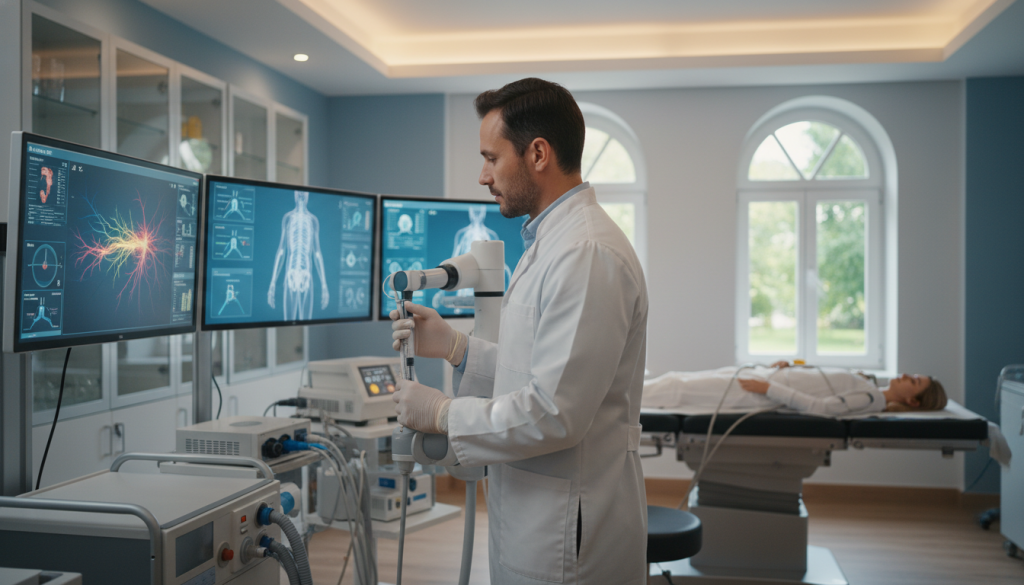
We think making patients comfortable is key to their recovery. Our teams work with each patient to find the best joint pain relief for their surgery. We aim for precision and safety to make the recovery process smooth.
The table below shows how our new way is different from old methods:
| Feature | Traditional Approach | Modern Multimodal Approach |
|---|---|---|
| Primary Medication | Systemic Opioids | Targeted Non-Opioids |
| Recovery Speed | Delayed Mobilization | Rapid Early Mobilization |
| Side Effect Profile | High Risk (Nausea/Drowsiness) | Low Risk (Enhanced Safety) |
| Patient Comfort | Reactive Management | Proactive pain management |
We are dedicated to giving our patients the best care. With these modern methods, we keep getting better at helping patients move and feel better.
The Impact of Sports Medicine on Shoulder Recovery
We’re changing how we treat shoulder injuries by using top sports medicine methods. Our team gives patients the same care as pro athletes. This means faster recovery and getting back to daily life sooner.
Specialized physical therapy is key in our treatment. We use detailed biomechanical analysis to find and fix movement problems. This helps all patients improve their mobility.
We’re all about excellence in our rehab plans. Our goal is to help patients regain their independence. We keep updating our methods with the latest in orthopedic science.
Our care model sees the shoulder as a complex system. We combine expert advice with specific exercises for better mobility. This way, we help patients keep their joints healthy for the long term. Our commitment to sports medicine ensures top-notch support for every patient.
Navigating Knee Arthritis and Shoulder Degeneration Simultaneously
Many patients deal with both knee arthritis and shoulder problems. Treating these issues separately can make care feel disjointed and recovery slow. Our goal is to offer a single plan for all musculoskeletal problems at once.
We use a coordinated care model to manage imaging and treatment plans together. This means scheduling surgeries or therapy sessions in sync. It lessens the patient’s physical and logistical stress, leading to faster recovery and better life quality.
Our teams work together to meet the needs of both joints. When a patient has knee arthritis and shoulder issues, we assess the overall impact. This helps us design a rehabilitation plan that fits each person’s unique situation.
| Treatment Strategy | Primary Benefit | Recovery Focus |
|---|---|---|
| Integrated Surgery | Reduced Anesthesia Exposure | Systemic Mobility |
| Conservative Management | Non-Invasive Relief | Joint Stability |
| Combined Rehabilitation | Optimized Healing Time | Functional Strength |
We’re committed to seamless healthcare so no patient faces joint issues alone. By focusing on both shoulder health and knee arthritis, we aim for top orthopedic care. Our goal is to create lasting solutions for joint health for every patient.
Virtual Reality and Augmented Reality in Surgical Training
Our institution focuses on mastering complex shoulder procedures. We use Virtual Reality and Augmented Reality platforms. These technologies create a detailed environment for our surgical staff’s education.
They simulate complex anatomical challenges. This ensures our medical professionals stay at the top of orthopedic innovation.
These digital tools let surgeons practice in a safe setting. This hands-on training fills the gap between theory and practice. Precision is key, and these simulations help our team improve their skills before surgery.
This focus on advanced education leads to safer patient outcomes. We see investing in the latest tech as vital for top care. By promoting continuous learning, we make sure patients get the best treatments today.
| Training Method | Primary Benefit | Outcome |
|---|---|---|
| Virtual Reality | Immersive Simulation | Enhanced Skill Mastery |
| Augmented Reality | Real-time Guidance | Increased Surgical Precision |
| Traditional Methods | Foundational Knowledge | Standardized Competency |
The Role of Artificial Intelligence in Diagnostic Accuracy
Our institution uses Artificial Intelligence to set a new standard in diagnostic accuracy for complex shoulder conditions. These advanced algorithms look through vast amounts of data. They find patterns that humans might miss.
This ensures every diagnosis is based on solid, data-driven insights.

We use high-resolution medical imaging to see the shoulder’s detailed structures. AI tools then analyze these scans. They spot early signs of degeneration or injury in orthopedic conditions.
By catching these issues early, we offer patients more effective and timely treatments.
This technology is at the heart of our commitment to precision medicine. It helps our specialists create treatment plans that fit each patient’s unique anatomy. We’re committed to using these innovations to enhance joint health and patient outcomes over the long term.
Patient-Centered Care and Wearable Technology
Patient-centered care has entered a new era with wearable devices. These devices connect surgery and recovery. They use advanced sensors to track mobility improvement in real-time.
These devices give our clinical teams objective data that’s hard to get outside of a hospital. They use this data to adjust rehabilitation plans. This helps patients get the best care possible.
We use this technology to keep in touch with patients at home. This leads to better recovery and faster mobility improvement for those with shoulder procedures. Our goal is to support patients fully during their recovery.
Addressing Bone and Joint Care Through Telemedicine
Telemedicine is changing how we offer bone and joint care worldwide. It uses digital tools to bring top medical care to people everywhere. This way, patients can get expert advice without leaving their homes.
Our online platform makes it easy to have remote doctor visits and check-ups. This continuity of care is key for tracking how well you’re healing and tweaking your treatment plan. We aim to make care better by cutting down on travel and keeping quality high.
Good bone and joint care needs clear talks between doctors and patients. Our telemedicine helps make these talks safe and easy. We think tech should link patients to the care they need.
| Feature | Traditional Care | Telemedicine |
|---|---|---|
| Accessibility | Limited by Location | Global Reach |
| Consultation | In-Person Only | Remote & Secure |
| Follow-up | Scheduled Visits | Real-time Monitoring |
By using these digital tools, we stick to our goal of top-notch healthcare. Our main focus is on innovation and patient-centered outcomes. We keep improving our online services to give each patient the care they need for lasting health.
Robotic Surgery and the Reduction of Surgical Complications
The use of robotic surgery has changed how we do complex orthopedic surgeries. Our surgeons now have a precision that was hard to get before. This new tech has led to fewer problems after surgery for our patients.
Robotic systems help place implants perfectly. For a hip replacement, small mistakes can affect how well the joint works later. With robotic help, we can make adjustments as we go, ensuring everything is just right.
We keep investing in these advanced tools. We see robotic surgery as key to safe, modern care. By using these tools, we offer top care in the U.S.
Studies show patients do better after a hip replacement with robotic help. They recover faster and need fewer follow-up surgeries. We keep watching these results to get even better at what we do. Patient safety is always our top goal.
Sustainable Solutions for Long-Term Joint Health
We believe in top-notch orthopedic care that’s good for the planet and our patients. We use green practices in our work. This way, we offer joint pain relief and cut down on harm to the environment. Our goal is to keep our services available for years to come.
We choose materials and tech that last a long time. This means fewer surgeries for our patients. It also saves resources. For tips on staying mobile, check out our info on bol u zglobovima uzroci i prevencija za zdrave.
Being green is a big deal for us. We keep improving our setup to help with joint pain relief. We use less energy and make less waste. Here’s how we’re changing for the better.
| Practice Area | Traditional Approach | Sustainable Innovation |
|---|---|---|
| Resource Usage | High waste generation | Circular material management |
| Surgical Planning | Standardized protocols | Precision-based, low-waste |
| Patient Outcome | Short-term symptom focus | Long-term joint pain relief |
| Energy Strategy | Standard grid reliance | Renewable energy integration |
Embracing the Technological Shift in Orthopedic Excellence
Modern medicine is changing how we recover and stay mobile. Robotics, artificial intelligence, and digital tools are leading the way. They help those with chronic pain find relief.
We’re all about keeping up with these advances. Our goal is to give top-notch bone and joint care to everyone. We focus on being precise and safe in every treatment.
Innovation is key to our success in orthopedics. We keep investing in the latest technology. This makes surgeries more accurate and healing more comfortable for patients.
We aim to offer the best medical solutions today and tomorrow. We’re committed to maintaining high standards in bone and joint care. We also build a strong future for the next generation of patients.
Your health journey gets better with our constant search for new tech and smarter care. We encourage you to check out these modern options. Together, we’re moving towards a future of lasting health and mobility.
FAQ
Q: How are modern technological advances transforming shoulder treatment outcomes?
A: New tech like digital transformation and advanced tools are changing orthopedic care. We use robotic surgery and high-definition systems for better treatment plans. This leads to better health and stability for our patients.
Q: What is the significance of the evolution from traditional to minimally invasive surgery?
A: Moving to modern, less invasive surgery helps save tissue and improve mobility. We use systems like Stryker Mako and Zimmer Biomet ROSA for better accuracy. This shows our commitment to top-notch care and faster recovery.
Q: How does robotic surgery improve the accuracy of shoulder reconstruction?
A: Robotic surgery gives surgeons real-time data for better alignment in complex surgeries. Tools like Velys Digital Surgery help reduce errors. This means patients can move better and recover faster.
Q: Can technological innovations in hip replacement be applied to shoulder surgery?
A: Yes, we use hip replacement tech for shoulder surgery too. This ensures consistent, high-quality care across our department. It helps advance care in both areas.
Q: What strategies are employed for effective pain management after orthopedic procedures?
A: We use a mix of pain treatments to reduce surgery stress and opioid use. This makes recovery faster and more comfortable. Patients can start rehab sooner.
Q: How does the application of sports medicine principles accelerate recovery?
A: We apply sports medicine ideas to general recovery plans. This includes biomechanical analysis and special physical therapy. It helps patients get back to their daily activities quickly and confidently.
Q: How is the treatment of knee arthritis coordinated with shoulder degeneration?
A: For patients with both knee and shoulder issues, we create a single care plan. This approach makes care smoother and addresses all concerns at once.
Q: What role do Virtual Reality and Augmented Reality play in surgical excellence?
A: Tools like Osso VR and PrecisionOS help our team practice in a safe space. Augmented reality lets them perfect complex surgeries. This ensures top patient safety.
Q: How does Artificial Intelligence contribute to diagnostic accuracy in orthopedics?
A: AI analyzes images to spot details humans might miss. This helps us give accurate diagnoses and create precise treatment plans for each patient.
Q: How is wearable technology used to monitor patient progress after surgery?
A: Wearable tech tracks patients’ progress after surgery. This lets us adjust rehab plans as needed. It keeps care going even after patients go home.
Q: Can international patients access bone and joint care through telemedicine?
A: Yes, our telemedicine services reach patients worldwide. They can get expert advice and care from anywhere. This keeps care continuous during their journey.
Q: Does the use of robotic platforms lead to a reduction in surgical complications?
A: Yes, robotic surgery cuts down on complications. It ensures implants are placed correctly, which is key for avoiding long-term problems and keeping patients safe.
Q: What is the institution’s commitment to sustainable joint health?
A: We aim to create sustainable healthcare for joint health. We focus on eco-friendly practices and durable medical solutions. Our goal is to provide top-notch care for generations to come.