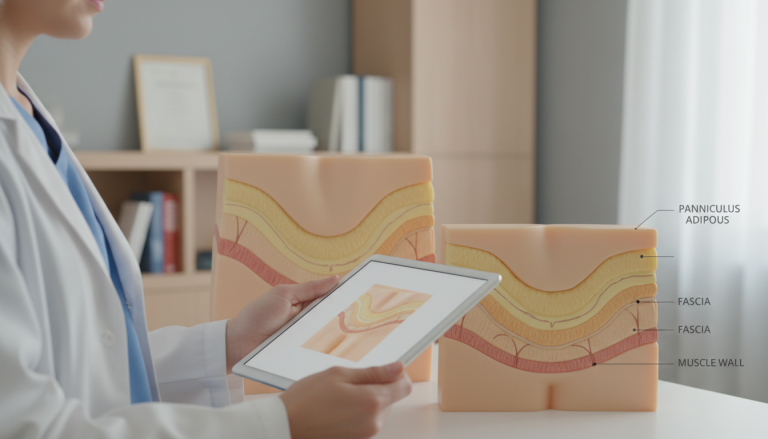

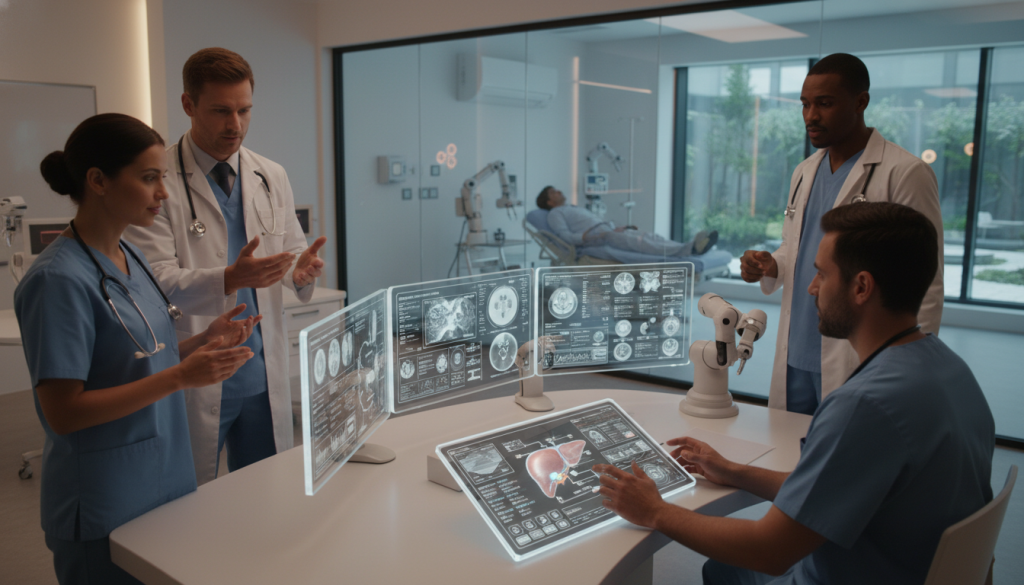
Modern medicine is changing how we treat end-stage liver disease. We use a detailed, team-based approach to make care personal for each patient.
We think that being open to new ideas is key to better care for complex cases. Our team uses the latest tools to make sure each liver treatment fits the person’s needs perfectly.
This approach helps us catch problems early. It also shows why a kidney transplant check is important in modern liver care.
Key Takeaways
- Multidisciplinary teams are essential for managing complex liver conditions.
- Advanced diagnostic tools allow for highly personalized patient care pathways.
- Institutional innovation directly correlates with improved clinical outcomes.
- Early evaluation for organ replacement is a vital component of hepatology.
- Tailored treatment plans address the unique physiological needs of every patient.
The Evolution of Hepatology Care in the United States
Modern hepatology care in the United States focuses on using technology and being very precise. Over the years, doctors have moved from general treatments to specific, data-based approaches. This change means patients get treatments that really fit their needs, helping with chronic liver problems.
Our place is leading this change by focusing on strong systems. We use advanced analytics to make our treatments better. This way, every choice we make is based on solid evidence. We keep getting better, helping patients now and in the future.
Switching to standard treatments has made care more consistent across the country. These plans help doctors handle risky cases better and safer. Below is a table showing important steps in hepatology care today.
| Development Phase | Primary Focus | Clinical Impact |
|---|---|---|
| Early 2000s | Standardized Diagnostics | Improved Early Detection |
| 2010-2015 | Data-Driven Protocols | Enhanced Treatment Accuracy |
| 2016-Present | Integrated Technology | Optimized Patient Survival |
We think the future of this field is combining human skill with digital tools. By always looking to improve, we keep raising the bar for quality. Our dedication to being the best means patients get top-notch care in the United States.
Precision Diagnostics and Early Intervention Strategies
Finding liver problems early is key to avoiding serious damage. Our teams use advanced diagnostic tools to spot small changes before they become big issues. This early action helps us use the right treatments to keep organs working well.
We mix high-tech imaging and special biomarkers for unparalleled diagnostic accuracy. These tools give a detailed look at the liver’s health. This lets doctors create plans that fit each patient’s needs. It means everyone gets a quick and accurate check-up.
Using these methods helps our patients live better lives. We catch problems early, which means better outcomes and fewer big surgeries. Our focus on top-notch diagnostics is a big part of our mission.
| Diagnostic Method | Primary Benefit | Clinical Application |
|---|---|---|
| Molecular Biomarkers | Early detection of cellular stress | Routine screening |
| Advanced Imaging | High-resolution structural analysis | Lesion characterization |
| Genetic Profiling | Personalized risk assessment | High-risk patient monitoring |
| Elastography | Non-invasive fibrosis staging | Chronic liver disease tracking |
The Role of Multidisciplinary Teams in Complex Cases
We believe that the best results for liver patients come from working together. Handling severe liver failure needs a sophisticated approach that one person can’t do alone. By combining hepatologists, surgeons, radiologists, and nurses, we make sure every decision is well thought out.
Our teams get together often to check on patient progress. We change treatment plans based on new evidence and strict standards. This proactive strategy helps us tackle problems early, keeping our care precise and effective.
This team approach makes sure we cover all parts of a patient’s health. From the start to long-term care, we use shared knowledge to offer complete care. Our team-based work shows our commitment to top patient results through teamwork.
| Specialist Role | Primary Responsibility | Contribution to Care |
|---|---|---|
| Hepatologist | Liver disease management | Medical stabilization and monitoring |
| Transplant Surgeon | Surgical intervention | Procedural planning and execution |
| Radiologist | Advanced imaging analysis | Diagnostic accuracy and guidance |
| Specialized Nurse | Patient advocacy and support | Daily care and recovery coordination |
Advancements in Donor Matching and Organ Allocation
Precision in donor matching is key for successful transplants in the U.S. New tech has changed how organs are shared. We use detailed data to match the right patient with the right organ at the best time.
Our team uses smart algorithms to make the organ allocation process smoother. These tools look at biological markers and how urgent the transplant is. This data-driven approach cuts down wait times and boosts graft survival rates for patients nationwide.
We are dedicated to the highest ethical standards in organ sharing. Every step in the donor matching process follows strict rules and is open. This ensures fairness and care for everyone on the transplant list.
| Feature | Traditional Methods | Modern Algorithmic Systems |
|---|---|---|
| Matching Speed | Manual and Slow | Real-time Processing |
| Compatibility Accuracy | Basic Blood Typing | Advanced Genomic Profiling |
| Allocation Fairness | Regional Limitations | National Equitable Access |
| Donor Matching Focus | Limited Data Points | Comprehensive Clinical Metrics |
These advanced systems mark a big step forward in liver medicine. By focusing on efficiency and accuracy, we’re building a strong future for organ transplants. Our aim is to make every transplant as precise as modern medicine allows.
Integrating Kidney Transplant Protocols for Combined Organ Failure
When liver and kidney failure happen together, a special treatment plan is key for survival. Patients with this issue need a detailed approach that links complex surgeries. Our teams are skilled in handling the body’s needs when organs fail to work right.
We focus on a single surgical plan for the liver and kidney. This coordinated care is critical for those needing a kidney transplant to get better. By working together, we lower risks and help patients recover faster.

Dealing with diseases in multiple organs is complex and requires constant care. It’s important to know the complications that can happen after treatment. Our experts work hard to prevent these problems with careful monitoring and proven treatments.
The success of a kidney transplant when the liver is also sick depends on keeping the body stable. We’re dedicated to supporting patients fully during surgery. This approach gives hope to those facing severe kidney failure and liver problems.
Innovations in Advanced Surgery and Minimally Invasive Techniques
Today, patients get to enjoy a new era of surgery that focuses on quick recovery and better results. The use of advanced surgery techniques has changed how we tackle complex liver and bile duct problems. We make sure every surgery is done with the utmost care and safety.
Our surgical teams use cutting-edge robotic tools to work on hard-to-reach areas. These tools help us be more precise and cause less harm to the patient. Minimally invasive methods are now common for tough cases, leading to shorter hospital stays and better health in the long run.
We are dedicated to using the latest medical tech to keep our care top-notch. This commitment means our patients get the best treatments in modern medicine. For those dealing with serious conditions, knowing all hronicna bubrezna insuficijencija opcije lecenja options is key for full organ support.
The ongoing growth of advanced surgery lets us explore new possibilities in the operating room. By blending expert skills with robotic accuracy, we offer a reassuring path forward for our patients. Our goal is to provide lasting, high-quality healthcare that boosts survival rates and improves life quality.
Optimizing Nephrology Care for Patients with Hepatorenal Syndrome
When liver failure affects the kidneys, nephrology care is key to helping patients. Hepatorenal syndrome is a big challenge because it involves both the liver and kidneys. Our team works closely with liver specialists to manage this complex situation.
We use proven treatments that focus on the root cause of the problem. Our goal is to improve kidney function and keep the patient stable. This careful approach helps patients get the best care possible.
Our advanced nephrology care lets us closely watch how the body’s blood flow changes. We use top-notch tools to check how well the kidneys are working. This focus on quality helps us reduce risks and improve results for our patients.
| Protocol Feature | Standard Approach | Advanced Institutional Care |
|---|---|---|
| Renal Perfusion Monitoring | Basic fluid assessment | Continuous hemodynamic tracking |
| Therapeutic Focus | General supportive care | Targeted nephrology care |
| Team Collaboration | Consultation-based | Integrated multidisciplinary units |
| Outcome Strategy | Reactive management | Predictive stabilization |
We focus on seamless communication between teams to give patients the best care. By following these detailed plans, we keep care consistent and safe. We’re committed to improving care for those with the toughest medical issues.
Personalized Treatment Planning for High-Risk Candidates
Success in treating liver failure starts with a personal approach. We know each patient is different, facing unique challenges. So, we tailor our care to meet each person’s needs.
Our teams do detailed checks to create bespoke care pathways. These plans help lower risks and prepare patients for big surgeries. We consider things like health conditions, age, and overall health. Precision is key in caring for those at high risk.
We think a custom plan is vital for the best results. By using detailed health data and a patient’s history, our experts make a safe and effective plan. This focus on excellence helps us help patients who might not qualify for complex surgeries.
| Risk Factor | Clinical Impact | Mitigation Strategy |
|---|---|---|
| Advanced Age | Reduced physiological reserve | Pre-habilitation programs |
| Multiple Comorbidities | Increased surgical stress | Multidisciplinary optimization |
| Low Physiological Reserve | Delayed recovery times | Targeted nutritional support |
| Chronic Organ Dysfunction | Systemic instability | Continuous hemodynamic monitoring |
We’re all about personalized medicine. We don’t use a one-size-fits-all approach. Instead, we keep improving our plans based on patient data and new medical knowledge. This approach helps us succeed, even with the toughest cases in the U.S.
Leveraging Artificial Intelligence in Predictive Patient Outcomes
Artificial intelligence has changed hepatology a lot. It helps us keep patients safer and care for them better. Our team uses smart algorithms to guess problems before they happen.
This proactive approach means we can stop problems before they start. It’s a big change from just reacting to issues.
We use advanced predictive analytics to watch patient data all the time. These systems look at lots of clinical info to find small trends. Real-time monitoring lets our experts get alerts fast. This helps them make quick, smart choices.
This new tech helps us use resources better and plan treatments just for each patient. If we spot risks early, we can change treatments right away. Enhanced precision in these changes means better results and more efficient use of hospital resources.
We keep working to use these new tools every day. By mixing human skill with machine smarts, we make a safer place for patients. This mix is key to handling liver failure and keeping our institutional commitment to top-notch care strong.
Standardizing Transplant Recovery and Post-Operative Monitoring
Standardizing post-operative care is key to successful transplant outcomes. We use uniform clinical protocols to ensure all patients get the same care during transplant recovery. This approach reduces variability and boosts graft success.
Our teams closely monitor patients for early signs of trouble, like organ rejection or infection. We act fast if we see any issues. This is very important for kidney transplant patients, who need careful fluid and immunosuppression management.

We also focus on psychological adjustment in healing. Our support programs cover physical and emotional needs. We help patients smoothly return to their lives with education and ongoing care.
The table below shows our monitoring framework’s core phases. It’s designed to improve patient health and graft life.
| Monitoring Phase | Primary Focus | Clinical Objective |
|---|---|---|
| Immediate Post-Op | Hemodynamic Stability | Prevent Acute Rejection |
| Early Recovery | Infection Screening | Stabilize Graft Function |
| Transition Phase | Medication Adherence | Restore Daily Activity |
| Long-Term Follow-up | Metabolic Health | Ensure Graft Survival |
By sticking to standardized protocols, we help patients feel confident in their recovery. Our dedication to excellence means every step of the post-op journey is backed by the latest medical knowledge and a dedicated team.
Addressing Nutritional and Metabolic Needs Before Surgery
Our clinical teams focus on detailed nutritional assessments to make sure every patient is in top shape before surgery. Nutritional and metabolic optimization is key in our pre-surgery plan for those with advanced liver disease.
Our dietitians and metabolic experts find specific deficiencies early. They then create individualized nutrition plans for each patient. These plans aim to fix essential nutrient gaps and balance metabolic pathways affected by chronic liver issues.
Improving metabolic health lowers the chance of complications after surgery. A well-fed body heals better and is more resilient during the tough recovery after surgery.
We think that managing metabolism before surgery is vital for success. Below is a table showing the main areas our specialists work on before surgery to ensure the best results for patients.
| Nutritional Focus | Clinical Objective | Expected Benefit | Monitoring Method |
|---|---|---|---|
| Protein Intake | Prevent muscle wasting | Improved physical strength | Serum albumin levels |
| Micronutrient Balance | Correct vitamin deficits | Enhanced immune function | Blood panel analysis |
| Glycemic Control | Stabilize blood glucose | Reduced infection risk | HbA1c testing |
| Fluid Management | Maintain electrolyte balance | Optimal organ perfusion | Daily weight tracking |
Psychosocial Support Systems for Transplant Recipients
The journey of a transplant recipient is not just physical. It’s also a big emotional and mental challenge. We focus on the mental health of our patients as much as their physical health. This is key for a successful kidney transplant.
We provide many psychosocial services to help patients and their families. These include personalized counseling sessions and support groups. These groups help people feel connected and supported.
We see our patients as more than just medical cases. Our team works hard to support their emotional well-being. We know that mental resilience is key for long-term health.
| Support Service | Primary Benefit | Availability |
|---|---|---|
| Individual Counseling | Emotional Stability | On-Demand |
| Peer Support Groups | Shared Experience | Weekly |
| Family Workshops | Caregiver Education | Monthly |
Managing Chronic Complications and Long-Term Failure Treatment
We focus on long-term recovery at our institution. We use detailed monitoring and failure treatment plans. We know that getting better is a long journey, not just one surgery.
Keeping an eye on patients with ongoing liver problems is key. We check in regularly to stop the disease from getting worse. This way, we catch any new symptoms early.
We aim to improve the lives of those with chronic conditions. Our team creates care plans tailored to each patient. This helps us manage complications and keep a close eye on their health. Our goal is to provide top-notch healthcare.
| Monitoring Category | Frequency | Primary Objective |
|---|---|---|
| Biochemical Profiling | Quarterly | Assess organ function |
| Imaging Surveillance | Bi-annually | Detect structural changes |
| Symptom Management | Monthly | Improve patient comfort |
| Failure Treatment Review | Annually | Optimize long-term strategy |
The Impact of Telemedicine on Remote Patient Monitoring
Remote patient monitoring is key to our goal of making liver care better and more accessible. We use advanced digital tools to change how we check in with patients. This makes communication between doctors and patients more frequent and easy.
We use secure digital platforms to track vital signs and symptoms from patients’ homes. This technology cuts down on the need for frequent travel. Travel can be hard for those with complex liver conditions. So, we make follow-up visits easier for everyone.
We’re committed to growing our telemedicine services. We want to make sure all patients get great care, no matter where they are. Our aim is to keep care going smoothly with new virtual solutions. This way, we can keep a close eye on our patients’ needs.
The future of remote monitoring in liver care looks bright. As we keep improving these digital systems, we expect better early detection and health outcomes. We’re excited to be at the forefront of this change in the U.S. We’re focused on innovation and making healthcare comfortable for everyone.
Future Directions in Regenerative Medicine and Liver Support
Medical science is growing fast, thanks to regenerative medicine. We’re excited to explore new research that could change liver treatment for everyone. Our goal is to fix damaged livers for good, not just treat symptoms.
Our team is working on clinical trials with stem cell therapy. This method helps the body fix itself, which could be a game-changer for organ health. We’re also testing liver devices that can help patients until they get a transplant.
These new technologies are huge steps forward in medicine. By using them, we offer hope to those with few treatment options. Our dedication to excellence keeps us leading in these life-changing advancements.
| Technology Type | Primary Function | Clinical Status |
|---|---|---|
| Stem Cell Therapy | Tissue Regeneration | Phase II Trials |
| Bio-artificial Liver | Extracorporeal Support | Pilot Testing |
| Gene Editing | Genetic Correction | Pre-clinical Research |
| Advanced Liver Treatment | Organ Restoration | Ongoing Development |
Transforming the Future of Patient Survival Through Integrated Care
Modern medicine is all about teamwork and always getting better. We use the latest tech and expert teams to set new healthcare standards. This is key to helping patients survive complex medical issues.
We work hard to build a strong healthcare system for the future. Our goal is to make sure everyone gets top-notch care. We believe that new ideas lead to better health for all.
Patients can learn from survival stories and experiences to see how care works. We encourage everyone to help us make these life-saving plans even better. Our focus is on giving patients the best care possible!
The future of healthcare means always improving surgery and diagnosis. We listen to our community and follow strict rules. Our dedication to excellence keeps us at the top in liver and kidney health.
FAQ
Q: How is advanced treatment planning revolutionizing liver failure treatment?
A: Modern medicine is changing how we treat liver failure. It now uses a team approach and advanced tools. This ensures each treatment plan is tailored for the best results, marking a big change in treating end-stage organ disease.
Q: What characterizes the evolution of hepatology care in the United States?
A: Hepatology care in the U.S. has evolved with technology and standard protocols. Top hospitals use data and strong systems to improve treatments. This ensures patients with chronic liver diseases get the best care, meeting international standards.
Q: Why are precision diagnostics essential for early liver treatment?
A: Precision diagnostics help find liver problems early. This allows for quick action to save the organ. It’s key for improving survival rates by getting accurate and timely assessments.
Q: How do multidisciplinary teams manage complex hepatobiliary cases?
A: At places like Mayo Clinic or Cleveland Clinic, teams work together. They include doctors, surgeons, and radiologists. This teamwork ensures all aspects of a patient’s health are considered, leading to better treatment plans.
Q: How has technology improved donor matching and organ allocation?
A: Technology has made finding the right organ match more efficient. Algorithms now help match organs based on compatibility and urgency. This approach keeps ethical standards high and increases transplant availability.
Q: What protocols are in place for patients facing both liver and kidney failure?
A: For patients with both liver and kidney failure, a special approach is needed. Our teams use specific protocols to manage kidney issues while treating liver disease. This ensures a coordinated surgery for the best transplant recovery.
Q: What role does advanced surgery play in improving patient outcomes?
A: Advanced surgery, like minimally invasive techniques, has greatly improved recovery times. By using the latest technology, we offer safer and more precise surgeries. This is very important for complex liver procedures.
Q: Why is specialized nephrology care vital for patients with hepatorenal syndrome?
A: Patients with hepatorenal syndrome need expert nephrology care. Specialists work with hepatology teams to use proven therapies. This helps stabilize kidney function and supports the patient’s overall health during treatment.
Q: How is care personalized for high-risk transplant candidates?
A: High-risk patients get customized treatment plans. These plans consider their specific health issues and how well they can handle surgery. This approach reduces risks and prepares patients for major surgeries, giving them the best care possible.
Q: How does artificial intelligence contribute to patient survival?
A: Artificial intelligence helps monitor patients in real-time and predict complications. It uses data to make care plans more precise. This improves survival rates by making decisions based on patient data.
Q: What measures are taken to ensure a successful transplant recovery?
A: To ensure graft survival, we have strict transplant recovery protocols. Our post-op monitoring catches early signs of problems. This support helps patients recover smoothly and return to their daily lives.
Q: How do nutritional and metabolic assessments impact surgical readiness?
A: Preparing patients for surgery includes optimizing nutrition and metabolism. Personalized nutrition plans help improve physical condition. This reduces risks and helps the body heal better after surgery.
Q: What psychosocial support systems are available for transplant recipients?
A: We offer holistic psychosocial services for transplant patients. This includes counseling and support groups. These resources help patients and families deal with the emotional challenges of transplantation, focusing on mental health alongside physical recovery.
Q: How are chronic complications managed following liver treatment?
A: Managing chronic complications requires ongoing care. Our clinics provide surveillance and symptom management. This ensures patients with chronic liver issues maintain a good quality of life through continuous monitoring and specialized care.
Q: What is the impact of telemedicine on remote monitoring for liver patients?
A: Telemedicine has changed remote monitoring for liver patients. It allows teams to track vital signs and symptoms online. This reduces travel needs and ensures consistent access to quality care, making it easier to adjust treatment plans as needed.
Q: What are the future directions for regenerative liver treatment?
A: The future of liver treatment includes regenerative medicine and bio-artificial devices. We’re involved in trials using stem cells to restore organ function. This research aims to offer new hope for patients with limited treatment options.
Q: How does integrated care transform the future of patient survival?
A: Integrated care is key to improving patient survival. It combines advanced technology with a focus on the patient. By building strong healthcare systems and focusing on excellence, we’re ready to provide top care for future generations while caring for the environment.