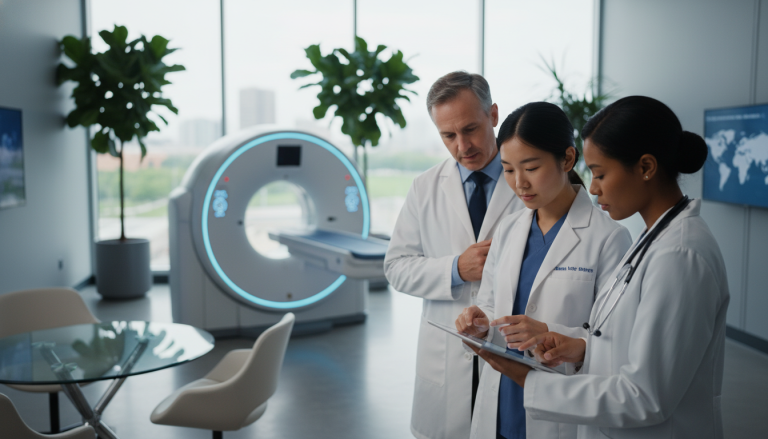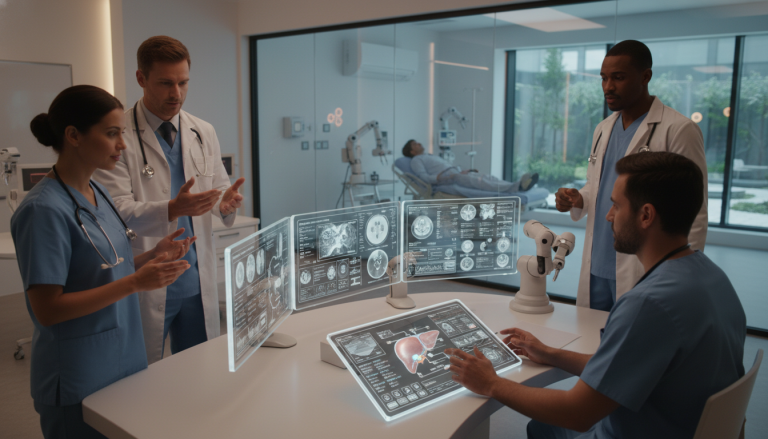


Getting a lung cancer diagnosis is tough. It takes emotional strength and access to advanced medical resources. Our place focuses on you, using the latest tech and care. We want families to understand the treatment options well.
Today’s healthcare lets us do treatments with great accuracy. Targeted therapy is one example. It targets specific parts of cancer cells to help patients more. This way, we make sure each treatment fits the person’s needs.
We aim to be the best in more than just treatment results. We want to earn your trust by giving you the facts you need. With targeted therapy, we’re always looking to do better in fighting cancer.
Key Takeaways
- Advanced technology significantly improves the precision of lung cancer care.
- Patient-centered strategies prioritize long-term health and quality of life.
- Evidence-based pathways provide families with a clear roadmap for treatment.
- Modern medical infrastructure supports sustainable and effective clinical outcomes.
- Building trust through transparent communication remains our primary institutional goal.
The Evolving Landscape of Lung Cancer Care
Lung cancer treatment has changed a lot. Now, doctors use special, data-based treatments. They focus on precision medicine, making treatments fit each patient’s tumor.
This change from old ways to individualized care models is a big step forward in fighting cancer.
Hospitals are investing in research and new tech. This helps them offer better treatments. Families want to know about the future, like how long can you live with lung cancer.
Today, doctors from different fields work together. Collaboration is the cornerstone of this new way. They watch over every part of a patient’s health.
This team effort helps avoid risks and aims for the best results. It’s all about coordinated medical efforts.
| Care Aspect | Traditional Approach | Modern Precision Model |
|---|---|---|
| Treatment Strategy | Generalized Protocols | Genomic-Based Therapy |
| Diagnostic Focus | Symptom Management | Early Molecular Detection |
| Clinical Team | Isolated Specialists | Integrated Multidisciplinary Teams |
| Technology Use | Standard Imaging | AI-Enhanced Diagnostics |
We keep working to make life better for everyone. Our goal is to make healthcare better and more accessible. By mixing care with new tech, we’re making lung cancer treatment more precise.
Understanding the Role of Targeted Therapy in Modern Oncology
Targeted therapy is a big step forward in treating lung cancer. It works by focusing on the genetic mutations that cause tumors to grow. This way, doctors can stop cancer cells from growing and spreading.
Using these treatments requires careful planning to keep patients safe and effective. Our teams make sure each patient gets the right treatment for their specific needs. This why targeted therapy is replacing old methods shows our focus on personalized care.
This approach helps reduce the side effects of cancer treatment. Because it targets specific cells, healthy tissue is less affected. This leads to a better quality of life for patients during recovery.
| Feature | Traditional Chemotherapy | Targeted Therapy |
|---|---|---|
| Mechanism | Kills all rapidly dividing cells | Disrupts specific molecular pathways |
| Precision | Systemic (affects whole body) | Highly localized (tumor-specific) |
| Side Effects | Often severe and widespread | Generally more manageable |
| Requirement | Standardized dosing | Genetic mutation testing |
We use innovative diagnostic tools to tailor treatments to each patient. This dedication to excellence keeps us leading in modern oncology. We keep improving to give our patients the best care.
Advancements in Cancer Diagnosis and Early Detection
Today, healthcare focuses on quick and accurate tests to help patients live longer. Finding cancer early lets doctors start targeted interventions right away. This early action is key to better patient results.
The field of diagnostic imaging and molecular testing has grown a lot. Now, doctors can see tumors clearly with high-tech scans and genetic tests. This means each patient gets a treatment plan made just for them.
The big leap forward is liquid biopsy. It’s a simple blood test that lets doctors keep an eye on tumors without surgery. This way, they can see how well treatments are working without taking more tissue samples.
We’re all about making sure patients get the best diagnosis possible. We use these new tools to make sure every treatment is as effective as it can be. Below, you’ll see how we’ve moved from old ways to new, precise methods.
| Diagnostic Method | Primary Benefit | Invasiveness Level |
|---|---|---|
| Traditional Biopsy | High tissue sample quality | High (Surgical) |
| Advanced Imaging | Detailed anatomical mapping | Low (Non-invasive) |
| Liquid Biopsy | Real-time tumor monitoring | Minimal (Blood draw) |
| Molecular Profiling | Genetic mutation identification | Low (Sample-based) |
The Integration of AI in Oncology for Personalized Treatment
The use of AI in oncology is a big step forward in personalized care. It lets us use advanced digital tools to change how we treat cancer. Now, we can focus on precision medicine instead of just following general plans.
Our team uses smart algorithms to look at big data. This helps us guess how a patient will react to certain treatments. These tools are key for our teams, making sure every decision is based on solid data. This teamwork helps us find the best treatment for each person.
Thanks to artificial intelligence, we can make treatment plans that really fit each patient. This personal touch is key to better results and fewer side effects. We’re all about using these new tools to give top-notch care.
| Feature | Traditional Planning | AI-Enhanced Planning |
|---|---|---|
| Data Analysis | Manual Review | Automated Big Data |
| Treatment Focus | Standardized Protocols | Individualized Biology |
| Decision Support | Clinical Experience | AI in Oncology Insights |
Exploring Current Immunotherapy Options
Immunotherapy is a big step forward in treating advanced lung cancer. It uses the body’s immune system to fight cancer cells. This way, we can help patients recover more effectively.

We follow strict rules to keep patients safe while using these treatments. Our team watches for any bad reactions closely. This way, we can help patients stay on track with their treatment.
This new way of treating cancer has changed things a lot. Now, many people can live longer and have better outcomes. These treatments are key to modern cancer care.
We aim to give each patient a treatment plan that works for them. As we keep improving these treatments, we want to make life better for everyone. We believe in the power of the immune system to fight cancer.
The Importance of Seeking an Oncology Second Opinion
Getting an oncology second opinion is key to top-notch care. It helps families understand complex diagnoses better. This step is not just a formality; it’s a critical part of caring for patients today.
We value working together to review treatment plans. We think clinical accuracy comes from different doctors’ views. This way, we make sure all treatment options are considered.
Our mission is built on being open and excellent. We support multi-expert evaluation processes because they help patients make better health choices. An oncology second opinion helps confirm complex treatment plans.
| Evaluation Type | Clinical Benefit | Patient Outcome |
|---|---|---|
| Single Expert | Standardized care | Baseline confidence |
| Multi-Expert Review | Enhanced diagnostic precision | Increased treatment clarity |
| Comprehensive Audit | Validation of therapeutic path | Optimized health results |
Seeking an oncology second opinion shows a proactive way to handle lung cancer. We’re dedicated to helping families trust their medical choices. Collaborative care is our promise to excellence.
Navigating the Expertise of Cancer Specialists
Finding the right cancer specialists is key to top-notch care. Thoracic oncology is complex, needing experts with deep knowledge and experience. Look for places that use a multidisciplinary approach to cover all aspects of your health.
Effective treatment plans come from teamwork. Surgeons, medical oncologists, and radiologists work together. They aim to fight the disease while keeping your quality of life high. This collaborative environment is critical for tackling tough cases.
Getting an oncology second opinion is a smart move. It lets you check your diagnosis and explore new treatment options. It can bring reassurance and clarity during a stressful time.
We’re dedicated to connecting you with leading professionals. Whether you’re looking at surgery or systemic treatments, an oncology second opinion ensures your choice is evidence-based. We think informed patients are more confident on their recovery path.
| Specialist Role | Primary Responsibility | Collaborative Focus |
|---|---|---|
| Thoracic Surgeon | Surgical intervention | Minimally invasive techniques |
| Medical Oncologist | Systemic therapy | Targeted drug delivery |
| Radiation Oncologist | Precision radiation | Tumor site accuracy |
Evaluating Cancer Treatment Abroad
Looking into cancer treatment abroad means weighing medical skills against travel plans. Families might look overseas for treatments or tech not found at home. Choosing this path is a big decision that needs deep research and expert advice.
We’re dedicated to international cancer care, ensuring patients get top-notch support wherever they are. We follow strict rules to keep care safe and smooth worldwide. This lets families trust their medical journey is in good hands.
Our international cancer care focus is on keeping care consistent. We make sure doctors talk well, linking local care with global experts. This way, patients get a treatment plan that works best for them.
The table below shows important things to think about when picking a treatment place. It helps families make a choice that fits their needs.
| Consideration Factor | Domestic Care | International Care |
|---|---|---|
| Clinical Specialization | Standardized Protocols | Advanced Niche Technology |
| Regulatory Oversight | Local Health Boards | Global Compliance Standards |
| Care Coordination | Direct Physician Access | Integrated Global Networks |
| Logistical Support | Minimal Travel Required | Comprehensive Patient Concierge |
The Role of Genomic Testing in Treatment Selection
Personalized medicine starts with knowing a patient’s unique genetic makeup. By studying a tumor’s molecular details, doctors can go beyond one-size-fits-all treatments. This precision-driven approach helps patients get the right targeted therapy for their genetic profile.
Our lab can quickly and accurately sequence tumor tissue. We use cutting-edge tech to spot mutations that fuel cancer. This quick action helps doctors start treatment fast, saving lives.
When we find specific genetic markers, we can pick treatments that target cancer cells accurately. This targeted therapy often has fewer side effects than traditional treatments. For those looking at advanced treatments, knowing their genetic makeup is key, like in personalized-car-t-cell-therapy.
Precision medicine is more than finding a mutation; it’s about finding the right treatment for it. We strive to give every patient the best care with the latest diagnostic tools. Here’s how genomic testing guides our treatment choices.
| Diagnostic Step | Clinical Benefit | Outcome |
|---|---|---|
| Tissue Sequencing | Identifies Mutations | Actionable Data |
| Marker Analysis | Matches Therapy | Higher Efficacy |
| Treatment Review | Monitors Response | Personalized Care |
Managing the Financial and Emotional Burden of Care
Recovery is not just about getting better physically. It also means dealing with financial and emotional challenges. Our place is deeply committed to helping patients and their families. We aim to support them at every step.
Dealing with insurance and medical bills can be tough. We offer financial counseling to help. Our team works hard to make things easier. This way, families can focus on healing without stress.
We also care about our patients’ mental health. We provide psychological support to help everyone in the family. Our counselors create personalized care plans to help with emotional strength and stability.
Here’s a table showing the support we offer to our patients and their families. It helps make their care journey smoother.
| Support Category | Service Provided | Primary Benefit |
|---|---|---|
| Financial Advocacy | Insurance verification and billing assistance | Reduced administrative burden |
| Psychological Services | Individual and family counseling | Enhanced emotional well-being |
| Patient Navigation | Coordination of appointments and logistics | Improved treatment adherence |
| Support Groups | Peer-led community sessions | Shared experience and comfort |
We want to make care easier for families. This way, they can focus on healing. We offer essential support systems to ensure no one faces their journey alone. Our goal is to provide top-notch medical care and compassionate support.
Technological Innovations in Radiation Therapy
Technological breakthroughs in radiation oncology are changing how we treat lung cancer. Our institution is committed to using the latest medical advancements. This ensures superior precision in treatment for every patient.
Intensity-Modulated Radiation Therapy (IMRT) is a key innovation. It lets our specialists shape radiation beams to fit the tumor’s exact shape. This level of accuracy helps protect healthy lung tissue and other critical areas.
Proton beam therapy is another major step forward. It uses beams that stop at the tumor, unlike X-rays. This targeted approach lowers the risk of side effects.
We keep upgrading our radiation oncology equipment to meet top global standards. This ensures our technology stays at the leading edge of cancer care. By doing this, we give our patients the best possible chance for recovery.
| Radiation Modality | Primary Benefit | Precision Level |
|---|---|---|
| IMRT | Beam Shaping | High |
| Proton Beam | Depth Control | Very High |
| Standard Radiotherapy | Broad Coverage | Moderate |
The Future of Robotic-Assisted Surgery
The way we treat lung cancer is changing thanks to new surgical tech. We use robotic-assisted surgery in our lung cancer treatment. This tech lets our surgeons do complex surgeries with better control and vision.
Minimally invasive techniques are key in this new surgery. These methods cause less damage than old surgeries. So, patients usually get to go home sooner and get back to their lives faster.
Our team uses top-notch robots to work on the chest area. This helps avoid problems after surgery and makes recovery better. We keep up with the latest advanced medical innovations to help our patients the most.
The table below shows how robotic surgery is different from old methods in treating the chest.
| Feature | Traditional Surgery | Robotic-Assisted Surgery |
|---|---|---|
| Incision Size | Large (Open) | Small (Minimally Invasive) |
| Recovery Time | Extended | Rapid |
| Precision | Manual | High-Definition Robotic |
| Complication Risk | Moderate | Reduced |
We aim for surgical excellence to give our patients the best care. By using the latest tech, we keep raising the bar in cancer treatment. Our goal is to offer caring, top-notch care at every step of treatment.
Data Privacy and Security in Digital Healthcare
In today’s fast-paced digital world, we focus on keeping your medical data safe above all. We know your health journey is personal, and we handle your sensitive info with great care. Trust is the foundation of our technology.
We follow strict data privacy protocols to protect your digital footprint. We meet international standards to keep your medical and genomic data safe. Our use of advanced encryption keeps your info safe from hackers.
We believe in being open and honest. Our team checks our systems to find and fix risks early. Families can be reassured knowing we’re committed to keeping their data safe.
| Security Feature | Implementation Standard | Patient Benefit |
|---|---|---|
| End-to-End Encryption | AES-256 Protocol | Data remains unreadable to unauthorized parties |
| Regulatory Compliance | HIPAA & GDPR Standards | Guaranteed legal protection of records |
| Access Control | Multi-Factor Authentication | Prevents unauthorized account entry |
| Data Integrity | Blockchain Verification | Ensures medical records remain unaltered |
Our dedicated cybersecurity team works non-stop to keep these standards. We see protecting your patient information as key to our mission. By choosing us, you partner with a place that values your privacy and health equally.
Bridging the Gap Between Research and Clinical Practice
We are dedicated to closing the gap between new research and everyday care. We think the best healthcare comes from combining science and caring for patients. Our goal is to turn complex research into tangible bedside solutions that make a difference every day.
We’re active in top clinical trials to check if new treatments are safe and work well. This helps our medical team stay ahead in translational medicine.
We value innovation and teamwork. Our researchers and doctors work together, breaking down barriers to progress. This teamwork means our patients get early access to the next generation of cancer treatments.
We make sure to quickly use new research in our care. We know time is precious for families facing cancer. So, we focus on using the latest science to give superior clinical outcomes to our patients.
| Focus Area | Clinical Impact | Patient Benefit |
|---|---|---|
| Translational Research | Accelerated discovery | Faster access to new drugs |
| Clinical Trials | Evidence-based validation | Advanced treatment options |
| Collaborative Care | Integrated expertise | Comprehensive support systems |
Preparing for the Treatment Journey Ahead
Starting your lung cancer treatment journey needs careful planning. The first steps can feel overwhelming. But, by planning early, you can move forward with confidence.
First, organize your medical records and make a list of questions for your first meeting. Clear communication with your doctors is key. Keep all your test results, medication, and appointments in one place.

Working well with your doctors and family is important. Choose one person to handle scheduling and updates. This centralized communication keeps everyone on the same page.
Managing your appointments is also key. Use a shared calendar for all your medical dates. This way, you can focus on getting better, not on keeping track of appointments.
Don’t forget about follow-up care after treatment. Regular checks help your doctors keep an eye on your health. We aim to make your experience reassuring and organized, supporting you every step of the way.
| Preparation Phase | Primary Action | Expected Outcome |
|---|---|---|
| Initial Consultation | Gather medical history | Informed treatment plan |
| Care Coordination | Designate a family lead | Streamlined communication |
| Follow-up Care | Schedule routine scans | Proactive health monitoring |
Empowering Families Through Informed Decision Making
Dealing with lung cancer needs clear thinking, bravery, and top-notch medical help. Making informed choices is key for families wanting the best for their loved ones.
We’re committed to giving families the knowledge, cutting-edge tech, and caring support they need. Our goal is to make sure every patient gets the best care possible. This care is both top-notch and effective.
Today’s cancer treatment is all about teamwork between doctors and families. We use genetic insights and robotic tools to help patients get better. We encourage you to talk to our experts about all the treatment choices available.
Together, we can build a strong base for recovery and health. Your active role in care planning turns medical info into a plan just for you. We’re here to support your family with the strength and skill needed for this important journey.
FAQ
Q: How does modern healthcare technology improve the outlook for families facing a lung cancer diagnosis?
A: Modern tech changes how we treat cancer. It moves from old ways to new, precise methods. This helps patients get better care and live longer.
Places like the Mayo Clinic use these new methods. They help families find the best treatment based on science and care.
Q: What is the significance of targeted therapy in a personalized treatment plan?
A: Targeted therapy attacks cancer cells directly. It uses special medicines that only harm the bad cells. This is thanks to tools like Foundation Medicine.
Our doctors can find the right medicine for each patient. This makes treatment more effective.
Q: How is a liquid biopsy used to enhance cancer diagnosis and monitoring?
A: A liquid biopsy is a blood test that finds cancer early. It checks for DNA in the blood. This helps doctors know how to treat the cancer better.
It also lets doctors keep an eye on the cancer. They can change the treatment if needed.
Q: In what ways is AI in oncology transforming clinical decision-making?
A: AI in oncology uses big data to predict how patients will respond to treatment. Tools like IBM Watson Oncology help doctors make better choices. This means treatments are more likely to work for each patient.
Q: What are the current immunotherapy options available for advanced-stage lung cancer?
A: Immunotherapy, like Pembrolizumab (Keytruda), helps the body fight cancer. Our team watches for side effects closely. This ensures safety while trying to cure the cancer.
Q: Why should patients prioritize obtaining an oncology second opinion?
A: Getting a second opinion is key for patients. It checks if the diagnosis is right and explores all treatment options. We encourage families to get a second opinion at places like the Cleveland Clinic.
Q: What should families consider when evaluating cancer treatment abroad?
A: When looking at cancer treatment abroad, check the standards and rules. Our global network offers top-notch care. It ensures treatment is done right and smoothly.
Q: How does genomic testing determine the most effective treatment route?
A: Genomic testing finds specific genes in cancer cells. This lets doctors choose the best treatment. It’s like a map to the right medicine for each patient.
Q: How does the institution support families with the financial and emotional burden of care?
A: We help with insurance and emotional support. Our goal is to make recovery easier. We offer counseling and help with paperwork so families can focus on healing.
Q: What advancements have been made in radiation therapy and robotic-assisted surgery?
A: New tech like IMRT and Proton Beam Therapy are very precise. They target tumors without harming healthy tissue. Robotic surgery, like Da Vinci, makes operations smaller and faster.
Q: How is patient data protected within the digital healthcare infrastructure?
A: We follow strict rules to keep data safe. This includes HIPAA and GDPR. All records and genetic data are kept private and secure.
Q: How does the institution bridge the gap between research and clinical practice?
A: We turn lab discoveries into treatments through trials and research. This way, patients get new treatments early. It’s part of our mission to save lives.