

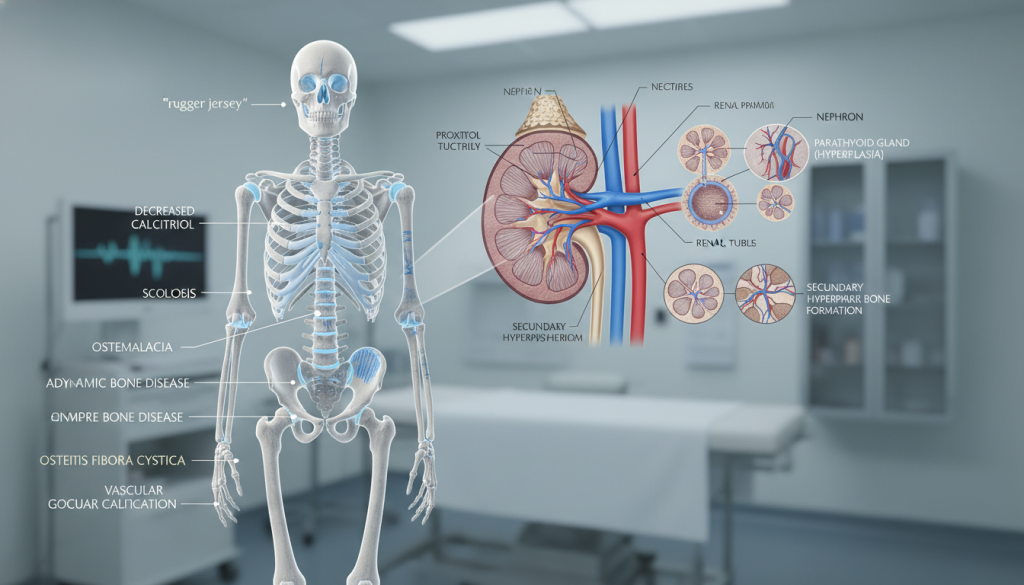
We often look at how different body systems work together when we talk about health. Renal Osteodystrophy is a complex condition that often shows up in people with chronic kidney disease. The kidneys help filter waste and balance minerals. When they decline, it can harm the skeletal system.
Without the right mineral levels, bones can lose strength and structure. Understanding this link is key to good care. Spotting Renal Osteodystrophy early can help protect your bones and keep you comfortable.
Managing chronic kidney disease means taking care of your bones too. Knowing the signs early is the first step to a better life. We’re here to help you navigate these challenges with expert advice.
Key Takeaways
- Renal Osteodystrophy is a bone-related complication linked to kidney function.
- Impaired mineral balance directly impacts the strength of your skeletal system.
- Early detection is essential for effective management and long-term health.
- Comprehensive care focuses on both kidney function and bone density.
- Proactive monitoring helps maintain your mobility and overall well-being.
Understanding the Pathophysiology of Renal Osteodystrophy
When kidney function declines, the body’s mineral balance shifts. This affects bone health. It’s the start of Renal Osteodystrophy, where bones lose strength due to chemical imbalances.
This is a breakdown in the body’s ability to keep bones healthy. It’s about maintaining the right balance for bone turnover.
The core of this bone mineral disorder is a mix of calcium, phosphorus, and hormones. The kidneys usually control these levels. But when they can’t, phosphorus goes up and vitamin D goes down. This creates a dangerous cycle for bones.
This imbalance in minerals is the main cause of the condition. The body can’t handle these minerals right, so it takes calcium from bones. This compensatory mechanism weakens bones and makes them more fragile.
Understanding these processes helps us see why bones struggle to stay strong. To manage this bone mineral disorder, we need to restore balance. We monitor closely to slow down Renal Osteodystrophy and protect bones.
The Clinical Significance of CKD-MBD
Chronic kidney disease often leads to a complex condition called CKD-MBD. This stands for Chronic Kidney Disease–Mineral and Bone Disorder. It changes how we see health in patients with kidney problems.
This bone mineral disorder affects more than bones. It also causes other health issues. This means we need to care for patients in a more complete way.
One big problem with CKD-MBD is its effect on the heart. It can cause minerals to build up in blood vessels and heart valves. This raises the risk of heart problems in patients with kidney disease.
It’s key to watch mineral levels to avoid these health issues. We check calcium, phosphate, and parathyroid hormone levels. This helps protect bones and the heart. Managing CKD-MBD well needs a team effort to care for all health aspects.
Seeing bone mineral disorder as a bigger issue helps us give better care. We’re dedicated to helping patients understand these connections. With early monitoring and tailored treatments, we aim to enhance life quality for those facing these health challenges.
Secondary Hyperparathyroidism and Bone Health
When kidneys fail, the body’s hormonal balance changes. This leads to secondary hyperparathyroidism. It’s a key part of CKD-MBD, where glands try to fix blood imbalances. The body has trouble keeping calcium and phosphorus levels right as kidney function drops.
The parathyroid glands watch blood chemistry closely. If they see low calcium or high phosphate, they make more parathyroid hormone (PTH). This hormone surge tries to fix the imbalance, but it harms the bones a lot.
To fix blood calcium, the glands take calcium from bones. This weakens the bones over time. The hormonal imbalance makes bones brittle and easy to break.
It’s key to understand secondary hyperparathyroidism to protect bones. Early CKD-MBD management can stop severe bone loss. Proactive monitoring of hormone levels helps lower fracture risk and keeps patients moving.
Diagnostic Approaches for Renal Bone Disease
We think accurate diagnosis is key to managing renal bone disease well. We use precise lab tests and detailed clinical checks to understand your bone health fully.
Our main aim is to spot early signs of a mineral and bone disorder to avoid long-term problems. We closely watch serum levels of calcium, phosphorus, and parathyroid hormone. This helps us see how your body handles minerals over time.
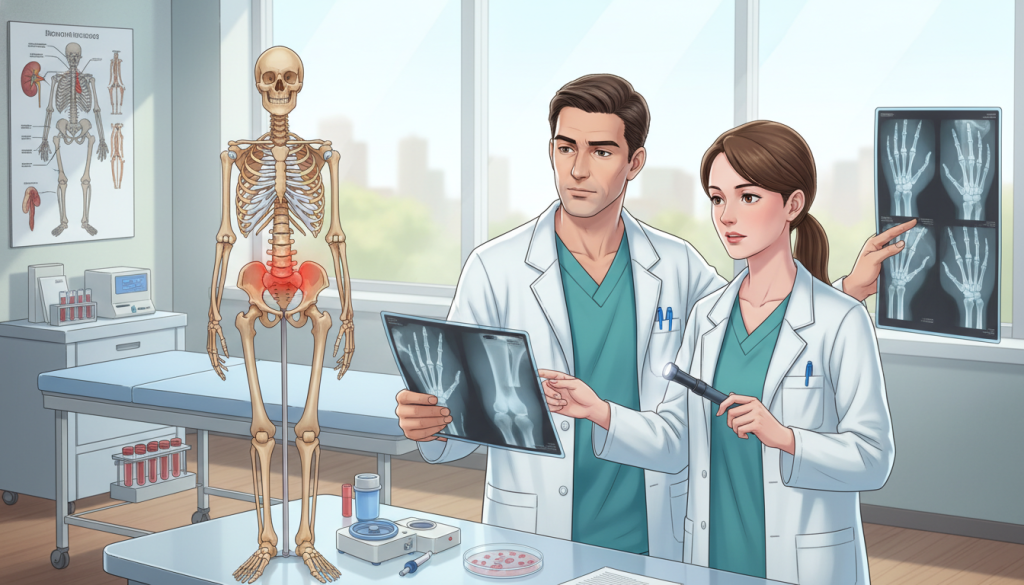
These tests give us a clear picture of your body’s state. By watching these values closely, we can stop a bone mineral disorder from getting worse.
We act early to catch issues before they cause big problems. This team effort lets us make your treatment plan as effective and personalized as it can be.
| Diagnostic Marker | Clinical Purpose | Target Goal |
|---|---|---|
| Serum Calcium | Assess mineral balance | Maintain normal range |
| Serum Phosphorus | Monitor filtration efficiency | Prevent elevation |
| Parathyroid Hormone | Evaluate gland activity | Avoid over-secretion |
Imaging Techniques for Assessing Bone Density
We use advanced imaging to check how kidney function affects your bones. Keeping your bones healthy with kidney disease is a big challenge. We need precise tools to spot early damage. This helps us manage risks from mineral and bone disorder.
The Dual-energy X-ray Absorptiometry (DXA) scan is a key tool for checking bone strength. It measures bone mineral density to predict fracture risk. But, standard tests have big limits for those with chronic kidney disease. They miss the unique changes from hormonal and mineral shifts.
We use special imaging to get a better view. These advanced methods show more than just density. They let us see the bone’s real quality. Spotting changes early is key to avoiding serious problems and improving your life.
The table below shows the differences between standard and special tests for patients:
| Imaging Method | Primary Focus | Clinical Utility |
|---|---|---|
| DXA Scan | Mineral Density | General fracture risk screening |
| High-Resolution CT | Micro-architecture | Detailed structural assessment |
| Bone Biopsy | Cellular Composition | Definitive diagnosis of bone type |
We share this info to make you feel more involved in your care. Knowing about these tools helps you work with our team. Your partnership with us is key to keeping you healthy and mobile for the long term.
Common Symptoms and Physical Manifestations
Knowing how your body signals changes in bone health is key. When kidney function drops, it’s hard to keep minerals like calcium and phosphorus in balance. This imbalance often causes renal bone disease, which can weaken your bones over time.
Early symptoms are often missed. You might feel bone pain, joint discomfort, or muscle weakness. These signs mean your bones might be at risk.
Tell your healthcare team about any new or ongoing aches. Spotting renal osteopathy early helps prevent bone damage. Regular check-ups are key to keeping your bones strong and your life active.
The table below shows signs that mean you should talk to your doctor:
| Symptom Category | Common Manifestation | Clinical Significance |
|---|---|---|
| Skeletal Pain | Deep, aching bone pain | Indicates mineral imbalance |
| Muscular Health | Unexplained weakness | Suggests possible renal bone disease |
| Joint Function | Stiffness and discomfort | Shows systemic metabolic changes |
| Physical Mobility | Difficulty with daily tasks | Signals advanced skeletal stress |
The Impact of Vitamin D Metabolism
The kidneys play a key role in Vitamin D activation, a process that’s often affected in chronic kidney disease. They convert inactive Vitamin D into active calcitriol. This hormone is essential for absorbing calcium from food, which is vital for bone health in kidney disease.
As kidney function drops, making enough active Vitamin D becomes a challenge. Without enough of this hormone, the intestines can’t absorb enough calcium. This leads to the body taking calcium from bones, weakening them over time.
This imbalance is a main cause of CKD osteoporosis. Bones lose density and strength, raising the risk of fractures and pain. It’s vital to catch these changes early to prevent lasting damage.
Checking Vitamin D and parathyroid hormone levels regularly is key. This lets doctors act fast. Giving active Vitamin D can help balance levels and protect bones. Managing these levels helps support bone health in kidney disease and slows CKD osteoporosis progression.
| Metabolic Factor | Healthy Kidney Function | Impaired Kidney Function |
|---|---|---|
| Vitamin D Activation | Efficient conversion to calcitriol | Reduced or absent conversion |
| Calcium Absorption | Optimal intestinal uptake | Low absorption leading to deficiency |
| Bone Mineralization | Strong and stable density | Increased risk of bone loss |
| Parathyroid Hormone | Maintained at normal levels | Often elevated (Hyperparathyroidism) |
Dietary Management and Phosphate Control
Every day, you have the chance to improve your bone health. By controlling phosphorus intake, you can fight mineral and bone disorder. Making smart food choices can greatly help your bones.
Too much phosphorus in your blood can take calcium from your bones. This weakens them over time, leading to CKD osteoporosis. We help patients find hidden phosphorus in foods like additives and preservatives.
Eating well for your kidneys doesn’t mean giving up taste or nutrients. We create meal plans with fresh foods and limit high-phosphate items. This keeps your blood chemistry stable and supports your health.
Below is a guide to help you choose safe foods and avoid high-phosphorus ones. This helps manage mineral and bone disorder and lowers CKD osteoporosis risk.
| Food Category | Limit/Avoid (High Phosphorus) | Choose (Low Phosphorus) |
|---|---|---|
| Dairy Products | Processed cheese, cream cheese | Small portions of almond milk |
| Proteins | Organ meats, processed deli meats | Fresh chicken, white fish |
| Grains | Whole wheat bread, bran cereals | White bread, refined pasta |
| Snacks | Cola drinks, nuts, chocolate | Fresh berries, popcorn (no salt) |
Dietary changes are a powerful tool in your health care. Working with our team, you can create a plan that fits your life and protects your bones. We’re here to help every step of the way.
Pharmacological Interventions for Bone Protection
We use a mix of medications to help when diet and exercise aren’t enough. We focus on personalized treatment plans for each patient. This helps slow down renal bone disease and improve life quality.
Phosphate binders are key in our treatment. They stop phosphorus from being absorbed in the gut. This keeps phosphorus levels healthy and prevents calcium loss from bones.
We also use calcimimetics or vitamin D analogs. Calcimimetics lower parathyroid hormone levels. Vitamin D analogs help with calcium absorption, vital for renal osteopathy treatment.
We choose these treatments carefully to balance the body’s minerals. Our aim is to keep mineral levels right and avoid side effects. We adjust doses as needed to protect bones.
Dealing with renal bone disease needs teamwork between doctors and patients. We explain how these medicines work to support bone health. This approach helps tackle kidney-related bone issues.
Renal Osteodystrophy in Pediatric Populations
When kids get chronic kidney disease, their bones are a big worry. Their bodies are growing, so problems with minerals can hurt more than in adults. We give special care to help these kids grow strong bones, even with their illness.
Renal Osteodystrophy can make kids grow slower or not as tall as they should. If not treated, it can cause lasting bone problems. We aim to start treatment early to help bones grow right and stay strong.
Managing this condition takes a team effort. Doctors, dietitians, and families work together. We watch blood levels of important minerals closely to adjust treatment as needed. This early detection helps avoid serious problems later on.
It can be tough for parents and caregivers to deal with all this. We make sure to give clear, easy-to-understand information. By working together, we help kids grow up healthy and strong, despite Renal Osteodystrophy.
| Focus Area | Clinical Goal | Caregiver Role |
|---|---|---|
| Growth Monitoring | Track height and bone age | Maintain accurate growth charts |
| Mineral Balance | Optimize calcium and phosphate | Ensure adherence to dietary plans |
| Early Intervention | Prevent skeletal deformities | Report symptoms promptly |
Surgical Options for Severe Hyperparathyroidism
When secondary hyperparathyroidism doesn’t get better with medicine, surgery might be needed. If phosphate binders and vitamin D analogs don’t work, the parathyroid glands can keep overproducing hormones. This can cause a lot of bone loss and other health problems.
The main surgery for this is called a parathyroidectomy. Surgeons remove the glands that are making too much hormone. This helps bring hormone levels back to normal. It stops bone damage and keeps your bones healthy for the long term.
People often ask if they need this surgery. We suggest it when medicine can’t control the problem or when symptoms are very bad. We look at your blood, bone health, and medical history to decide if surgery is best.
Recovering from this surgery is usually easy, but it needs careful watching. You’ll likely stay in the hospital for a bit. Our team will keep an eye on your calcium and hormone levels. We are committed to supporting you every step of the way. Surgery is a strong way to fix the hormone problem and help you feel better.
Lifestyle Modifications and Physical Activity
Making gentle physical activity a part of your daily life can greatly improve your bone health in kidney disease. It might seem hard to stay active, but even small movements can make a big difference for your bones.
Low-impact exercises keep your muscles strong and your joints stable without putting too much strain. Being active helps lower the risk of CKD osteoporosis, which is common in people with kidney problems.

Try walking, swimming, or restorative yoga to keep your body moving safely. These activities are highly effective at strengthening bones and are gentle enough for many stages of kidney disease.
Moving more than just helps your bones; it also boosts your emotional well-being. Taking these steps helps you manage CKD osteoporosis better. It makes you feel more in control and supported on your health journey.
Emerging Research and Future Therapies
The way we manage CKD-MBD is changing. We’re finding new ways to treat it. This includes studying how bones and kidneys work together. Our goal is to give our patients the best care possible.
New studies are looking at medicines that target secondary hyperparathyroidism directly. These treatments aim to control hormone levels better and reduce side effects. We think these advances will lead to more tailored care for our patients.
We’re also looking into new diagnostic tools. These tools help us catch bone health issues early. Early treatment is key to managing CKD-MBD well. These tools let us create treatment plans that fit each person’s needs.
The future of bone health in patients with kidney disease looks promising. New research gives us hope for better lives. We’re dedicated to turning these findings into real-world treatments. By tackling secondary hyperparathyroidism in new ways, we help our patients on their path to health.
Conclusion
Keeping your bones strong is key when you have kidney disease. We think taking care of yourself early on can lead to better health in the long run.
You have the power to improve your health by watching your health closely and talking openly with your doctors. Acıbadem Healthcare Group is here to help you stay up-to-date on what you need. We give you the tools to make smart choices about your diet and treatments.
Making small changes to your diet and exercise can make a big difference in your life. We urge you to talk to your doctors about your bone density. Starting your journey to better health begins with these important talks.
We are committed to your health and well-being. We want to hear from you as you work on your wellness. Your feedback helps us improve our support and give you the best advice for your situation.
FAQ
Q: What exactly is Renal Osteodystrophy and how does it develop?
A: Renal Osteodystrophy is a bone health problem caused by kidney issues. It happens when kidneys can’t balance calcium and phosphorus in the blood. As kidney disease gets worse, waste builds up, affecting bones.
At Acıbadem Healthcare Group, we see this as a key part of kidney care. It affects bones and overall life quality.
Q: What is the difference between Renal Osteodystrophy and CKD-MBD?
A: CKD-MBD is a broader term that includes Renal Osteodystrophy. It also covers mineral and hormone imbalances, and soft tissue and heart calcification. Seeing it as a whole helps us treat it better, protecting both heart and bones.
Q: How does secondary hyperparathyroidism impact bone health in kidney disease?
A: Kidney decline makes parathyroid glands work too much. This is called secondary hyperparathyroidism. It leads to too much parathyroid hormone, taking calcium from bones.
This weakens bones, raising fracture risks and worsening bone disease.
Q: What are the common symptoms of renal osteopathy?
A: Symptoms include bone pain, joint discomfort, and muscle weakness. These signs often start slowly and may be missed early on.
We urge patients to report any new aches or mobility issues to their healthcare team. This helps prevent bone damage.
Q: Why is Vitamin D metabolism so important for patients with kidney disease?
A: Kidneys turn Vitamin D into its active form, key for calcium absorption. In kidney disease, this process fails, leading to bone issues. We monitor Vitamin D levels and use active forms to support bone health.
Q: How do you diagnose the various types of renal bone disease?
A: We use blood tests to check calcium, phosphorus, and parathyroid hormone levels. Imaging like DXA scans help us see bone density and changes. These tools help us understand the bone disorder and plan treatment.
Q: What role does phosphate control play in managing this condition?
A: Controlling phosphate intake is key to preventing bone disorder. High phosphate levels can harm bones. We help patients avoid high-phosphate foods and use medicines to keep phosphate levels right.
Q: Can CKD osteoporosis be treated with medication?
A: Yes, we use medicines to manage CKD osteoporosis and balance minerals. These include phosphate binders, calcimimetics, and Vitamin D supplements. We carefully choose treatments to protect bones and restore balance.
Q: When is surgery necessary for secondary hyperparathyroidism?
A: Surgery, like parathyroidectomy, might be needed if medicines can’t control gland activity. This surgery removes glands to stop calcium loss from bones. At Acıbadem Healthcare Group, we consider surgery for severe cases to protect bones.
Q: How does Renal Osteodystrophy affect children differently than adults?
A: In kids, Renal Osteodystrophy can cause growth issues and skeletal deformities. Because children’s bones are developing, early treatment and monitoring are critical. Our pediatric care focuses on mineral support to help kids grow and maintain bone health.
Q: What lifestyle modifications can help preserve bone density?
A: An active lifestyle with low-impact exercises, like walking or resistance training, strengthens bones and muscles. We suggest these activities to support bone health and reduce fracture risks. Safe physical activity is a powerful way for patients to manage CKD osteoporosis.