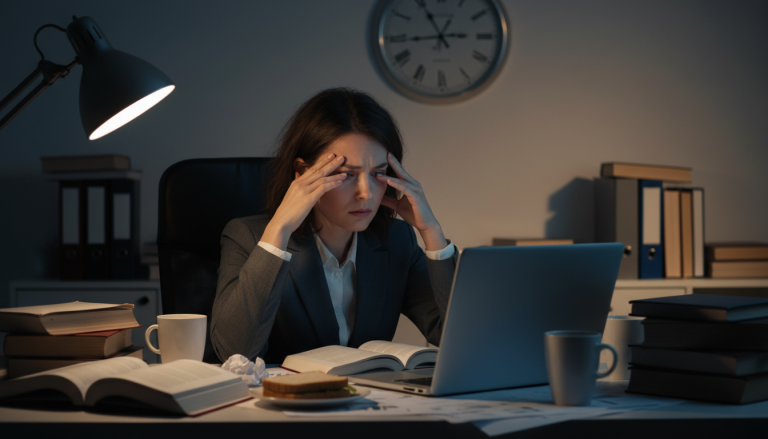


Cheek Cramps: Recognizing Signs and Common Triggers
Cheek cramps are sudden muscle spasms in the cheek area. They can be puzzling and uncomfortable. It’s important to know the signs to manage them better.
These spasms can happen often or rarely, causing pain or discomfort. Stress, fatigue, or dehydration are common reasons. Knowing this helps in finding ways to ease the discomfort.
This guide aims to help you understand and deal with cheek cramps. It’s about finding relief in your daily life.
Understanding Cheek Cramps
Cheek cramps can be a bit unsettling, but knowing what they are can ease worries. Cheek cramps are sudden, involuntary muscle contractions in the cheek area. These spasms are usually short-lived but might point to a health issue. The muscles involved, like the orbicularis oris and masseter, are key for chewing and facial expressions.
What Are Cheek Cramps?
Cheek cramps are sudden and feel tight or crampy in the cheeks. They often hit people who do a lot of facial movements or don’t drink enough water. Sometimes, they happen because of stress or being very tired, making the face tense.
How Cheek Cramps Occur
Cheek cramps are a type of muscle spasm. They can happen from using facial muscles too much, sudden temperature changes, or not drinking enough water. Knowing what causes these spasms can help prevent them. It’s key to find and deal with these triggers to reduce facial muscle cramps.
Cheek Cramps – Signs & Triggers
It’s important to know the signs of cheek cramps to manage them well. Muscle spasms in the face can be noticed by looking for certain patterns and feelings. These spasm

s can make daily tasks hard.
Identifying Symptoms of Cheek Cramps
Cheek cramps show up as sudden, strong feelings of tightness or pain in the cheek. People might say they have:
- Short-lived or lasting twitching in the cheeks.
- Hard time moving their jaw, especially when eating.
- Spasms that last from a few seconds to minutes.
- Spasms that keep coming back, causing ongoing facial discomfort.
Common Triggers of Cheek Cramps
Many things can cause cheek cramps. Knowing what triggers them can help prevent them. Common causes include:
- Stress and anxiety that tighten muscles.
- Too much caffeine or alcohol.
- Bad posture when reading or using devices.
- Jaw clenching or grinding, often due to sleep issues.
When to Seek Medical Attention
Most cheek cramps don’t need treatment, but if they keep happening, see a doctor. You should get medical help if:
- Cheek cramps happen often and affect your daily life.
- You have other facial discomfort that doesn’t go away.
- Spasms spread beyond the cheek or come with other nerve problems.
Prevention and Management of Cheek Cramps
Keeping well-hydrated is key to avoiding cheek cramps. Drinking enough water can lower the chance of getting cramps since not drinking enough is a common cause. Also, managing stress is crucial; using relaxation methods or therapy can help stop muscle spasms that cause pain.
Being mindful of habits like chewing too much or clenching your jaw can also help. Making small changes in your daily life can make a big difference. If you do get cheek cramps, there are ways to feel better right away. Try gentle jaw stretches, warm compresses, or massaging the sore spots to ease the pain.
If cheek cramps keep happening, it’s smart to see a doctor or dentist. They can give you specific ways to handle it and find out why it’s happening. Taking these steps can really improve your life, making it easier to deal with cheek cramps.