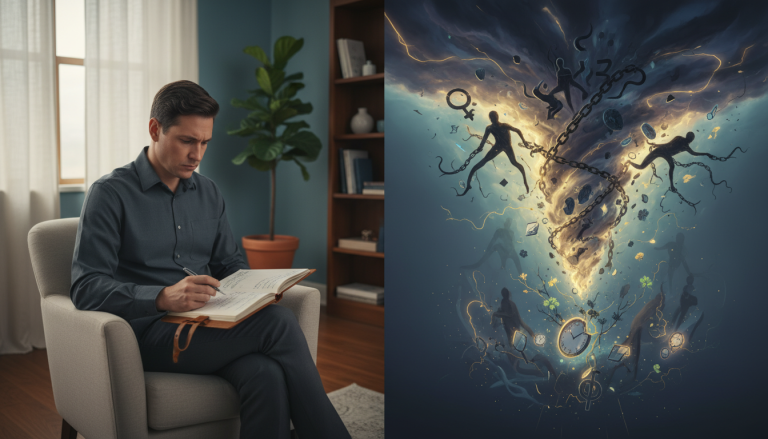







Understanding Closed Head Injury and Its Effects
Understanding Closed Head Injury and Its Effects Closed head injuries occur when the brain is damaged by a blow to the head without skull fractures. They can range from mild to severe, making awareness crucial for brain health.
These injuries can lead to various issues. Immediately afterward, you may experience dizziness, headaches, or nausea. In the long run, you might struggle with clarity of thought, persistent symptoms, or be unable to perform tasks you once did.
Seek immediate medical attention for a closed head injury to reduce damage and improve your recovery prospects.
What defines a closed head injury?
A closed head injury occurs when the skull remains intact, but the brain sustains damage from a blow or impact. These injuries can be severe and often don’t have visible signs, making prompt diagnosis and treatment crucial.
**Definition and Overview**
Doctors explain that a closed head injury occurs when the brain shifts excessively within the skull, causing it to impact the skull walls. This can result in a concussion or more severe brain damage, but importantly, the skull itself remains intact.
Comparison with Open Head Injuries
Open head injuries occur when an object penetrates the skull and reaches the brain. While both types can lead to serious brain damage, they require different treatment approaches.
| Feature | Closed Head Injury | Open Head Injury |
|---|---|---|
| Skull Integrity | Intact | Penetrated |
| Visible External Damage | Usually Absent | Usually Present |
| Common Causes | Falls, Automobile Accidents, Sports Injuries | Gunshot Wounds, Stab Wounds |
| Risk of Infection | Low | High |
| Treatment Approach | Conservative Management, Rehabilitation | Surgical Intervention, Intensive Care |
Typical Causes of Closed Head Injuries
Closed head injuries can occur unexpectedly in daily life for various reasons. Understanding their causes is key to prevention and effective treatment. Here are the primary factors.
Car Accidents
Car accidents are a leading cause of traumatic brain injuries. Even minor collisions can result in serious issues like concussions, as rapid impacts or sudden stops can damage the brain significantly.
Sports Injuries
Sports and games are major contributors to head injuries, especially in activities like football, boxing, and hockey. According to the Brain Injury Association of America, many injuries occur during sports, highlighting the importance of safety measures while playing.
‘Common Falls and Household Accidents’
Falls pose a significant risk, particularly for children and seniors at home. They can result in brain injuries from slips on wet surfaces or poor vision. It’s important to prevent these hazards to protect our brains.
Signs of Closed Head Injuries
Closed head injuries range from mild to severe. Typical concussion symptoms include headaches, dizziness, and confusion. In severe cases, individuals may lose consciousness for extended periods or experience memory loss, indicating significant brain injury.
According to Mayo Clinic, additional symptoms may include nausea, extreme fatigue, and altered sleep patterns. Individuals might also experience memory or concentration issues, mood changes, and heightened sensitivity to light or noise.
Here are the key symptoms of closed head injuries:
- Head pain
- Brief uncertainty
- Lightheadedness
- Feeling sick
- Exhaustion
- Alterations in sleep routines
- Indicators of brain injury
- Prolonged unconscious state
- Memory Loss
- Memory impairment
- Trouble focusing
- Emotional fluctuations
- Heightened sensitivity to light and noise
Recognizing these symptoms allows individuals and healthcare professionals to manage closed head injuries more effectively.
Medical Evaluation and Diagnosis
Accurate diagnosis and thorough medical evaluation are essential for effectively treating closed head injuries. This process begins with an initial assessment, followed by imaging scans, and concludes with comprehensive brain examinations.
Initial Assessment
Doctors initially assess a patient’s consciousness, vital signs, and overall responsiveness if a head injury is suspected. They frequently use the Glasgow Coma Scale to evaluate the injury’s severity, examining eye

responses, speech, and motor activity to determine how serious the brain damage is.
Imaging Examinations
Imaging tests are crucial for detecting closed head injuries. Typically, a CT scan is performed first, as recommended by the American College of Radiology, because it quickly reveals fractures, bleeding, and major issues. An MRI may also be used for more detailed images, helping to identify subtle brain changes.
Neurological Evaluation
To assess brain injury, doctors conduct neurological exams, including neuropsychological tests that evaluate thinking skills. The American Academy of Neurology considers these assessments essential for planning rehab and monitoring recovery.
| Assessment Type | Purpose | Methods |
|---|---|---|
| Initial Examination | Evaluate physical condition and consciousness | Glasgow Coma Scale |
| Imaging Tests | Detect internal brain injuries | CT scan , MRI |
| Neurological Assessments | Evaluate cognitive function | Neuropsychological evaluations |
Immediate Impact on Brain Function
Closed head injuries can significantly impact the brain temporarily, requiring careful monitoring and management due to their potential severity.
Cognitive Difficulties
One major impact is cognitive decline, with patients frequently experiencing short-term memory loss and difficulty recalling recent events. They also struggle with concentration, making it hard to stay focused.
Tasks requiring quick thinking become more challenging, impacting daily activities and decision-making.
Physical Symptoms
Physical symptoms are significant, including headaches, dizziness, nausea, and motor impairments that affect movement and balance.
These problems complicate daily life and raise the likelihood of accidents and injuries.
Emotional and Behavioral Shifts
Emotional and behavioral changes are common, with increased irritability leading to conflicts and stress at home and work. Depression and anxiety may also develop, further impacting mood and overall well-being.
According to the National Institute of Mental Health (NIMH), recognizing and addressing these effects early is crucial. Monitoring and providing support can prevent symptoms from worsening and aid in the patient’s recovery.
Long-Term Consequences of Closed Head Injuries
Closed head injuries can significantly impact a person’s life, potentially causing serious conditions like chronic traumatic encephalopathy (CTE) and Alzheimer’s disease, as highlighted by research from the National Institute on Aging (NIA).
These injuries can impair brain function, leading to lasting disabilities, and may alter your behavior and daily activities, impacting both your work and personal life.
Prolonged effects may lead to mental and emotional problems, such as mood swings, anxiety, or depression, which can make daily activities more challenging.
Closed head injuries can cause lasting effects, so early intervention and ongoing support are essential for recovery.
Treatment Methods and Rehabilitation Strategies
Prompt response is crucial in cases of closed head injuries. Immediate stabilization and reduction of intracranial pressure greatly improve the chances of recovery.
Emergency Medical Services
First, doctors check that the patient can breathe, has a heartbeat, and normal brain pressure. They administer medications to relieve pain, reduce swelling, and prevent seizures. Prompt intervention improves recovery chances and enhances the effectiveness of other treatments.